Wagamama India Expansion: Strategic Growth Powers 100 Restaurant Vision
Wagamama India expansion accelerates through joint venture with Charcoal Concepts. The Restaurant Group plans 100 restaurants across India. Inside the strategy.
 RUKAIYA KADIWAL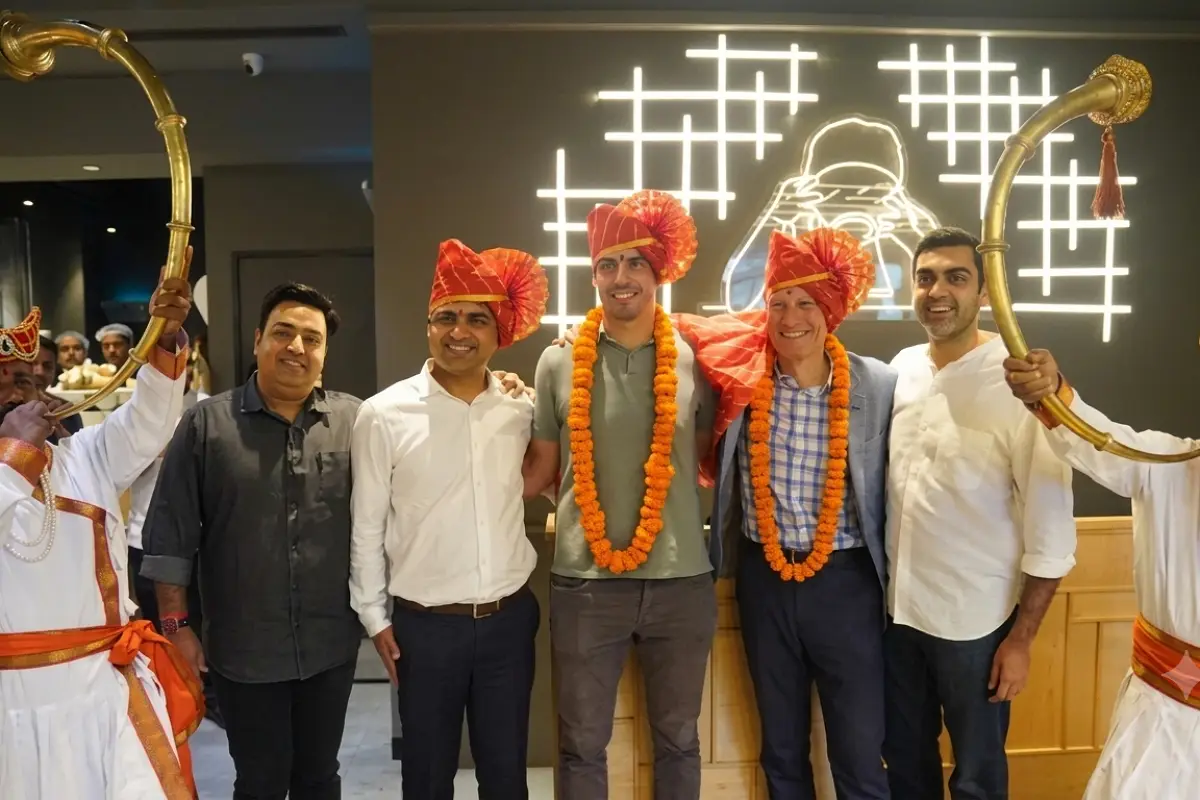
In a Mumbai restaurant where incense smoke mingles with the aroma of grilled noodles, Karan Kapur stands beside Andy Hornby wearing marigold garlands around their necks. The photograph captures a moment of convergence: Eastern tradition meeting Western ambition, local hospitality merging with international scale. Behind them, the fourth Wagamama restaurant in India has opened. Before them stretches a vision of one hundred locations across the subcontinent. This is how Wagamama India expansion begins, not with projections and spreadsheets, but with celebration and commitment between partners who have chosen to build something together.
Understanding Wagamama India Expansion Through Strategic Partnership
The Restaurant Group announced a multi-million-pound joint venture with Charcoal Concepts in August 2026. This partnership represents a turning point in how global restaurant brands approach emerging markets. Wagamama, the Asian noodle house born in London decades ago, is betting its Indian future on local expertise combined with international operational discipline.
Charcoal Concepts, owned by K Hospitality Corp, operates as a multi-brand platform building and scaling restaurant concepts across India. Its portfolio includes heritage Indian brands such as Copper Chimney and Bombay Brasserie, alongside global concepts including Wagamama itself. The company understands Indian consumer behavior, local supply chains, regulatory landscapes, and real estate dynamics in ways that London based executives cannot fully grasp.
How Wagamama India Expansion Emerged From Success
Wagamama's first Indian restaurant opened in Churchgate, Mumbai, one year before this joint venture announcement. The reception exceeded expectations. Local consumers embraced the brand's vibrant atmosphere, distinctive noodle dishes, and casual dining approach. The success signaled market readiness for premium Asian cuisine at accessible price points.
Four restaurants now operate across India. Each location has developed loyal customer bases. Each generates strong unit economics. Each demonstrates that the Wagamama concept translates effectively to Indian markets when executed with cultural sensitivity and operational excellence.
The Vision Driving Wagamama India Expansion Strategy
Andy Hornby, chief executive of The Restaurant Group, articulated the strategic rationale clearly. India represents an important target market for international expansion. The subcontinent offers enormous population size, growing middle class affluence, and increasing appetite for dining experiences beyond traditional cuisine. Wagamama's established brand presence provides the foundation for accelerated growth.
Hornby noted that introducing Wagamama's world famous flavours, vibrant atmosphere, and distinctive dining experience to Indian guests creates opportunity aligned with long term growth objectives. The joint venture marks the beginning of systematic expansion rather than experimental testing.
Charcoal Concepts Perspective on Wagamama India Expansion
Karan Kapur, executive director at K Hospitality, expressed enthusiasm grounded in market insight. The response to Wagamama since its India debut exceeded all expectations. This reaction reaffirmed growing appetite for great global concepts with strong local relevance among Indian consumers.
Kapur emphasized that the partnership enables expansion of Wagamama's presence while building the brand into a market leader in Asian cuisine across India. This positioning distinguishes Wagamama from competitors by combining Japanese culinary traditions with modern service standards and accessible pricing strategies.
Market Dynamics Supporting Wagamama India Expansion
India's casual dining sector has expanded dramatically over the past decade. Urban consumers increasingly seek dining experiences beyond traditional cuisines. Premium international brands have established successful operations in major metropolitan areas. Wagamama enters this market with established brand recognition and proven operational models.
The ten year timeline for opening one hundred restaurants reflects realistic growth pacing. This pace allows for market testing, operational refinement, and capital deployment across multiple locations simultaneously. Rapid expansion risks quality degradation and brand dilution. Measured acceleration enables sustainable growth.
Operational Considerations for Wagamama India Expansion Execution
Expanding restaurant chains across India requires navigating complex regulatory frameworks. Supply chain sourcing differs substantially from European operations. Labor practices must reflect local employment norms. Real estate acquisition involves state level regulations and property ownership complexities. Charcoal Concepts possesses expertise in all these operational dimensions.
The partnership structure acknowledges these realities. The Restaurant Group contributes brand equity, operational systems, menu development capabilities, and international management experience. K Hospitality contributes local market knowledge, regulatory navigation, real estate sourcing, and established relationships across India's hospitality ecosystem.
How Wagamama India Expansion Reflects Broader Industry Trends
Global restaurant brands increasingly pursue international growth through local partnerships rather than wholly owned subsidiaries. Joint ventures enable faster market entry, reduced capital risk, and access to local expertise that standalone operations cannot replicate. Similar partnership models reshape hospitality markets globally, creating shared ownership structures that align incentives across partners.
This trend reflects recognition that international expansion requires more than operational excellence. Cultural adaptation, regulatory sophistication, and local market intimacy determine success in unfamiliar territories. Partnerships balance global standards with local customization.
The Consumer Experience Driving Wagamama India Expansion
In Mumbai restaurants, Wagamama's dining environment conveys consistent identity across locations. Open kitchen design allows diners to observe noodle preparation. Communal seating encourages social atmosphere. Menu offerings balance signature dishes with local variations. Service style remains efficient yet attentive, reflecting Asian hospitality traditions adapted for contemporary casual dining.
Indian consumers have responded positively to this experience formula. The brand appeals to young professionals, families seeking quality casual dining, and travelers seeking reliable international cuisine. Pricing positions Wagamama as premium casual rather than fine dining, creating accessibility for middle class consumers while maintaining brand perception.
Expansion Implications for Staff Culture and Training
Expanding across India requires developing robust training infrastructure. Restaurant staff must understand Wagamama's operational standards while working within Indian labor practices and consumer service expectations. Management positions demand individuals who balance corporate standards with local adaptation.
The joint venture enables knowledge transfer in both directions. Wagamama contributes systems for staff development, quality control, and operational consistency. K Hospitality contributes understanding of local hiring practices, employee retention strategies, and cultural factors that influence staff performance.
Financial Implications of Wagamama India Expansion
The multi-million-pound investment reflects confidence in India's market potential and the partnership's ability to execute expansion plans. Restaurant development costs, working capital requirements, and marketing investment across one hundred locations represent substantial financial commitment. The ten year timeline distributes this capital deployment across multiple fiscal years.
Unit economics in India differ from European operations. Labor costs remain lower. Real estate expenses vary significantly by location. Consumer spending patterns influence pricing strategies. The partnership structure enables both parties to share financial risk while benefiting from successful expansion.
Competitive Positioning Through Wagamama India Expansion
Asian casual dining represents a growing segment in India's restaurant market. Existing competitors include both international chains and local Indian restaurants adapting Asian culinary traditions. Wagamama's differentiation rests on consistent brand experience, Japanese culinary authenticity, and modern service standards.
The joint venture accelerates market share capture before competitors establish similarly distributed networks. First mover advantage in casual Asian dining across major Indian cities creates barriers to entry for subsequent entrants.
Looking Forward: The Meaning of Wagamama India Expansion
The joint venture announcement represents more than business strategy. It demonstrates how contemporary hospitality operates in globalized markets. Wagamama brings decades of operational experience, brand recognition built across multiple continents, and systematic approaches to menu development and restaurant management. K Hospitality brings intimate knowledge of Indian consumer preferences, regulatory frameworks that govern restaurant operations, real estate markets in tier one cities, and relationships with suppliers and landlords.
Together they are attempting something that requires balancing seemingly contradictory objectives. Maintaining brand consistency across one hundred new locations while adapting to local preferences. Scaling rapidly while preserving quality standards. Operating profitably in India's competitive restaurant market while investing in brand development. Serving existing customers well while marketing to new demographics.
In that Mumbai photograph, Kapur and Hornby stand together wearing marigold garlands. The image captures celebration but also commitment. Both executives understand that transforming a vision of one hundred restaurants into operational reality requires sustained effort across years. Market conditions will shift. Consumer preferences will evolve. Regulatory environments will change. Competitors will respond. Through all these dynamics, the partnership must maintain strategic focus while adapting tactical execution.
The four restaurants operating today serve as both foundation and template. Each location generates data about customer preferences, operational challenges, staff development needs, and supply chain requirements. This accumulated knowledge enables the next phase of expansion. The hundred restaurants envisioned across India's major cities represent not just business growth but cultural convergence. Japanese noodle traditions will be served in Mumbai. Bengali families will celebrate anniversaries at Wagamama locations in Kolkata. South Indian consumers will discover Asian cuisine in Bangalore restaurants. Each location becomes a small point of cultural exchange, where global brands adapt to local contexts while local markets embrace international experiences. That convergence, more than any financial projection or market analysis, explains why Wagamama and K Hospitality have chosen to build this future together.