Taj Exotica Goa Becomes India’s First Hotel to Deploy BESS with Tata Power
Taj Exotica Resort & Spa, Goa partners with Tata Power to deploy India’s first hotel-based BESS, cutting diesel use and advancing clean luxury.
 Munni Khatun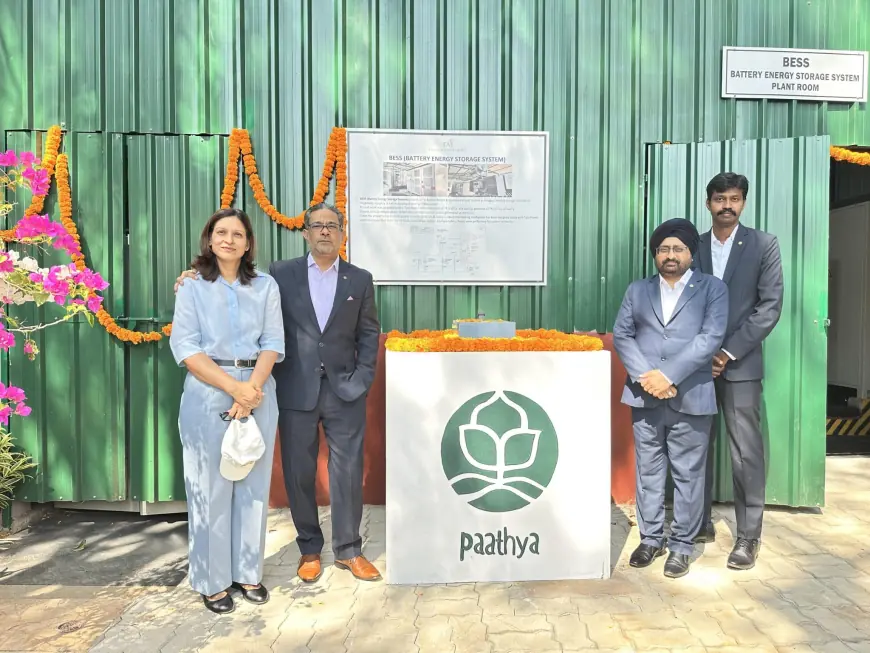
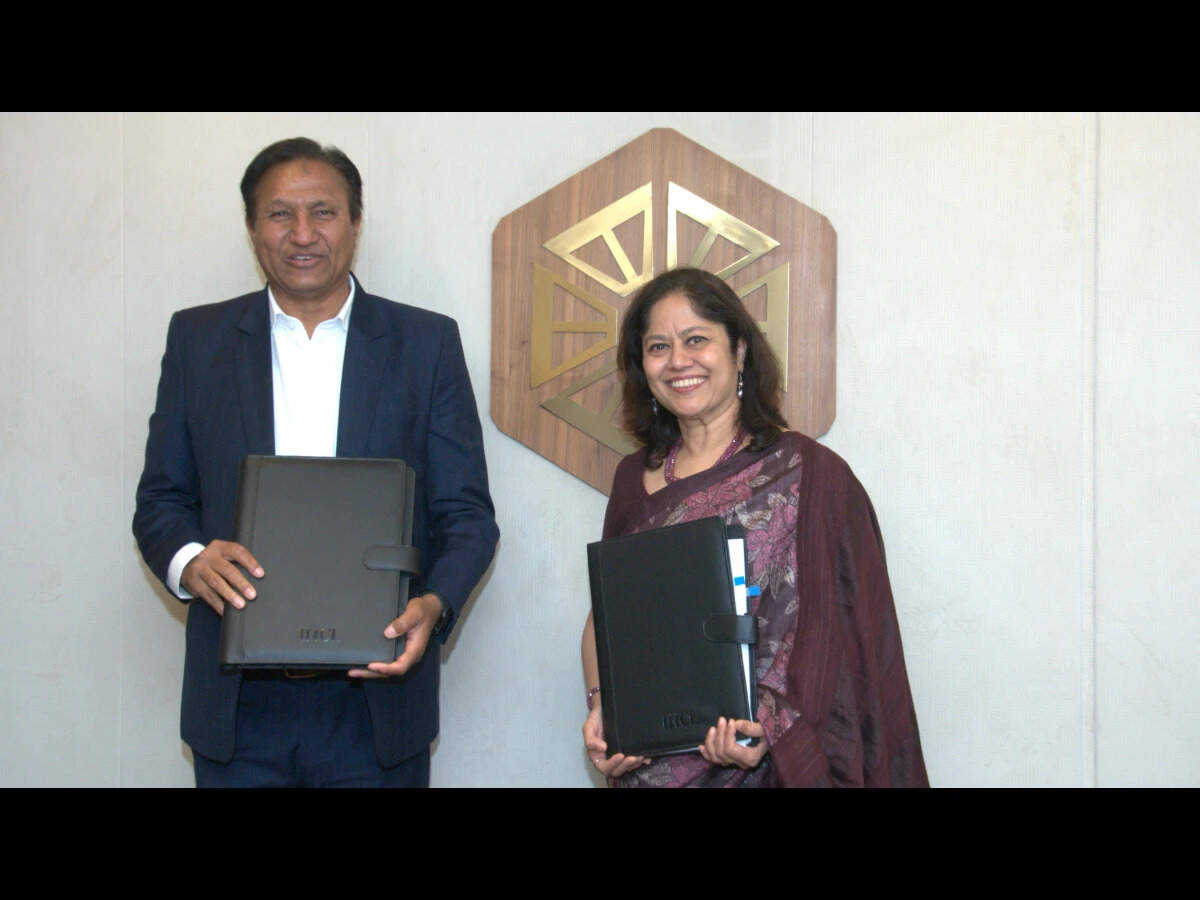
Taj Exotica Resort & Spa, Goa has set a new benchmark for sustainable luxury hospitality in India by becoming the country’s first hotel to deploy an advanced Battery Energy Storage System (BESS), in partnership with Tata Power.
The initiative marks Tata Power’s first project within the hospitality sector and represents a significant milestone in Indian Hotels Company Limited’s (IHCL) long-term decarbonisation strategy under Paathya, aligned with the Tata Group’s Aalingana sustainability vision.
With an approximate storage capacity of 2 MW, the BESS installation positions Taj Exotica Goa at the forefront of energy innovation in luxury hospitality, enabling greater power reliability while significantly reducing dependence on diesel-based generation.
Executed by Tata Power following detailed technical feasibility assessments, the project involved an investment of approximately ₹3.50 crore and is projected to deliver annual savings of around ₹1.50 crore. The system is expected to substantially lower operational costs while improving energy resilience during peak demand and grid fluctuations.
Beyond financial impact, the environmental gains are substantial. The BESS implementation is estimated to reduce diesel consumption by nearly 2 lakh litres annually, resulting in a meaningful reduction in carbon emissions, air pollution, and generator runtime across the resort.
The project required advanced engineering solutions to integrate multiple power sources, including grid supply, diesel generators, and on-site solar. Tata Power developed a sophisticated interlocking and protection system featuring automated source prioritisation, backfeed prevention, overload protection, real-time monitoring, thermal and surge safeguards, emergency shut-off mechanisms, and manual override controls.
Extensive safety simulations and load-bank testing were conducted to ensure seamless system performance without compromising guest comfort or electrical stability. Physical installation was completed in mid-November 2025, followed by full-load testing that demonstrated stable discharge behaviour and precise changeover operations.
The system is supported by a digital dashboard providing real-time insights into energy flow, charging status, battery health diagnostics, predictive maintenance alerts, and historical performance analytics. These capabilities allow engineering teams to optimise consumption patterns and proactively manage energy effi