New Technology Could Turn CO₂ Emissions Into Jet Fuel, Advancing Sustainable Aviation
Innovative carbon‑to‑fuel technologies are being developed that convert captured CO₂ and renewable energy into sustainable aviation fuel (SAF), offering a low‑carbon alternative to conventional jet fuel.
 Jishan Khan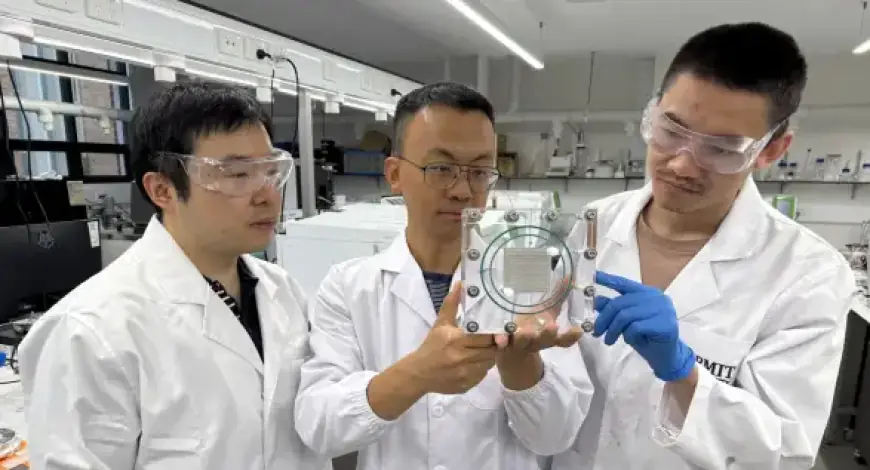

Innovative new technologies are emerging that can convert captured carbon dioxide (CO₂) emissions directly into sustainable aviation fuel (SAF), a development that could significantly reduce the aviation industry’s carbon footprint.
One promising approach uses an **electrochemical Power‑to‑Liquid (PtL) process** that combines captured CO₂, water and renewable electricity to produce a “drop‑in” jet fuel that is chemically identical to conventional jet fuel but with far lower lifecycle greenhouse gas emissions — potentially up to 90 % less over its full lifecycle.
These technologies work by capturing CO₂ from industrial emissions or even directly from the atmosphere and then using renewable power to drive chemical reactions that build up carbon chains equivalent to those in kerosene‑type fuels. Once fully refined, the resulting SAF can be blended with or replace traditional jet fuel with no modifications required to existing aircraft or refuelling infrastructure.
Major research and commercial efforts are underway worldwide to scale these solutions. For example, projects combining **carbon recycling and alcohol‑to‑jet (AtJ) technology** are being tested to transform waste carbon streams into sustainable fuels using renewable power and fermentation processes, creating pathways for large‑scale SAF production.
Such innovations offer a potentially transformative route to decarbonise aviation — a sector that has historically been difficult to electrify due to the high energy density demands of jet fuel. While conventional SAF production (e.g., from bio‑based feedstocks) is already underway with plans for increased blending mandates, CO₂‑to‑fuel technologies could expand the industry’s ability to reduce net emissions by turning a greenhouse gas into the very fuel that powers aircraft.
Industry analysts note that widespread deployment of carbon‑to‑fuel systems could help aviation meet long‑term climate targets, including net‑zero goals by 2050, but scaling remains a challenge. This requires not only technological maturity but also investments in renewable energy, carbon capture infrastructure and regulatory frameworks that support SAF incentives and market uptake.