Handling Pressure Conversations Simple Training for Front Office
Learn handling pressure conversations with SOP, guest communication steps, and service standards to manage high-stress interactions professionally.
 Shah Vaibhavi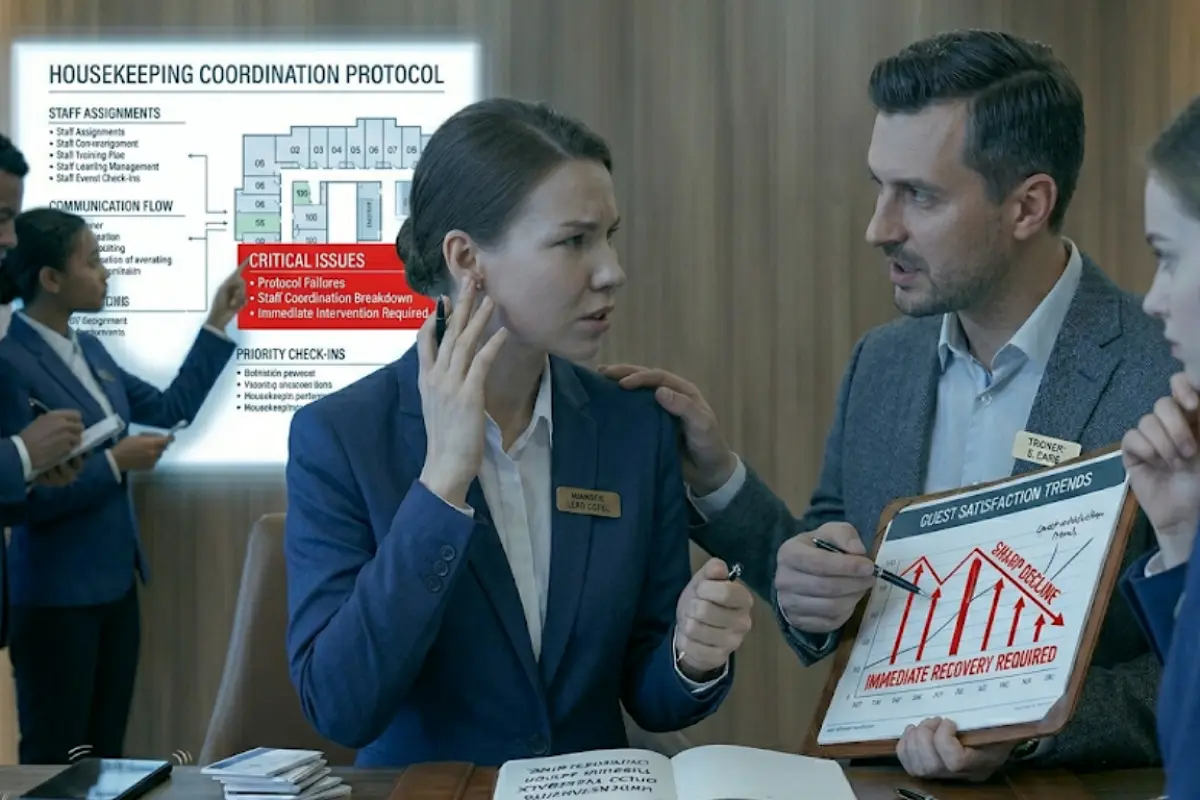
handling pressure conversations: the reality at the desk is this, pressure doesn’t wait. It hits during peak check-in, overbookings, and when three guests are talking at once. Your job? Stay steady and take control fast.
Overview of Handling Pressure Conversations in Front Office
handling pressure conversations is where most front desk mistakes happen.
Guests are tired, impatient, sometimes upset. And if you lose control of your tone or message, the situation escalates in seconds.
You’re not just handling pressure conversations, you’re managing the moment.
-
Delays
-
Billing issues
-
Overbookings
-
Service gaps
All land at your desk first.
Handle it right, and you calm the lobby flow. Handle it wrong, and the whole shift feels it.
Pro-tip: Guests don’t expect perfection, they expect control.
SOP Procedure for Handling Pressure Conversations
Step 1: Immediate Acknowledgment
Respond within 3 seconds. Show you’re present and in charge.
Step 2: Stay Composed
Neutral face. Steady voice. No visible stress.
Step 3: Listen Actively
Let them speak. Don’t cut in.
Step 4: Acknowledge the Issue
“I understand your concern.” Keep it simple and real.
Step 5: Clarify the Problem
Ask direct questions. Get to the exact issue fast.
Step 6: Prioritize the Situation
Is it urgent or just loud? Treat accordingly.
Step 7: Provide Clear Response
No long explanations. Give a straight answer.
Step 8: Offer Alternatives
If you can’t deliver the request, shift to options.
Step 9: Escalate When Necessary
Know when to bring in the supervisor or duty manager.
Step 10: Follow-Up
Don’t disappear after solving. Confirm it’s done.
Front Desk Workflow During High-Pressure Situations
Peak Check-in / Check-out Hours
Keep the line moving. Acknowledge waiting guests while solving issues.
Overbooking or Room Delays
Say it clearly. Then offer upgrades, waiting space, or alternatives.
Complaint Handling
Handle fast. Don’t let one issue block the desk.
Telephone Pressure
Multiple calls? Prioritize. Keep answers short and clear.
Interdepartmental Coordination
Quick, clean hand-offs to housekeeping, maintenance, F&B.
Task Prioritization
Urgent first. Routine later.
Shift Handover
Log every pending issue. No surprises for the next shift.
Pro-tip: Pressure isn’t about speed, it’s about control.
Guest Interaction Process Under Pressure
Step 1: Maintain Calm Presence
Your body language sets the tone.
Step 2: Listen Fully
Let them vent. It reduces tension.
Step 3: Show Empathy
Acknowledge feelings, but don’t agree to wrong claims.
Step 4: Avoid Arguments
Never challenge. Redirect.
Step 5: Speak Clearly
Short sentences. No confusion.
Step 6: Provide Solutions
Offer what’s possible, nothing more.
Step 7: Control Conversation Flow
Guide it. Don’t let it drift.
Step 8: Reassure the Guest
Let them know it’s being handled.
Step 9: Confirm Agreement
Make sure they accept the solution.
Step 10: Close Professionally
Thank them. Stay composed till the end.
Tools and Systems Supporting Pressure Handling
-
Property Management System (PMS): Real-time room and guest data
-
Task Management Systems: Track urgent requests
-
Internal Communication Tools: Fast coordination
-
Incident Reporting Systems: Log pressure cases
-
Queue Management Systems: Control lobby flow
-
Standard SOP Manuals: Your decision backup
Use the system. It keeps your answers sharp.
Service Standards and Performance Metrics
-
Response Time: Within 3 seconds
-
Resolution Time: 10–15 minutes for standard issues
-
Voice Control: Always calm and steady
-
Escalation Time: Immediate when required
-
Guest Satisfaction: Positive post-resolution
-
Error Rate: Minimal, even under pressure
-
Queue Handling: Max 3-minute wait during peak
If your tone breaks, service breaks.
Evaluation and Training Assessment
-
Supervisor Observation: Watch real pressure handling
-
Role Play Training: Practice tough scenarios
-
Guest Feedback Analysis: Check how situations felt to guests
-
Mystery Audits: Live pressure testing
-
Incident Review: Learn from past cases
-
Performance Reviews: Focus on control + clarity
-
Continuous Training: Build stress handling habits
In conclusion
Pressure is part of the desk it’s not going away. The difference is how you handle it.
Stay calm. Speak clearly. Take control early.
That’s how you protect the guest experience and your shift.
Also read: Learn assertive communication training for front office receptionis