Industry Level Group Reservation Handling: Front Office Training Guide
industry level group reservation handling with SOP, booking workflow, coordination steps, and service standards in front office hotel operations.
 Shah Vaibhavi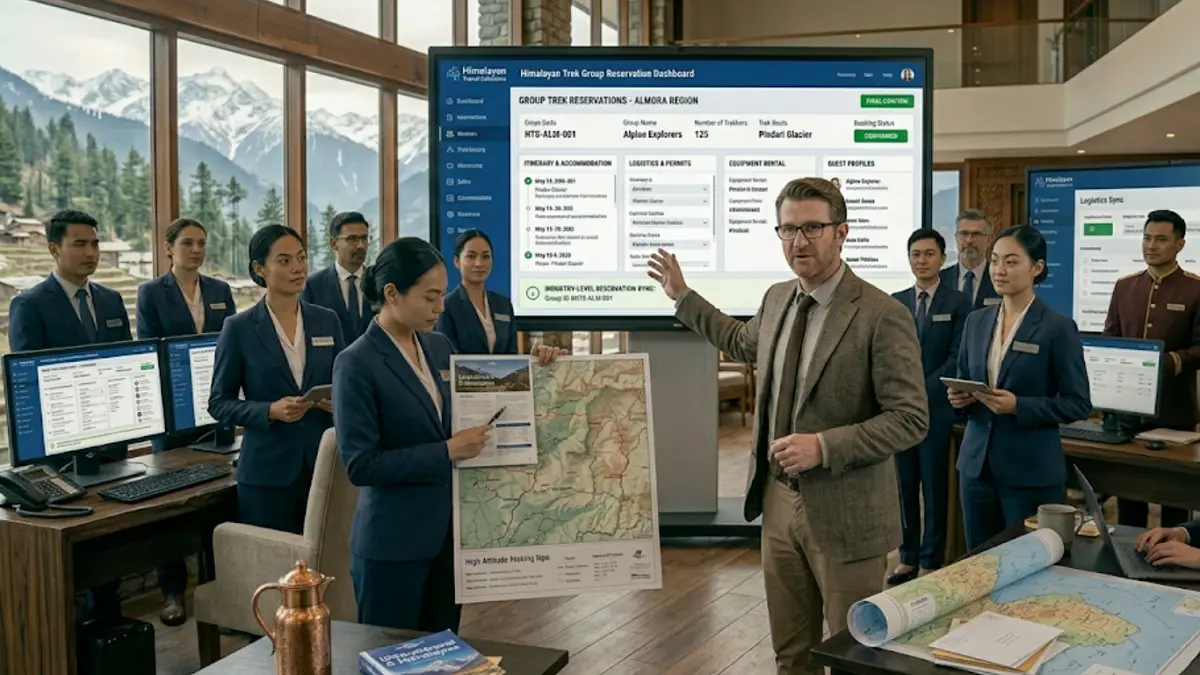
industry level group reservation handling training module on industry level group reservation handling is designed to equip front office professionals with structured SOP, coordination workflow, and operational control required for managing bulk bookings. In front office operations, group reservations are critical for revenue generation, occupancy planning, and ensuring seamless guest arrivals at scale.
Overview of Industry Level Group Reservation Handling
Industry level group reservation handling refers to the systematic process of managing multiple room bookings under a single group, corporate account, or event. These bookings typically include conferences, weddings, tours, airline crews, and corporate stays, requiring detailed planning and coordination.
Unlike individual reservations, group bookings involve complex requirements such as room blocking, rate agreements, billing instructions, arrival coordination, and customized services. Errors in handling group reservations can lead to operational disruptions, guest dissatisfaction, and revenue loss.
Front office plays a central role in executing group reservations by coordinating with sales, housekeeping, accounts, and banquet teams. A structured approach ensures accurate booking management, smooth check-in processes, and consistent service delivery.
Effective group reservation handling improves operational efficiency, enhances guest experience, and supports hotel revenue strategies through bulk occupancy management.
SOP Procedure for Group Reservation Handling
The industry level group reservation handling SOP ensures consistency and accuracy in managing group bookings:
Step 1: Booking Confirmation from Sales
Receive group booking details from sales or reservations team including number of rooms, dates, rates, and special requirements.
Step 2: Group Profile Creation
Create a master group profile in the Property Management System (PMS) with complete details.
Step 3: Room Block Allocation
Block required number of rooms based on availability and category.
Step 4: Rate and Package Setup
Apply agreed rates, inclusions (meals, transfers), and billing instructions.
Step 5: Rooming List Collection
Obtain detailed guest list (names, sharing details, arrival times) before arrival date.
Step 6: Data Entry in PMS
Update individual reservations under the group with accurate guest details.
Step 7: Payment and Billing Setup
Define billing method (company billing, individual payment, split billing).
Step 8: Pre-Arrival Coordination
Share arrival details with housekeeping, front desk, and other departments.
Step 9: Key Preparation
Prepare room keys and welcome kits in advance for quick check-in.
Step 10: Final Reconfirmation
Confirm arrival details and last-minute changes with group coordinator.
This SOP ensures smooth handling of group bookings with minimal errors.
Front Office Workflow and Operational Steps
Industry level group reservation handling requires a structured workflow for efficient execution:
Pre-Arrival Planning:
Review group details, arrival schedules, and special requests 24–48 hours prior.
Room Readiness Coordination:
Ensure all blocked rooms are cleaned, inspected, and ready before arrival.
Arrival Scheduling:
Plan staggered check-in if large groups arrive simultaneously.
Group Check-in Desk Setup:
Allocate dedicated counters or staff for group handling.
Key Distribution Planning:
Arrange keys in envelopes labeled with guest names or room numbers.
Interdepartmental Coordination:
Housekeeping: Prepare rooms and manage last-minute changes.
Bell Desk: Handle luggage movement efficiently.
Food & Beverage: Arrange group meals and timings.
Accounts: Monitor billing instructions and payments.
Banquets: Coordinate event-related requirements.
Departure Planning:
Prepare group check-out strategy to avoid congestion and delays.
Efficient workflow ensures smooth operations and reduces guest waiting time.
Guest Interaction Process in Group Reservations
Industry level group reservation handling requires professional and organized guest interaction:
- Group Welcome: Greet the group warmly and direct them to designated check-in area.
- Efficient Check-in: Use pre-prepared rooming lists and keys to speed up process.
- Clear Communication: Inform guests about room allocation, meal timings, and event schedules.
- Coordination with Group Leader: Communicate primarily with group coordinator for smooth handling.
- Handling Special Requests: Address room preferences, extra beds, or accessibility needs.
- Managing Waiting Time: Offer seating or refreshments if delays occur.
During Stay Interaction:
Group Requests: Handle bulk service requests efficiently.
Complaint Handling: Resolve issues quickly to avoid escalation within group.
Information Support: Provide guidance for events, transport, and facilities.
Departure Interaction:
Ensure smooth check-out and thank guests for their stay.
Effective interaction ensures group satisfaction and enhances overall experience.
Tools and Systems Used in Group Reservation Handling
Industry level group reservation handling relies on multiple systems for accuracy and coordination:
Property Management System (PMS): Manages group profiles, room blocks, and guest details.
Group Booking Module: Handles bulk reservations and rooming lists.
Customer Relationship Management (CRM): Stores group history and preferences.
Sales & Catering System: Manages event details and group contracts.
Communication Tools: Facilitate coordination between departments.
Key Card Systems: Enable bulk key encoding for group arrivals.
Proper system usage ensures real-time updates, reduces errors, and improves operational efficiency.
Service Standards and Performance Metrics
Industry level group reservation handling is measured through defined benchmarks:
Group Check-in Time: 1–2 minutes per guest using pre-registration.
Room Readiness: 100% rooms ready before arrival time.
Data Accuracy: Zero errors in rooming list and billing setup.
Response Time: Group requests handled within 10–15 minutes.
Coordination Efficiency: Seamless communication across departments.
Guest Satisfaction: Positive feedback from group leader and members.
Maintaining these standards ensures efficient operations and high service quality.
Evaluation and Training Assessment
Regular evaluation ensures effective implementation of industry level group reservation handling:
Role Play Exercises: Simulate group check-in and coordination scenarios.
Supervisor Monitoring: Observe staff during live group arrivals.
System Audits: Verify accuracy of PMS entries and billing details.
Guest Feedback Analysis: Review group feedback and identify gaps.
Performance Reviews: Assess coordination, speed, and accuracy.
Post-Event Review: Conduct internal review after group departure for improvements.
Training should focus on coordination skills, system handling, and time management. Continuous monitoring ensures staff manage group reservations efficiently and professionally.
In conclusion, industry level group reservation handling is a complex yet essential function in front office operations. A structured SOP, efficient workflow, and coordinated guest handling ensure smooth group arrivals, optimized occupancy, and enhanced guest satisfaction, contributing significantly to overall hotel performance.