Professional VIP Guest Handling: Front Office SOP Training Guide
Learn professional VIP guest handling with front office SOP, priority service standards, guest personalization, and coordination for luxury hotel operations.
 Shah Vaibhavi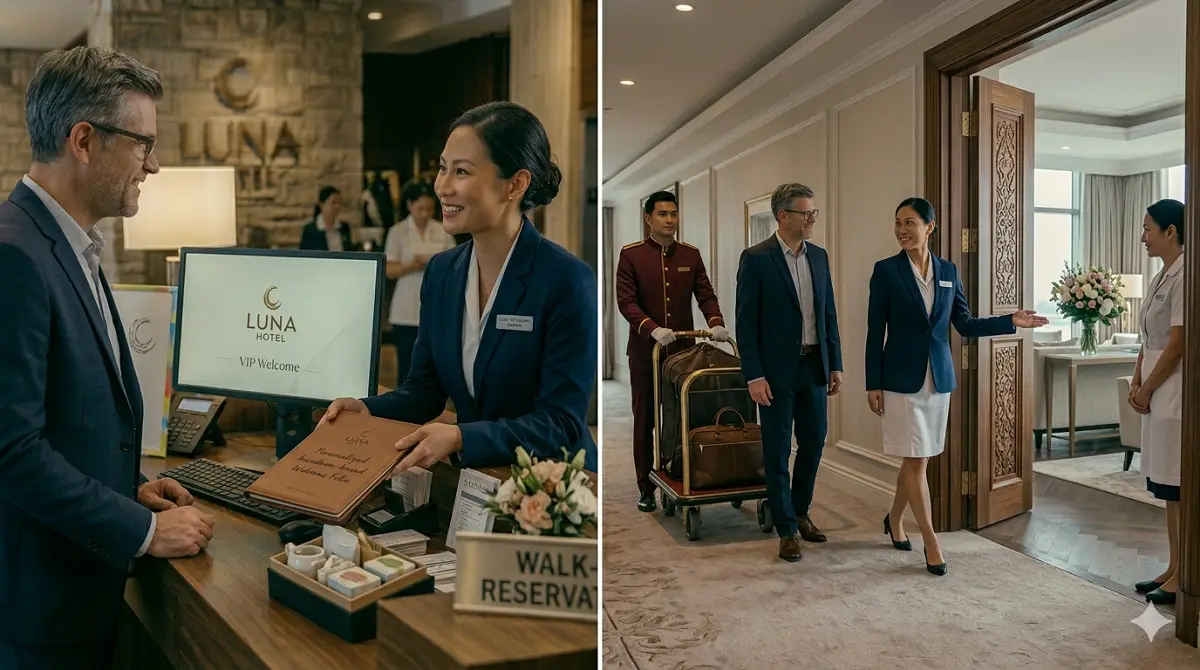
This training module focuses on VIP guest handling within front office operations, designed to ensure personalized service delivery, operational precision, and high guest satisfaction. VIP handling is a critical responsibility in the front office department, as it directly impacts brand image, guest loyalty, and service excellence in hotel operations.
Overview of VIP Guest Handling in Front Office Operations
VIP guest handling refers to the structured process of managing high-priority guests such as corporate leaders, celebrities, repeat high-value clients, and dignitaries. These guests require enhanced attention, personalized services, and seamless coordination across departments.
Effective VIP guest handling ensures guest satisfaction, strengthens brand reputation, and increases repeat business. Any lapse in service delivery can significantly impact the hotel’s image, making strict adherence to SOP essential.
SOP Procedure for VIP Guest Handling
The VIP guest handling SOP follows a structured sequence to maintain consistency and service excellence:
- Step 1: Pre-Arrival Preparation
Review VIP arrival reports and guest history in PMS/CRM. Note preferences, past stays, and special requests. - Step 2: Room Pre-Blocking
Assign premium rooms based on guest profile. Ensure rooms are inspected and approved by housekeeping and duty manager. - Step 3: Amenity Setup
Arrange welcome amenities such as fruits, flowers, or personalized notes as per hotel standards. - Step 4: Team Briefing
Inform all departments (housekeeping, F&B, concierge, security) about VIP arrival details and expectations. - Step 5: Arrival Coordination
Ensure doorman, bell desk, and front office staff are ready for guest arrival. Maintain zero waiting time. - Step 6: Express Check-in
Complete registration formalities quickly, preferably in-room or through pre-registration. - Step 7: Escort to Room
Guest Relations Executive or Duty Manager escorts the guest, explaining room features and facilities. - Step 8: Stay Monitoring
Track guest preferences and service requests throughout the stay. - Step 9: Pre-Departure Preparation
Ensure billing accuracy and prepare express check-out.
Front Desk Workflow and Department Coordination
VIP guest handling requires seamless coordination across multiple hotel departments:
Front Office: Manages guest interaction, check-in, and personalization.
Housekeeping: Prepares and inspects rooms with highest standards.
Food & Beverage: Arranges special dining requests and amenities.
Concierge: Handles transportation, reservations, and personalized services.
Security: Ensures guest safety and privacy.
Management: Oversees VIP experience and handles special requests.
Clear communication through briefing notes and internal systems ensures all departments are aligned, reducing service gaps and delays.
Guest Interaction Process
VIP guest handling requires refined communication skills and personalized interaction:
Personalized Greeting: Address the guest by name and acknowledge their status.
Professional Tone: Maintain a confident and respectful communication style.
Anticipation of Needs: Understand preferences before the guest requests them.
Discretion: Ensure privacy and confidentiality at all times.
Quick Response: Respond to requests within 2–5 minutes.
Special scenarios include:
Early Arrival: Provide immediate room or arrange lounge access.
Special Requests: Handle within priority timeline.
Complaints: Escalate immediately to duty manager and resolve within 10–15 minutes.
Repeat VIP Guests: Recognize preferences and personalize experience.
Effective interaction builds trust and enhances the guest experience significantly.
Tools and Systems Used
VIP guest handling relies on operational systems for accuracy and personalization:
Property Management System (PMS): Tracks reservations and room allocation.
Customer Relationship Management (CRM): Stores guest preferences and history.
VIP Arrival Reports: Lists priority guests and requirements.
Communication Systems: Enable real-time coordination between departments.
Mobile Check-in Tools: Facilitate express check-in services.
Proper system usage ensures seamless execution of VIP services and minimizes operational errors.
Service Standards and Performance Metrics
VIP guest handling performance is measured through defined benchmarks:
Zero Waiting Time: Immediate attention upon arrival.
Room Readiness: 100% availability before arrival.
Response Time: Service requests handled within 2–5 minutes.
Personalization Accuracy: Fulfillment of guest preferences.
Guest Satisfaction Score: High ratings from VIP guests.
Maintaining these standards ensures consistent service excellence and enhances brand value.
Evaluation and Training Assessment
Regular evaluation ensures effective VIP guest handling and continuous improvement:
Role Play Training: Simulate VIP scenarios for staff readiness.
Supervisor Audits: Review service delivery and SOP adherence.
Guest Feedback Analysis: Monitor VIP guest reviews and satisfaction.
Performance Tracking: Measure response time and service quality.
Refresher Training: Update staff on luxury service standards.
Training should focus on enhancing communication skills, attention to detail, and decision-making under pressure. In conclusion, VIP guest handling is a specialized function within front office operations that requires precision, coordination, and professionalism.
Also read: Beginner Handling Guest Complaints: Complete Front Office Training Guide with SOP & Professional Standards