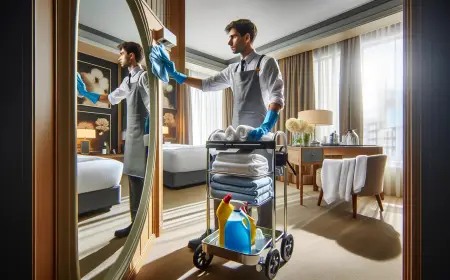
9 Industry-Level Cost Control Techniques for Housekeeping SOP
Learn industry-level cost control techniques in housekeeping with SOP, inventory management, labor control, waste reduction, and professional hotel standards.
 Altama khan
 Industry-Level Cost Control Techniques in Housekeeping Training
We’re bleeding money in small places… extra linen runs, half-used chemicals, lights left on. That’s where profit disappears. Fix it on your shift.
Why Industry-Level Cost Control Techniques Matter
- Every room cleaned costs something. Control it.
- Waste adds up faster than you think.
- Because sloppy habits hit the budget daily.
Benefits of Industry-Level Cost Control Techniques
- Lower expenses
- Stronger floor control
- Less wastage
- Better workflow
- And tighter operations
1. Inventory Control and Stock Management
- Track daily stock usage. No guessing.
- Stop overstocking—dead stock is dead money.
- Maintain records. Every item logged.
- Cut wastage where it starts.
- Because missing stock means poor tracking.
2. Linen Usage and Laundry Cost Control
- Don’t replace linen unless needed
- Follow washing procedures strictly
- Track linen movement daily
- Watch damage—most of it is avoidable
- Because extra laundry runs cost water, power, chemicals.
3. Cleaning Chemical Usage Control
- Follow dilution ratios exactly
- Use the right chemical for the job
- Store chemicals properly
- Train your staff—don’t assume they know
- Because overuse wastes money and damages surfaces.
4. Labor Cost Management Techniques
- Schedule properly—no idle time
- Push productivity on the floor
- Cut unnecessary overtime
- Train staff to work smarter, not slower
- Because labor is your biggest cost.
5. Energy and Water Conservation Methods
- Switch off unused lights
- Use energy-efficient equipment
- Watch laundry water usage
- Don’t let machines run half loads
- Because wasted utilities hit daily bills.
6. Waste Reduction and Recycling Practices
- Recycle where possible
- Stop product wastage
- Use refillable dispensers
- Monitor supply usage closely
- Because small waste becomes big loss.
7. Preventive Maintenance and Equipment Care
- Clean equipment after every use
- Inspect regularly
- Report faults immediately
- Follow maintenance schedules
- Because breakdowns cost more than upkeep.
8. Quality Control and Operational Monitoring
- Inspect regularly
- Track staff performance
- Maintain cleaning standards
- Reduce rework—do it right once
- Because redo work doubles cost.
9. Staff Training and Productivity Improvement
- Train continuously
- Correct mistakes early
- Improve speed and accuracy
- Keep standards tight
- Because untrained staff waste time and resources.
Common Challenges in Housekeeping Cost Control
- Inventory wastage
- High laundry cost
- Overuse of chemicals
- Labor issues
- Equipment damage
- All of it starts from weak supervision.
Benefits of Effective Cost Control Techniques
- Better profit control
- Less waste
- Stronger team efficiency
- Cleaner operations
- And smoother shifts overall