A New Era for European Rail Travel with Trenitalia’s Germany-Italy High-Speed Connection
 Munni Khatun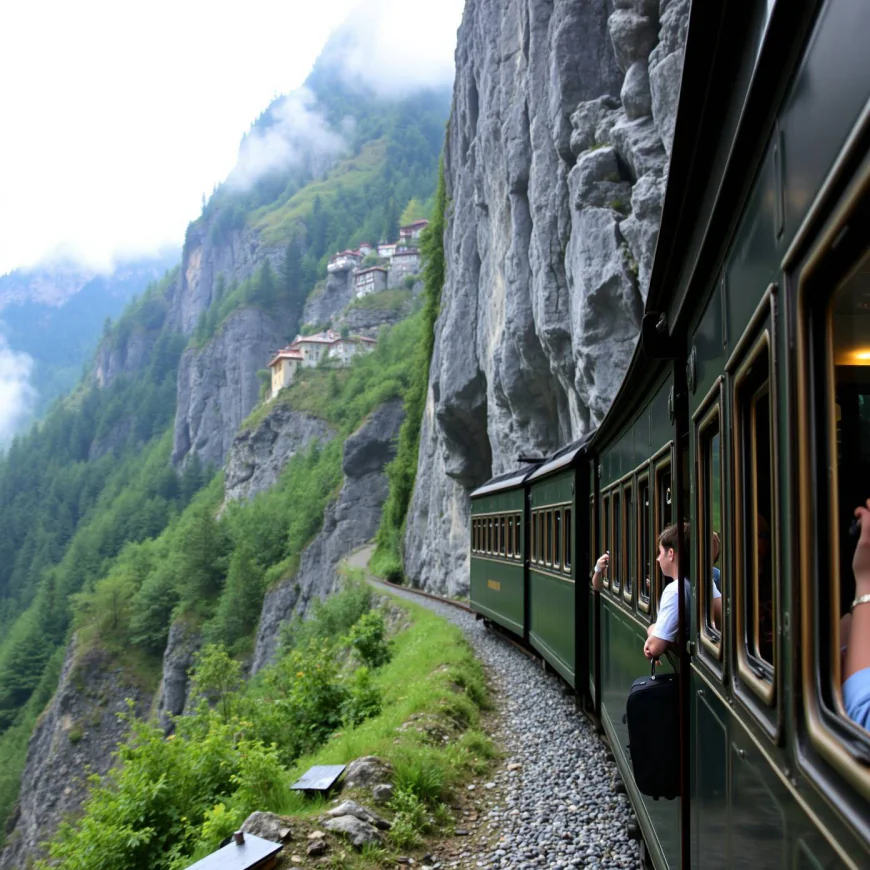


European rail travel is poised for a revolutionary upgrade with the announcement of new direct high-speed train services linking Germany and Italy starting December 2026. This major development comes from a collaboration between Italy’s Trenitalia, Germany’s Deutsche Bahn, and Austria’s ÖBB, signaling a giant leap forward in cross-border rail connectivity.
Travelers will soon enjoy direct daily high-speed train options from Munich to Milan and Munich to Rome, cutting down journey times significantly and offering a highly comfortable, sustainable alternative to air travel. These routes, set to redefine Central and Southern European travel, promise seamless journeys with no transfers, no airport hassles, and scenic routes through the Alps.
Key features of this new service include:
- Munich to Milan in approximately 6.5 hours, with stops in Innsbruck, Bolzano, and Verona
- Munich to Rome in about 8.5 hours, stopping in Innsbruck, Bolzano, Verona, Bologna, and Florence
This launch forms part of a broader European Commission pilot project encouraging rail travel within the EU, focusing on reducing carbon emissions and relieving congestion at airports. The expansion is set to benefit both business and leisure travelers seeking a faster, greener, and more relaxing way to traverse Europe.
Looking ahead, the network will expand further by 2028, with plans to introduce direct trains between Milan and Berlin and Naples and Berlin, bringing more European destinations closer together by rail. An infrastructure marvel, the Brenner Base Tunnel, expected to open by 2032, will further reduce travel times and increase reliability by providing a direct high-capacity Alpine route.
This feature explores the details of this exciting new service, its impact on European travel, and why this is a game-changer for the continent’s transportation landscape.
New Direct High-Speed Train Services: Routes and Timings
The new daily services will provide travelers with two key high-speed rail routes:
- Munich to Milan:
Covering roughly 6.5 hours, this route includes stops in some of the most picturesque Alpine towns — Innsbruck, Bolzano, and Verona. Passengers will experience a comfortable journey with modern trains equipped with amenities designed for both productivity and relaxation. - Munich to Rome:
The longer route takes approximately 8.5 hours and stops at cultural and historical centers such as Bologna and Florence, in addition to Innsbruck, Bolzano, and Verona. This route offers a unique travel experience connecting Germany’s economic hub with Italy’s capital, merging efficiency with tourism appeal.
These services will operate daily, providing reliable and frequent options for travelers to plan their trips with confidence.
European Commission’s Role: Promoting Sustainable Cross-Border Rail Travel
This project is part of a wider European Commission initiative aimed at encouraging greener, more sustainable travel across member states. Rail transport is a vital pillar in Europe’s strategy to reduce the environmental impact of transportation and support climate goals.
As the EU shifts focus away from short-haul flights, these new high-speed routes provide a practical alternative, significantly cutting travel times without sacrificing comfort or convenience. The direct trains promise:
- Lower carbon emissions compared to flights
- Reduced road congestion through efficient rail use
- Enhanced passenger comfort and onboard amenities
- Scenic, stress-free travel experiences through iconic European landscapes
This initiative aligns with the EU’s vision to create a more connected, accessible, and eco-friendly transportation network.
Future Expansion: Berlin Connections and Beyond
By the end of 2028, travelers will see the addition of two new direct high-speed routes:
- Milan to Berlin
- Naples to Berlin
These connections will further bridge Germany and Italy with more direct rail links, facilitating smoother travel across longer distances within Europe.
Such expansions are expected to attract more travelers to choose rail over air, supporting environmental objectives while enhancing travel flexibility.
The Brenner Base Tunnel: A Game-Changer for Alpine Travel
A critical infrastructure project complementing these new services is the Brenner Base Tunnel, scheduled for completion by 2032. This tunnel, cutting through the Eastern Alps, will provide a high-capacity, fast, and reliable rail corridor between Germany and Italy.
Expected benefits include:
- Cutting up to one hour off current travel times
- Reducing bottlenecks and increasing rail capacity
- Improving reliability regardless of weather conditions
- Supporting heavier freight traffic, easing road congestion
This tunnel is a key link in Europe’s north-south rail axis, making these new high-speed services faster and more dependable.
Why Choose High-Speed Trains Over Flights?
The new routes offer numerous advantages over flying:
- No airport lines or security hassles: Board the train right in city centers
- More comfortable seating and space: Ideal for working or relaxing
- Breathtaking views: Travel through the Alps and scenic regions
- Environmentally friendly: Lower carbon footprint than air travel
- Punctual and frequent departures: Less vulnerable to weather delays
For business travelers, families, and tourists alike, these trains provide a compelling alternative to air travel, combining speed, comfort, and convenience.
Trenitalia, Deutsche Bahn, and ÖBB: A Collaborative European Effort
The partnership between Italy’s Trenitalia, Germany’s Deutsche Bahn, and Austria’s ÖBB highlights a growing trend of cross-border cooperation in European rail. Together, these leading rail operators are pooling resources and expertise to deliver:
- Seamless ticketing and scheduling
- Shared standards for onboard service and comfort
- Coordinated customer support for cross-country travelers
This collaboration aims to make European rail travel as hassle-free and attractive as possible, encouraging more travelers to leave their cars and planes behind.
What Travelers Can Expect Onboard
Modern high-speed trains on these routes will feature:
- Spacious, ergonomic seating with charging ports
- Quiet zones and family compartments
- Wi-Fi and onboard entertainment options
- Refreshment services and dining cars
- Accessibility features for passengers with reduced mobility
The trains are designed to suit all travel needs, from quick business trips to leisurely holidays exploring Europe’s cultural capitals.
Impact on European Tourism and Economy
These new direct rail links are set to bolster tourism and economic ties between Germany and Italy, two of Europe’s largest economies. Easier and faster travel will:
- Boost cross-border tourism by connecting popular destinations
- Support business travel and trade across regions
- Encourage sustainable regional development
- Foster cultural exchange and cooperation
By enhancing connectivity, these services will contribute to a stronger, more integrated European travel market.
Final Thoughts: The Future of Europe on the Rails
The launch of direct high-speed trains between Germany and Italy is more than just a new transport option—it’s a signal of the future of European mobility. Combining speed, sustainability, and comfort, these routes will redefine how travelers experience Europe, making it more accessible and enjoyable.
For those planning trips in 2026 and beyond, the Trenitalia-Deutsche Bahn-ÖBB partnership offers a fresh, modern way to journey through some of the continent’s most iconic landscapes and cities.
Keep an eye out for ticket launches and schedule announcements later this year and prepare to embrace a new era of high-speed European rail travel.
The post A New Era for European Rail Travel with Trenitalia’s Germany-Italy High-Speed Connection appeared first on Travel And Tour World.