Delta Air Lines Cancels Nearly 170 Flights as FAA Orders 10% Traffic Reduction at 40 Major U.S. Airports
Delta cancels ~170 flights as the FAA mandates a 10% traffic cut at 40 major U.S. airports amid staffing shortages, disrupting travel and tourism nationwide.
 Munni Khatun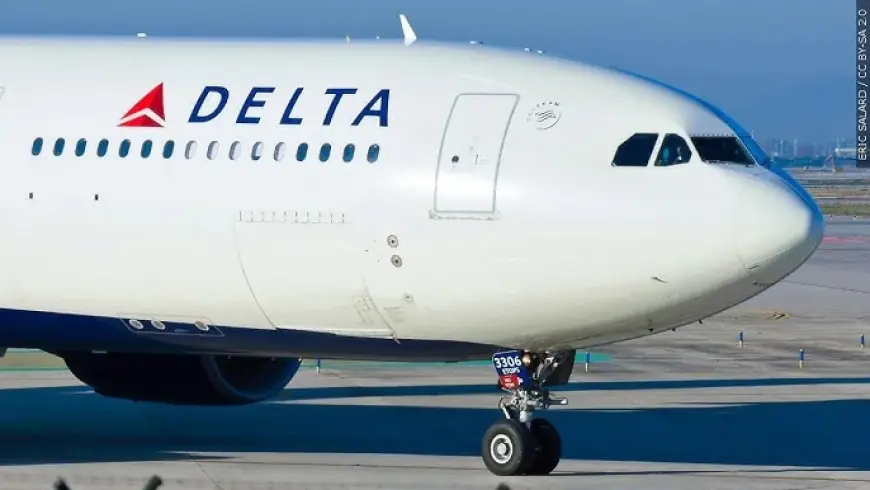

Delta Air Lines Cancels Nearly 170 Flights as FAA Orders Flight Reductions at Major U.S. Airports
Delta Air Lines has canceled roughly 170 flights across its network after the Federal Aviation Administration (FAA) issued an emergency directive requiring a 10% reduction in air traffic at more than 40 major U.S. airports, including key hubs such as Atlanta (ATL) and Newark (EWR). The move, which took effect on November 7, comes amid a severe shortage of air-traffic controllers who continue working without pay during the ongoing government shutdown.
The FAA’s directive has triggered major operational disruptions across the airline industry, marking one of the most significant nationwide flight-reduction events in recent years. With Delta, United, American, and Southwest operating through the most affected airports, millions of travelers may face delays, cancellations, and rerouted flights in the coming weeks.
FAA’s 10% Traffic Reduction and Why It Matters
The FAA’s decision to restrict traffic stems from a staffing crisis triggered by the extended government shutdown. Thousands of air-traffic controllers have been forced to work without pay, leading to fatigue, limited availability, and safety concerns. To prevent workload overload and maintain operational safety, the FAA introduced mandatory 10% traffic cuts at:
-
Atlanta Hartsfield-Jackson (ATL)
-
Newark Liberty (EWR)
-
Chicago O’Hare (ORD)
-
Orlando International (MCO)
-
Washington-Reagan (DCA)
-
And more than 35 additional busy U.S. airports
The air-traffic reduction has immediately constrained airline operations, forcing carriers to cancel flights, reschedule departures, and reroute traffic around congested corridors.
Delta Air Lines: Largest Impact Among U.S. Carriers
Delta Air Lines—one of the nation’s largest operators—has been heavily affected. With a significant presence at ATL and EWR, Delta reported about 170 flight cancellations on November 7 alone.
These disruptions stem from:
-
FAA-restricted arrival and departure slots
-
Limited controller availability
-
Congestion around key East Coast airspace
-
Rerouted flights to avoid restricted areas
While Delta operates thousands of flights daily, these cancellations represent growing pressure within the airline’s network. Travelers reported long wait times, departure delays, and increased difficulty securing alternative flights.
Airlines Across the Country Brace for Larger Disruptions
Other major airlines—including United Airlines, American Airlines, and Southwest Airlines—are also adjusting schedules in response to the FAA directive.
Industry analysts estimate that 2,500+ flights could be canceled in the coming days, with delays affecting tens of thousands of travelers.
Airlines are being forced to:
-
Reduce operations at controlled airports
-
Modify aircraft rotations
-
Limit international flight connections
-
Cut nonstop flights to busy destinations
This has resulted in irregular flight operations nationwide.
Impact on U.S. Tourism and Hospitality
While flight disruptions affect passengers directly, the consequences ripple into the broader tourism and hospitality sectors:
Hotels in Major Tourist Hubs Face Lower Occupancy
Cities with heavy tourism—such as New York, Orlando, Los Angeles, and San Francisco—are likely to see reduced hotel occupancy as fewer international and domestic tourists arrive.
International Travel Faces Significant Setbacks
Foreign tourists traditionally spend more and stay longer, making them crucial to the U.S. travel economy. Reduced flight capacity may lead to:
-
Lower inbound visitor numbers
-
Losses in retail, dining, and attraction revenue
-
Slower recovery in tourism after peak seasons
The U.S. Travel Association estimates a potential $1.8 billion economic loss if international arrivals drop by 10% during the shutdown.
Effects of the Government Shutdown on Travel
The ongoing shutdown has created a domino effect across U.S. transportation:
-
Air-traffic controllers working without pay
-
TSA staffing shortages
-
Delays at customs checkpoints
-
Closure of federal services that support tourism
The longer the shutdown continues, the more severe and long-lasting the travel disruptions may become.
What Travelers Should Do During Widespread Flight Disruptions
1. Monitor Your Flight Frequently
Flight statuses may change by the hour. Use the Delta, United, or American Airlines apps for live updates.
2. Choose Flexible or Refundable Tickets
Given the instability, travelers should opt for bookings with no-fee changes or cancellations.
3. Arrive Earlier Than Usual
Security delays and reroutes may increase waiting times to 2–3 hours at major airports.
4. Consider Alternate Airports
Travelers may find better availability at secondary airports such as:
-
Baltimore (BWI)
-
Charlotte (CLT)
-
Tampa (TPA)
5. Book Hotels Far in Advance
Hotel prices may fluctuate—especially in tourist cities—so advance bookings are recommended.
6. Prepare for Higher Travel Costs
Fewer flights mean more expensive last-minute tickets and pricier accommodations.
7. Buy Travel Insurance
Insurance helps cover cancellations, delays, and lost luggage during unpredictable travel periods.
Future Outlook: What to Expect in the Coming Weeks
With the government shutdown ongoing, experts predict:
-
A continued reduction in flight availability
-
Ongoing delays at airports
-
Higher travel costs entering the winter season
-
Strain on the hospitality industry
-
Uncertainty for international travelers
Until the FAA restores full staffing and rescinds the capacity cuts, U.S. air travel is expected to remain unstable.
Conclusion
Delta Air Lines’ cancellation of nearly 170 flights marks the beginning of a broader national disruption caused by FAA-mandated traffic reductions. With major hubs like Atlanta and Newark under operational restrictions, the impact extends far beyond airlines—affecting travelers, tourism businesses, hotels, and international travel markets.
Passengers are advised to stay flexible, monitor updates closely, and prepare for continued challenges as the U.S. air travel system navigates one of its most significant staffing-related disruptions in years.