Dhokla Recipe with SOP & Presentation Guide
Starters Dhokla recipe with SOP & presentation guide for hotel style and restaurant preparation with soft texture.
 Tripti Srivastava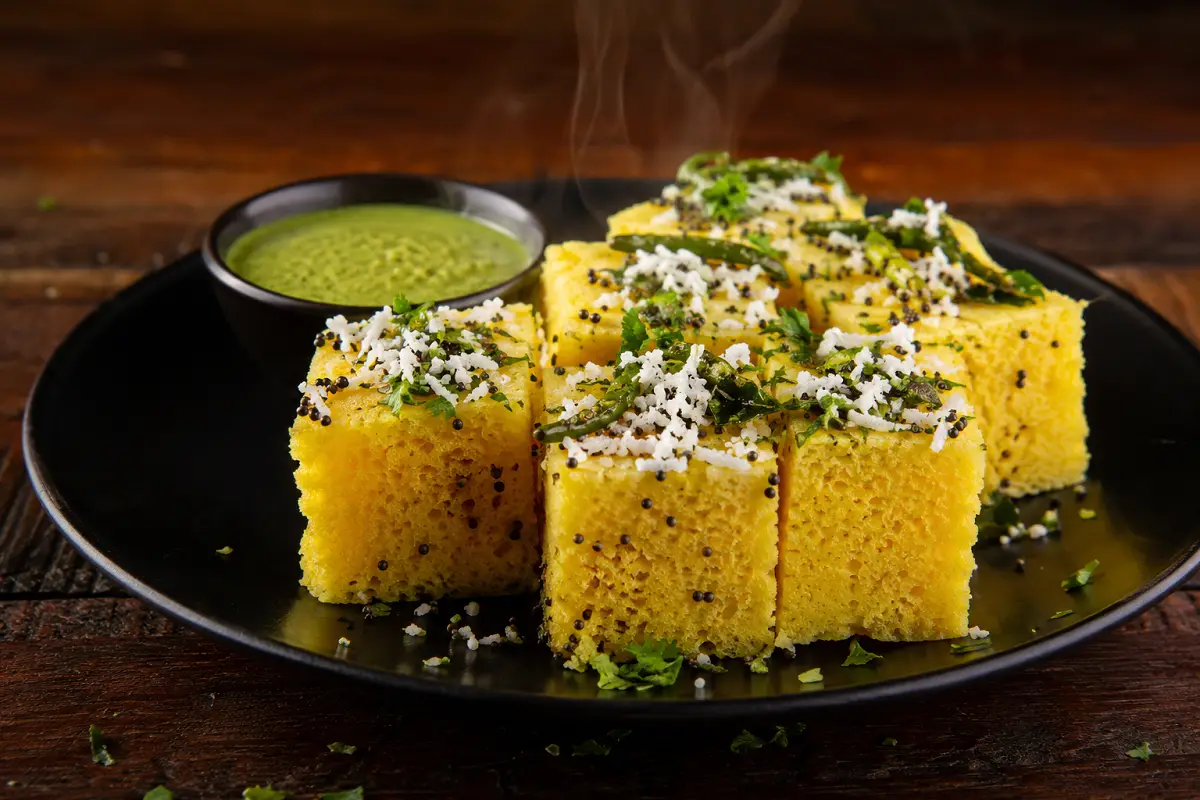
Dhokla recipe is one of those starters that look simple until you run it in a real kitchen. You see it across hotel buffets, restaurant services, and snack counters. Soft, spongy, clean on the palate and it holds up when the prep is tight and the steam is right.
In hospitality, Dhokla earns its spot because it moves fast and fits everywhere. Breakfast buffets, tea time, light bites, it works. Low oil, quick plating, and still delivers on flavor when done properly in a hotel setup.
It all comes down to fermentation. That’s where the texture is built. Whether you’re using besan or a fermented mix, you need that natural lift. In a pro kitchen, you control that process so every batch comes out the same, no guessing.
And batter prep has to be sharp. Get your ratio of gram flour, water, and leavening right. No lumps, no shortcuts. A smooth batter means even steaming and a clean, consistent crumb.
Fermentation time can make or break it. If it's too short, the Dhokla turns dense. Too long and you get that sour edge nobody wants. In service, you watch your environment, heat, humidity, all of it affects the result.
When time’s tight, you bring in fruit salt or baking soda. It gives you that instant lift. In busy kitchens, this technique is how you keep speed without losing the texture.
Steaming does the heavy lifting here. No frying, no shortcuts. In hotel kitchens, steamers are dialled in so the batter cooks evenly. You control time and heat, and the texture follows.
The tempering is where the flavor kicks in. Mustard seeds, curry leaves, and green chillies add a touch of sweetness; it soaks into the Dhokla and keeps it moist. Skip this step, and the dish feels flat.
Texture is everything. Soft, airy, slightly moist, that’s the target. And you only hit that when your batter, fermentation, and steaming are all in sync.
Consistency matters on the line. Cut clean, uniform pieces into squares or diamonds. It keeps portions tight and plating sharp, especially on buffets.
Dhokla gives you range. With a kamon, nylon, or sandwich version, you can move it across menus easily. Standalone or part of a platter, it always fits.
You can push the flavor with green chutney, tamarind, fresh coriander, and coconut. Keep it balanced. These extras should lift the dish, not bury it.
Plating still counts. That yellow base, green garnish, and glossy tempering should look fresh and inviting the moment it hits the pass.
Hygiene stays tight. Clean steamers, fresh batter, proper handling, and standard kitchen discipline. That’s how you keep quality steady.
From a training side, Dhokla teaches control fermentation, batter work, steaming, and timing. You get this right, and your basics are solid.
It stays on menus because it works. Fast service, healthy profile, and consistent output. Chefs rely on it.
You’ll see modern spins, sure. But the classic still wins. Guests know it, expect it, and come back for that same texture.
At the end of the day, Dhokla is a steamed snacks about control and consistency. Get the prep right, manage the steam, and it delivers every single time.
Indian Starters Preparation Method
A smooth batter is prepared using gram flour, water, and spices, followed by fermentation or the addition of a leavening agent. The batter is poured into greased trays and steamed until soft and spongy. Once cooked, it is tempered with mustard seeds, curry leaves, and green chillies, then cut into pieces and served.
Dhokla Recipe SOP (Standard Operating Procedure)
Use fresh gram flour and maintain batter consistency. Ensure proper fermentation or correct use of leavening agents. Preheat the steamer before cooking. Steam at a controlled temperature for even cooking. Apply tempering evenly for moisture and flavor. Maintain hygiene and use clean equipment for consistent results.
Also Read: Sabudana Vada Recipe
Garnish & Presentation
Garnish with chopped coriander leaves, grated coconut, and slit green chillies. Ensure even tempering distribution for a glossy finish. Serve with green chutney for enhanced flavor and visual appeal.
Gujarati Starters Plating & Serving Tips
Serve on clean platters or trays with neatly cut uniform pieces. Arrange without overlapping to maintain structure. Serve fresh and slightly warm for the best taste. Ideal for buffet counters, tea-time service, and restaurant starter menus.
Ingredients
- Gram flour (besan) – 250 grams
- Semolina (sooji) – 30 grams
- Yogurt – 150 grams
- Water – 200 ml
- Ginger-green chilli paste – 15 grams
- Turmeric powder – 2 grams
- Salt – 10 grams
- Sugar – 15 grams
- Fruit salt (eno) – 10 grams
- Lemon juice – 10 ml
- Oil – 30 ml
- Water – 50 ml
- Curry leaves – 10 grams
- Mustard seeds – 6 grams
- Green chillies (slit) – 10 grams
- Sugar – 10 grams
Nutritional Information
- Calories: 220 kcal
- Protein: 8 g
- Carbohydrates: 32 g
- Fat: 6 g
- Fiber: 3 g
Directions
1. Prepare the Batter
Mix gram flour, semolina, yogurt, water, ginger-chilli paste, turmeric, salt, and sugar to form a smooth batter. Rest for 30 minutes if not fermenting overnight.
2. Add Leavening Agent
Add lemon juice and fruit salt just before steaming. Mix gently to retain air.
3. Prepare Steamer
Preheat steamer and grease trays to prevent sticking.
4. Steam the Batter
Pour batter into trays and steam for 15–20 minutes until cooked and spongy.
5. Check Doneness
Insert a toothpick; it should come out clean.
6. Prepare Tempering
Heat oil, add mustard seeds, curry leaves, and green chillies. Add water and sugar.
7. Apply Tempering
Pour tempering evenly over steamed dhokla to keep it moist.
8. Cut Pieces
Cut into uniform squares or diamonds for consistent portioning.
9. Garnish
Add coriander leaves and grated coconut.
10. Serve
Serve warm with green chutney for best taste and presentation.
Rate this Recipe
User Reviews
No reviews yet. Be the first to share your thoughts!