Sabudana Vada Recipe with SOP & Presentation Guide
Starters Sabudana Vada recipe with SOP & presentation guide for hotel style and restaurant preparation with crispy texture.
 Tripti Srivastava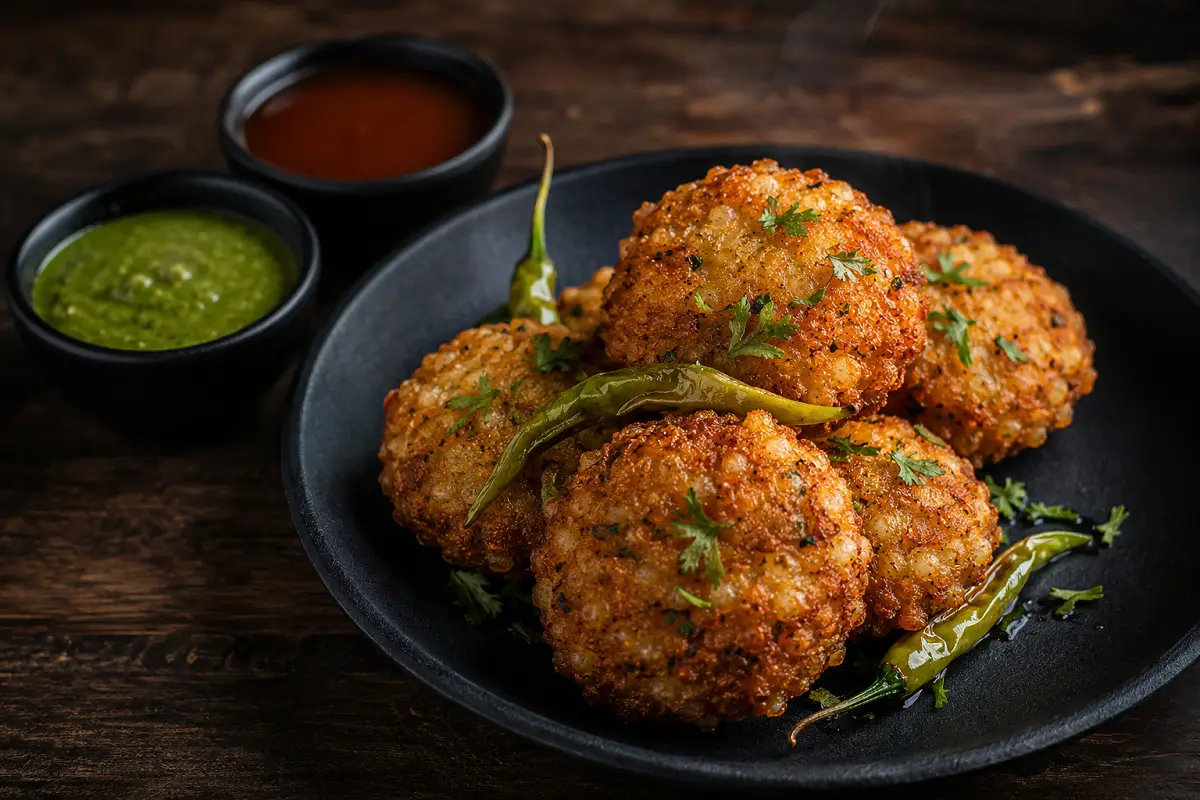
Sabudana Vada recipe is one of those classics you’ll see moving fast in hotel kitchens fasting menus, snack counters, even premium tea service. Done right, it hits that contrast hard: crisp outside, soft and flavorful inside. It’s simple food, but it demands control.
In a professional setup, Sabudana crispy vada earns its place. Guests love the texture, and it fits everywhere from vrat snacks menus to buffet lines. The hotel style version is all about consistency on the plate, clean seasoning, and a finish that looks as good as it eats.
It all starts with the sabudana (tapioca pearls). Get the soak right or the whole batch fails. You want it soft but separate not sticky, not hard in the center. Overdo it and you get mush. Undercook it and the bite turns unpleasant.
Boiled potatoes hold everything together. Mash them smooth no lumps. In a pro kitchen, that mix needs to bind clean so the vada holds during frying. Balance between sabudana and potato matters, or the texture falls apart.
Roasted peanuts bring the crunch. Crush them coarse, not powder. You want that nutty bite cutting through the softness. That mix soft pearls, creamy potato, crunchy peanuts that’s where the dish comes alive.
Seasoning stays simple but sharp. Green chillies, cumin, fresh coriander. That’s it. Keep it clean and measured so every batch tastes the same on service.
Shape matters. Flat, round discs that’s the move. It helps them cook evenly and gives you that crisp outer layer. And keep them uniform size and weight must match for consistent frying.
Oil control is non-negotiable. Hold it at 170 to 180°C. Too hot and they break or burn. Too low and they soak oil and turn heavy. You manage the oil, or you lose the texture.
Fry smart. Small batches only. Give them space and handle gently. Sabudana vadas can break if you rush them steady hands, steady heat.
Texture is everything here. You’re chasing that crisp shell with a soft, slightly chewy center. That balance only comes from tight soaking, clean mixing, and controlled frying.
Consistency drives service. Every vada should match same size, same color, same bite. That’s how you hold standards during rush hours.
It’s a flexible dish. Works for fasting menus, café snacks, buffets you name it. That’s why it stays on menus.
A little lift goes a long way. A squeeze of lemon or a pinch of pepper sharpens the flavor. Use it lightly don’t overpower the base.
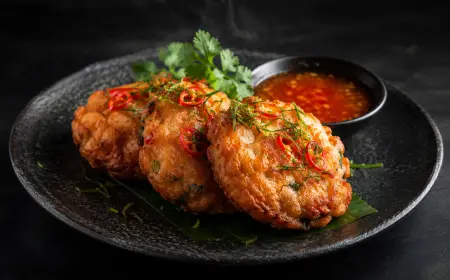
Presentation still counts. Stack them clean, add fried chillies, coriander, lemon wedges. Golden color, crisp edges that’s what sells the plate.
Also Read: Medu Vada Recipe
Keep hygiene tight. Proper soaking, clean handling, fresh oil no shortcuts. That’s standard kitchen discipline.
From a training angle, this dish teaches control soaking, balance, shaping, frying. Timing matters. Precision matters.
It stays profitable for a reason. High demand, simple prep, consistent output when done right.
You’ll see modern tweaks, sure. But the traditional version still wins. Guests come for that familiar texture and flavor don’t mess with it.
At its core, Sabudana Vada is about control and balance. When the prep is right and the fry is tight, it delivers every time.
Preparation Method
Sabudana is soaked until soft and non-sticky. It is mixed with mashed potatoes, crushed peanuts, spices, and herbs to form a uniform mixture. The mixture is shaped into flat discs and deep-fried in hot oil until golden and crisp. The vadas are served hot with chutneys.
Sabudana Vada Recipe SOP (Standard Operating Procedure)
Soak sabudana properly without excess water. Use smooth mashed potatoes for binding. Maintain uniform shaping. Keep oil temperature between 170–180°C. Fry in small batches. Avoid overcrowding. Use fresh oil and follow hygiene standards for consistent quality.
Garnish & Presentation
Garnish with fried green chillies, fresh coriander leaves, and lemon wedges. Serve with peanut chutney or mint chutney. Ensure golden color and crisp texture for premium hotel style presentation.
Indian Snacks Plating & Serving Tips
Serve in baskets or plates lined with parchment paper. Arrange vadas neatly without overlapping. Serve immediately after frying to retain crispness. Ideal for fasting menus, tea-time service, and snack counters in restaurant preparation.
Ingredients
- Sabudana (tapioca pearls) – 300 grams
- Potatoes (boiled & mashed– 400 grams
- Lemon juice – 10 ml
- Roasted peanuts (crushed) – 120 grams
- Green chillies (chopped) – 10 grams
- Fresh coriander leaves – 20 grams
- Cumin seeds – 6 grams
- Salt (sendha namak if fasting) – 10 grams
- Oil (for frying) – 900 ml
Nutritional Information
- Calories: 320 kcal
- Fiber: 3 g
- Carbohydrates: 42 g
- Protein: 6 g
- Fat: 14 g
Directions
1. Soak the Sabudana
Wash sabudana and soak in minimal water for 5–6 hours until soft and non-sticky.
2. Prepare the Mixture
Mix soaked sabudana with mashed potatoes, crushed peanuts, green chillies, cumin seeds, and salt.
3. Add Flavor
Add coriander leaves and lemon juice. Mix well to form a uniform dough.
4. Shape the Vada
Take portions and shape into round flat discs.
5. Heat Oil
Heat oil in a deep pan and maintain temperature at 170–180°C.
6. Fry the Vada
Gently slide vadas into hot oil and fry in small batches until golden and crisp.
7. Turn Evenly
Turn occasionally for uniform frying.
8. Drain Oil
Remove and place on absorbent paper to remove excess oil.
9. Garnish
Add fried green chillies and coriander for presentation.
10. Serve
Serve hot with chutney for best taste and texture.
Rate this Recipe
User Reviews
No reviews yet. Be the first to share your thoughts!