Chicken Tangdi Kebab with a Crispy Char That Gets Pulled Off the Bone
Chicken tangdi kebab with double marinade, deep scoring & smoky dhungar finish. Juicy bone-in drumstick kebab ready in 55 mins. Get the full recipe now.
 Tripti Srivastava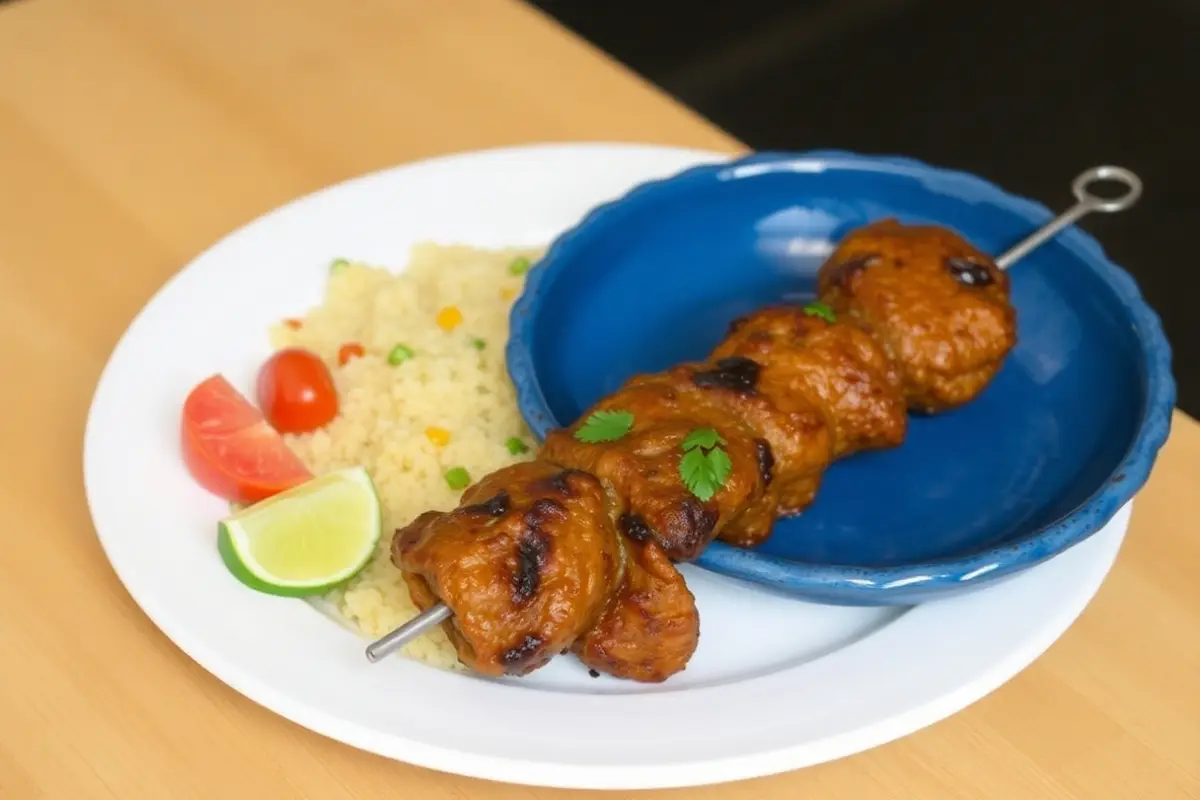
There is something deeply satisfying about picking up a chicken leg by the bone and pulling the meat away with your teeth. That is the eating experience that chicken tangdi kebab was built around and no other kebab preparation captures it quite the same way. The word "tangdi" (sometimes spelled tangri) means "leg" in Hindi, and this dish celebrates the drumstick in the most direct, unapologetic way possible. Bone-in chicken legs, deeply scored to let the marinade penetrate all the way to the bone, coated twice in spiced yoghurt, and grilled until the outside is charred and caramelised while the inside stays impossibly juicy this is a kebab that is meant to be picked up with both hands and eaten without ceremony.
Tangdi kebab is one of those dishes that shows up on every North Indian menu, every Punjabi dhaba, every wedding buffet, and every roadside stall that takes its grilling seriously. It is popular for a reason that is immediately obvious the first time you eat a properly made one the bone conducts heat inward during cooking, which means the meat cooks from both outside and inside simultaneously, producing a depth of juiciness that boneless preparations simply cannot replicate. The marinated skin and the charred edges of the scored meat carry intense spice and smoke, and the meat right next to the bone is the most tender, flavourful part of the entire piece. Once you understand that logic, the whole recipe makes complete sense.
This recipe gives you the authentic double-marinade tangdi kebab with the deep scoring technique, the two-stage marination approach calibrated specifically for bone-in chicken, multiple cooking methods, the Hariyali and Malai variations, and a full SOP and presentation guide. By the end of this recipe, you will not only know how to make tangdi kebab you will understand exactly why every step works.
What Makes This Chicken Tangdi Kebab Recipe Special
Tangdi kebab looks simple from the outside it is just a chicken leg with spices on it. But the details that separate an average tangdi from a great one are specific, and this recipe is built around every one of them.
- Deep scoring all the way to the bone. This is the single most important preparatory step in tangdi kebab. Making three to four deep cuts through the flesh down to the bone on each side of the drumstick dramatically increases the surface area the marinade can penetrate. Without scoring, the marinade sits only on the outer surface of the chicken and the meat next to the bone remains relatively unseasoned, no matter how long you marinate. With scoring, the marinade travels deep into every cut and the flavour is present in every bite from crust to bone.
- The double marinade system calibrated for bone-in chicken. Bone-in chicken takes longer to cook and has more mass than boneless pieces which means it needs more time in the marinade and a first marinade that is specifically designed to tenderise rather than flavour. The first marinade uses a simple combination of ginger-garlic paste, lemon juice, mustard oil, red chilli, and turmeric applied directly into the scored cuts. It tenderises the outer layer of the meat and begins building the base flavour. The second marinade is the full spiced yoghurt mixture that coats the entire drumstick and builds the complex, layered flavour profile during the longer marination rest.
- Roasted besan for a crunchy, clinging crust. A tablespoon of dry-roasted gram flour in the second marinade gives the coating a slightly textured, nutty thickness that clings to the scored chicken surface and forms a proper caramelised crust during cooking. Without it, the yoghurt coating tends to slide down the drumstick as it heats up and pool at the base of the pan rather than staying on the meat.
- Bone-in means longer cook time and that is a feature, not a flaw. Cooking bone-in chicken correctly is a patience exercise. The bone needs time to conduct heat inward. Rushing the cook time on high heat produces burnt outside and raw inside one of the most common tangdi kebab failures at home. This recipe uses medium heat with a lid for part of the cooking time, then uncovered high heat for the final char. This combination gives you cooked-through, juicy meat inside and a properly caramelised, slightly charred crust outside.
- The Frenching technique for presentation. Scraping the meat away from the thin lower end of the drumstick bone what chefs call "Frenching" the bone creates a clean, exposed handle of white bone that makes the finished tangdi kebab look exactly as it does in a restaurant. It takes 30 seconds per drumstick and transforms the visual presentation completely.
Ingredients Overview
The hero of this recipe is the chicken drumstick bone-in, skin-on or skin-off depending on your preference. Skin-on drumsticks produce a more dramatically charred, crispy exterior but need a careful eye during cooking to prevent the skin from burning before the meat is cooked through. Skin-off drumsticks are more forgiving, absorb the marinade more readily, and are the more common choice for restaurant tangdi kebab. Either works beautifully with this recipe. Choose drumsticks that are roughly uniform in size so they cook in the same time. Pat them dry with kitchen paper before scoring and marinating surface moisture dilutes the first marinade and prevents it from sealing the scored flesh.
The first marinade is intentionally simple ginger-garlic paste, lemon juice, red chilli powder, turmeric, salt, and a teaspoon of mustard oil or malt vinegar. Its job is to tenderise the outer meat layer and begin building flavour in the scored cuts not to carry the full spice profile. The lemon juice and mustard oil work together in the scored flesh to soften the protein fibres and open the tissue for the second marinade to penetrate.
The second marinade is the flavour-building stage and every element has a role. Thick hung curd provides the creamy, tangy base that coats the drumstick surface and caramelises during grilling. Kashmiri red chilli powder gives the vivid deep orange-red colour that makes tangdi kebab look so striking without delivering excessive heat. Ginger-garlic paste, coriander powder, cumin powder, garam masala, chaat masala, and kasuri methi build the layered, warm, aromatic spice profile. Roasted besan adds binding and texture. Smoked-and-cooled mustard oil adds the pungent depth that defines Punjabi-style grilled chicken. A small amount of food-grade orange colour is used in many restaurant tangdi kebabs for visual impact entirely optional since Kashmiri chilli delivers a beautiful natural colour on its own.
For substitutions: replace mustard oil with neutral oil if unavailable (the aroma will differ). Use Greek yoghurt in place of hung curd full-fat only. If roasted besan is unavailable, cornstarch works as a gluten-free substitute. Fresh cream added to the second marinade (2 tablespoons) produces a richer, slightly Malai-style tangdi without fundamentally changing the recipe.
Also Read: Paneer Boti Kebab Recipe
How to Make It
The process begins with the scoring and this step sets everything else up for success. Three to four deep cuts per side of each drumstick, all the way to the bone. Then the first marinade is rubbed firmly into every scored surface and left for 30 minutes. Then the second full spiced yoghurt marinade goes on and the drumsticks rest in the refrigerator for at least 2 hours (overnight is genuinely much better for bone-in chicken). Then cooking medium heat with a lid for the first 15 minutes to cook the meat through, then uncovered medium-high heat for the final char and crust formation.
The active cooking time is 25 to 30 minutes for bone-in drumsticks longer than boneless boti or tikka, and that extra time is what builds the juiciness and develops the char that makes tangdi kebab so distinctive. A baste of ghee or butter in the final 3 minutes adds the glossy, restaurant finish. The full step-by-step directions are below follow them in order.
Tips for Best Results
- Score deeply and confidently. Timid, shallow cuts do almost nothing for marinade penetration. Each cut should go clearly through the flesh all the way to the bone you should feel the knife stop on the bone. Three to four cuts per side on a standard drumstick is the right number. More cuts risk the meat falling apart during cooking. Too few cuts and the inner meat stays unseasoned no matter how long you marinate.
- Marinate overnight for bone-in chicken. This matters far more for drumsticks than for boneless chicken. The bone slows the heat penetration during cooking, which means the meat next to the bone needs maximum flavour from the marinade to compensate. Two hours is the minimum for a decent result. Overnight is when tangdi kebab reaches its full potential.
- Cook on medium heat with a lid first. The most common mistake with tangdi kebab at home is cooking over high heat the entire time. The outside chars before the meat near the bone is cooked through. Start on medium heat with a lid on the pan for the first 15 minutes the trapped steam cooks the chicken from the inside. Then remove the lid, increase to medium-high, and develop the char for the final 10 to 12 minutes.
- Use a meat thermometer if you have one. The internal temperature of the thickest part of the drumstick (away from the bone) should reach 75°C (165°F) before you remove it from the heat. This is the single most reliable way to know when bone-in chicken is safely and perfectly cooked through.
- Rest for 3 to 5 minutes before serving. Bone-in chicken retains heat and holds its juices much better than boneless pieces. A brief rest after cooking allows the juices to redistribute throughout the meat, making the first bite noticeably juicier than if you served it immediately from the pan.
- French the bone for presentation. Before cooking, use a small sharp knife to scrape the meat away from the thin lower 3 to 4 cm of the drumstick bone. Wrap this exposed bone in foil during cooking to prevent it from charring, then remove the foil before serving. This creates the clean, white bone handle that is the signature visual of a properly presented restaurant tangdi kebab.
Serving Suggestions
The classic accompaniment for tangdi kebab is exactly what works at every dhaba that serves it well a generous mound of thinly sliced raw onion rings tossed with a pinch of chaat masala, lemon juice, and a few fresh coriander leaves, alongside a bowl of green coriander-mint chutney. The sharp, fresh onion cuts through the richness of the marinated drumstick beautifully, and the chutney adds the herby brightness that makes every bite feel balanced.
For a more substantial spread, serve the tangdi kebabs alongside a warm laccha paratha, a bowl of mint raita, and a simple sliced tomato-cucumber salad. The combination of the warm, spiced drumstick, the flaky paratha, and the cool raita is one of the most satisfying North Indian meal combinations you can put on a table. For a dinner party setting, pair with dal makhani and garlic naan alongside the tangdi kebab for an Awadhi-style spread that requires very little effort to look genuinely impressive.
Storage and Reheating
Fridge: Store cooked tangdi kebabs in an airtight container for up to 3 days in the refrigerator. The flavour improves by the next day as the spices continue to deepen in the resting meat. To reheat without drying the drumstick out, place in a pan over medium-low heat with a tiny splash of water, cover with a lid for 3 to 4 minutes, then uncover for 1 to 2 minutes to re-crisp the exterior. An oven at 180°C for 8 to 10 minutes works equally well. Avoid the microwave for bone-in chicken it heats unevenly and makes the meat near the bone rubbery and the coating wet.
Freezer: Marinated uncooked drumsticks can be frozen in a zip-lock bag after the second marinade for up to 4 weeks. Thaw overnight in the refrigerator and cook from fully thawed do not attempt to cook bone-in chicken from frozen. Cooked tangdi kebabs can also be frozen for up to 2 weeks and reheated in the oven at 180°C for 15 to 18 minutes, covered with foil for the first 10 minutes, then uncovered for the final 5 to 8 minutes.
Variations and Substitutions
- Hariyali Tangdi Kebab (Green Herb Version): Replace the Kashmiri red chilli-based second marinade with a vibrant green marinade: blend together a large handful of fresh coriander leaves, a large handful of fresh mint leaves, a small handful of fresh spinach, green chillies, ginger, garlic, thick yoghurt, lemon juice, roasted besan, cumin, garam masala, and salt into a smooth paste. Coat the scored drumsticks and marinate overnight. The result is a visually striking jade-green tangdi with a fresh, herby, citrusy flavour profile that is completely different from the red version but equally spectacular. Hariyali tangdi is one of the most popular restaurant variations across North India.
- Malai Tangdi Kebab (Creamy White Version): Replace Kashmiri red chilli powder with white pepper powder, use neutral oil instead of mustard oil, and add 3 tablespoons of fresh cream and a tablespoon of cashew paste to the second marinade. The result is a pale, creamy, gently spiced white tangdi kebab that is luxurious and fragrant the bone-in Afghani style equivalent. Finish with cardamom powder and ginger juliennes for the full Malai presentation.
- Achari Tangdi Kebab: Add the full achari spice bloom kalonji, fennel, ajwain, fenugreek, and mustard seeds cooked in a teaspoon of smoked mustard oil and added to the second marinade for a tangy, pungent, pickle-spiced tangdi that is bold and deeply aromatic.
- Oven and Grill Method: Place the marinated drumsticks on a wire rack over a foil-lined tray. Bake at 200°C (390°F) for 25 to 30 minutes, turning once halfway. Switch to the grill or broiler setting for the final 4 to 5 minutes for a properly charred finish. Baste with ghee immediately after removing from the oven.
- Air Fryer Method: Place marinated drumsticks in the air fryer basket with space between each piece. Air fry at 190°C (375°F) for 22 to 25 minutes, turning once at the halfway point. Brush with ghee after removing. The air fryer produces a very consistent, even colour and is particularly useful for cooking 2 to 3 drumsticks at a time without needing to monitor closely.
- Charcoal Grill Method: Grill over medium charcoal heat, rotating every 3 to 4 minutes, for 25 to 30 minutes total. Baste with ghee every 5 minutes during cooking. The charcoal provides the smokiness naturally the dhungar step is unnecessary when cooking over live coals.
Preparation Method
Begin by preparing the drumsticks: skin them if preferred, pat completely dry with kitchen paper, and use a sharp knife to make 3 to 4 deep cuts per side all the way to the bone. French the lower end of each bone by scraping away the thin meat at the bottom 3 cm of the bone. Wrap the exposed bone sections in small pieces of foil. Squeeze lemon juice over the scored flesh and rub it in firmly. Combine the first marinade ingredients ginger-garlic paste, red chilli powder, turmeric, mustard oil, salt, and lemon juice and rub thoroughly into the scored flesh, making sure the marinade gets deep into every cut. Cover and rest for 30 minutes.
Prepare the second marinade: combine hung curd, smoked-and-cooled mustard oil, ginger-garlic paste, Kashmiri red chilli powder, coriander powder, cumin powder, garam masala, chaat masala, roasted besan, lemon juice, salt, and (if using) fresh cream. Whisk until smooth. Stir in crushed kasuri methi last. Coat the drumsticks generously with the second marinade, pressing it firmly into the scored cuts and around the entire surface. Cover and refrigerate for a minimum of 2 hours ideally overnight. Rest at room temperature for 20 minutes before cooking.
Standard Operating Procedure (SOP)
For consistent, restaurant-quality results every single time, follow this sequence: skin drumsticks → pat completely dry → deep score 3–4 cuts per side to the bone → French and foil the lower bone → apply first marinade firmly into scored cuts → rest 30 minutes → build second marinade → coat drumsticks thoroughly → refrigerate minimum 2 hours (overnight preferred) → rest at room temperature 20 minutes before cooking → cook medium heat with lid 15 minutes → remove lid, increase to medium-high, char 10–12 minutes, rotating every 3–4 minutes → baste with ghee in final 3 minutes → check internal temperature 75°C → rest 3–5 minutes → remove foil from bones → dhungar smoky finish if desired → chaat masala and lemon finish → serve immediately. The four non-negotiable steps are scoring deeply to the bone, marinating overnight, cooking with a lid first to cook through before charring, and resting before serving. Skip any of these four and the result will be noticeably less impressive.
For party and catering batches, apply the second marinade up to 24 hours in advance and refrigerate. Remove from the refrigerator 20 minutes before cooking. For large groups, the oven method allows you to cook 6 to 8 drumsticks simultaneously on two racks rotate the trays halfway through for even colour. Keep finished drumsticks warm on a wire rack in a 100°C oven with a loose foil tent. Always perform the ghee baste, chaat masala, and lemon juice steps fresh on each batch just before serving. For the most theatrical table presentation, perform the dhungar charcoal smoking step in the dining room so guests see and smell the smoke before the tangdi reaches their plate.
Garnish and Presentation
The visual signature of a well-presented tangdi kebab is the clean white bone handle rising from the caramelised orange-red drumstick and every other garnish choice should support that centrepiece rather than compete with it. Remove the foil from the Frenched bones just before plating. Place two drumsticks per person on a dark ceramic plate or slate board with the bones pointing upward at a slight angle for height and drama. The char marks on the meat, the vivid colour of the Kashmiri chilli marinade, and the exposed clean bone together create a plate that looks immediately impressive without a single additional garnish.
Add the garnish in supporting layers: a small mound of thinly sliced raw red onion rings tossed with chaat masala and lemon juice at the base of the drumsticks, a wedge of fresh lemon, two slit green chillies, and a generous sprig of fresh coriander. A drizzle of melted ghee over the drumsticks just before serving adds a warm golden sheen and a buttery aroma. For a restaurant finishing touch, scatter a pinch of chaat masala directly over the meat and add a few fine ginger juliennes across the surface they look elegant, add a sharp fresh note, and signal the North Indian restaurant style to anyone at the table who recognises them.
Plating and Serving Tips
Serve chicken tangdi kebab hot within 4 to 5 minutes of resting, while the ghee baste is still warm and the char at the bone end still has that slight crackle. Tangdi kebab holds heat better than boneless pieces because of the bone mass, but the marinade coating softens as it cools, so prompt service makes a real difference to the eating experience. For individual plating, two drumsticks per person make a generous starter portion or a light main. Keep the plate clean and intentional the drumstick is the hero.
For a sharing board at a party, stand the drumsticks upright in a cluster with the bones pointing skyward this requires them to lean against each other slightly, which they will do naturally as the meat softens during cooking. Place the green chutney and mint raita bowls at the base of the cluster. Scatter the dressed onion rings around the drumsticks, tuck in lemon wedges and coriander sprigs. Perform the dhungar smoking step on the board itself at the table the smoke rising from between the upright drumsticks is one of the most dramatic food presentations possible at a home dinner party and takes less than three minutes to execute.
If you make this chicken tangdi kebab recipe, I genuinely want to hear how it went did you score all the way to the bone, did you try the Hariyali green version, how did the overnight marination compare to a shorter rest, did the Frenched bone presentation surprise your guests? Leave a star rating below and drop a comment sharing every detail. Your notes genuinely help other readers cook with more confidence and I read every single one. Save this to Pinterest so it is always there for your next Eid platter, summer barbecue, Diwali spread, or any night that calls for something boldly, unapologetically Indian on the table!
Ingredients
- 8 chicken drumsticks, bone-in
- ¾ teaspoon salt
- 1 tablespoon ginger-garlic paste
- 1 tablespoon fresh lemon juice
- 1 teaspoon Kashmiri red chilli powder
- 1 teaspoon mustard oil (or malt vinegar)
- ¼ teaspoon turmeric powder
- ½ cup hung curd or full-fat thick Greek yoghurt
- ½ teaspoon garam masala
- 1 tablespoon ginger-garlic paste
- ½ teaspoon cumin powder
- 1 teaspoon coriander powder
- 1½ teaspoons Kashmiri red chilli powder
- 1 tablespoon mustard oil
- ¼ teaspoon turmeric powder
Nutritional Information
- Calories: 310 kcal
- Protein: 32g
- Carbohydrates: 9g
- Fat: 16g
- Fiber: 1g
- Sodium: 510mg
- Sugar: 3g
Directions
1. PREPARE AND SCORE THE DRUMSTICKS
Remove the skin from each drumstick if preferred — grip it firmly and pull
downward toward the bone end, using kitchen paper for grip if needed.
Pat every drumstick completely dry with kitchen paper on all sides.
Squeeze fresh lemon juice over all the pieces and let it sit for 2 minutes,
then pat dry again.
Using a sharp knife, make 3 to 4 deep cuts on each side of every drumstick —
each cut should go clearly through the flesh all the way to the bone.
You will feel the knife stop on the bone when the cut is deep enough.
Space the cuts evenly down the length of the drumstick. These cuts are not
optional — they are what allows the marinade to penetrate deep into the meat
and ensures the flavour is present all the way to the bone, not just on the
surface.
2. FRENCH THE BONE (OPTIONAL BUT RECOMMENDED)
At the thin lower end of each drumstick, use a small sharp knife to scrape
the meat and sinew cleanly away from the bottom 3 to 4 cm of the bone,
exposing a clean section of white bone. This creates the handle that makes
tangdi kebab look restaurant-quality on the plate. Wrap each exposed bone
section tightly in a small piece of kitchen foil — this protects it from
charring during cooking.
3. APPLY FIRST MARINADE
In a small bowl, combine the ginger-garlic paste, lemon juice, Kashmiri red
chilli powder, turmeric, mustard oil, and salt. Mix into a paste. Using your
fingers, rub this first marinade firmly into every scored cut and across the
entire surface of each drumstick, making sure the paste gets as deep into
the cuts as possible. Place in a bowl, cover with cling film, and refrigerate
for 30 minutes.
4. SMOKE THE MUSTARD OIL
While the drumsticks rest in the first marinade, heat 1 tablespoon of mustard
oil in a very small pan over high heat for 1 to 2 minutes until thin smoke
rises from the surface. Remove immediately from heat and cool completely to
room temperature — approximately 8 to 10 minutes.
5. DRY-ROAST THE BESAN
In a small dry pan over medium-low heat, stir the gram flour constantly for
3 to 4 minutes until it turns one shade darker and smells nutty. Remove
immediately and cool on a plate.
6. BUILD THE SECOND MARINADE
In a large bowl, combine the hung curd, cooled smoked mustard oil, ginger-garlic
paste, Kashmiri red chilli powder, coriander powder, cumin powder, garam masala,
chaat masala, black pepper, turmeric, cooled roasted besan, fresh cream (if using),
lemon juice, and salt. Whisk vigorously until completely smooth, thick, and deeply
orange-red. Taste the marinade — it should be bold, tangy, warmly spiced, and
well-seasoned. Stir the crushed kasuri methi in last.
7. APPLY SECOND MARINADE AND REFRIGERATE
Remove the drumsticks from the refrigerator. Add them to the second marinade
bowl. Using your hands, coat every surface generously — press the marinade
firmly into the scored cuts, around the base of the bone, and across the entire
drumstick. Every part of every piece should be well covered. Cover the bowl
tightly and refrigerate for a minimum of 2 hours. For the most flavourful,
juiciest result, marinate overnight (up to 12 hours). The longer marination
time makes a significantly more noticeable difference for bone-in chicken
than for boneless preparations.
8. BRING TO ROOM TEMPERATURE
Remove the marinated drumsticks from the refrigerator 20 minutes before cooking.
Cold bone-in chicken placed directly onto a hot tawa cooks unevenly — the
outside chars rapidly while the meat near the bone remains cold. Twenty minutes
at room temperature ensures more even cooking throughout.
9. COOK ON TAWA (STOVETOP METHOD)
Heat a wide, heavy-bottomed non-stick pan or cast-iron tawa over medium heat
for 2 minutes. Add 2 to 3 tablespoons of oil and swirl to coat.
Place the drumsticks in the pan with enough space between them — cook in two
batches of 4 if the pan is not wide enough for all 8. Place each drumstick
with the thickest side facing down first. Cover the pan with a tight-fitting
lid immediately. Cook on medium heat for 12 to 15 minutes — the steam trapped
under the lid cooks the chicken from the inside while the base begins to
caramelise. Check once at 8 minutes to ensure the heat is correct — there
should be steady, moderate sizzling, not an aggressive sputter.
After 12 to 15 minutes, remove the lid. The underside should be a deep,
caramelised orange-red. Turn the drumstick to the second side and cook
uncovered on medium-high heat for 5 to 6 minutes. Continue rotating every
3 to 4 minutes to develop an even char on all sides — total uncovered time
approximately 10 to 12 minutes. In the final 3 minutes, add a knob of ghee
to the pan and tilt to baste the melting ghee over the drumsticks.
Check doneness: the juices should run clear when you pierce the thickest
part with a knife, and the internal temperature should read 75°C (165°F).
Remove from heat and rest on a plate for 3 to 5 minutes before serving.
10. FINISH AND SERVE
Remove the foil from the exposed bones. Drizzle melted ghee over all the
drumsticks. Scatter a pinch of chaat masala and a squeeze of lemon juice
over the meat. Add the ginger juliennes. Arrange on the serving plate
alongside dressed onion rings, lemon wedges, slit green chillies, and
fresh coriander sprigs. Serve immediately with green chutney and mint raita.
Rate this Recipe
User Reviews
No reviews yet. Be the first to share your thoughts!