End of Travel‑Size Liquids? Heathrow Bets on New Security Technology
Heathrow Airport is investing in next‑generation security scanners that could end travel‑size liquid limits and speed up passenger screening.
 Jishan Khan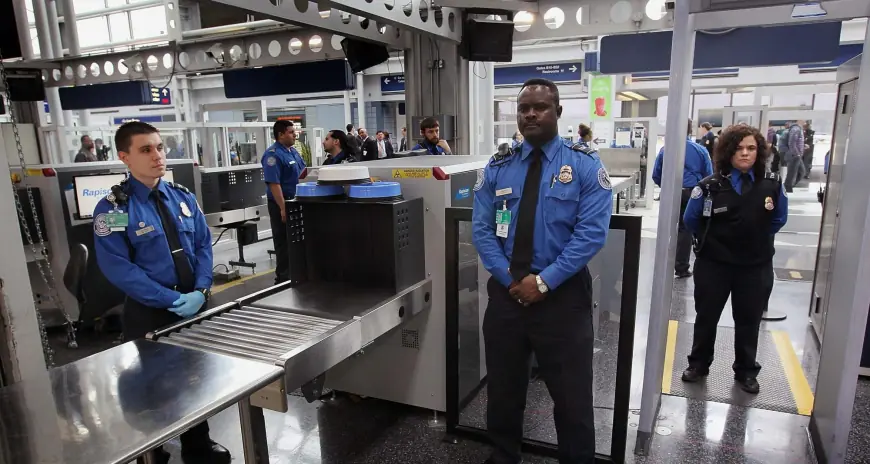

Heathrow Airport is betting on advanced security technology that could eventually bring an end to the long‑standing travel‑size liquid restrictions faced by air passengers.
The UK’s busiest airport is rolling out next‑generation computed tomography (CT) scanners, which allow security officers to see detailed 3D images of items inside passenger bags. These scanners are designed to improve threat detection while reducing the need for travellers to remove liquids, laptops and electronics during screening.
If fully implemented, the technology could eliminate the familiar 100‑millilitre liquid limit, a rule introduced globally after security concerns in the mid‑2000s. For passengers, this would represent a major improvement in convenience, particularly at hub airports like Heathrow where security queues are a frequent pain point.
Heathrow’s move reflects a broader shift across global aviation, with airports investing heavily in automation and smart screening to handle rising passenger volumes. As international travel demand continues to grow, airports face pressure to improve efficiency without compromising safety standards.
Despite the promise of the new scanners, widespread adoption has been slower than initially expected. High installation costs, infrastructure upgrades and regulatory approvals have delayed full deployment, even as passengers increasingly expect faster, less intrusive screening processes.
Aviation regulators continue to assess how the new technology performs in real‑world conditions. Until approvals are fully standardised, airports may still be required to enforce liquid restrictions, even if advanced scanners are in place.
From a business and operational perspective, Heathrow’s investment signals a long‑term strategy to enhance passenger experience and maintain its competitive position among global hub airports. Faster security processing can improve on‑time performance, reduce congestion and boost overall airport capacity.
Industry experts say the gradual removal of liquid limits would mark one of the most visible changes to airport security in decades. While the transition will take time, Heathrow’s technology‑driven approach highlights how innovation is reshaping the future of air travel.
As more airports follow suit, passengers may eventually see an end to one of the most frustrating aspects of flying — making airport security quicker, smoother and more passenger‑friendly.