Here is How India Boosting Air Travel with Privatization of Airports, What You Need To Know
 Munni Khatun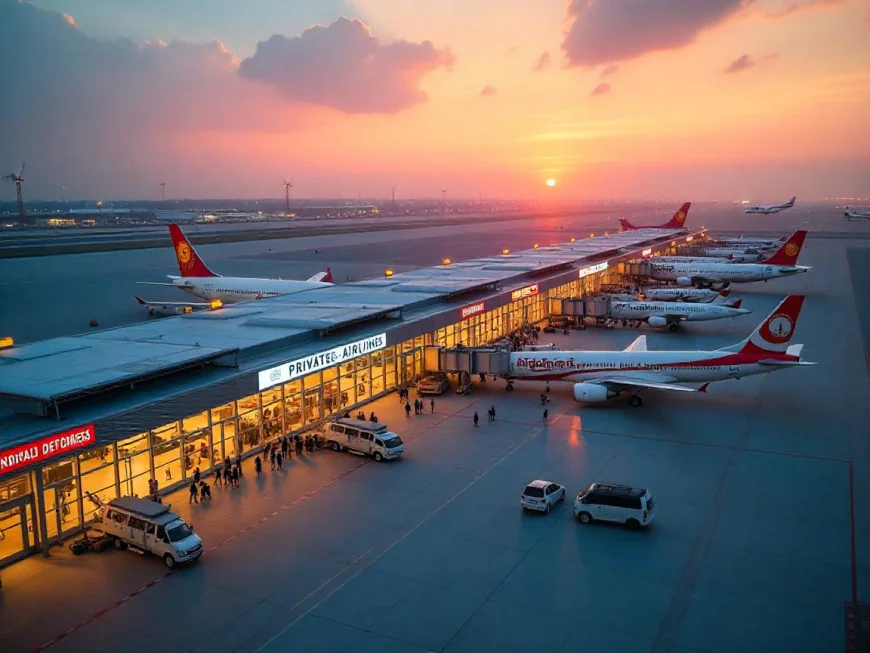


Here is how India is boosting air travel—with a game-changing focus on the privatization of airports. But what you need to know goes deeper than headlines. The country is not just building runways; it’s redefining the passenger experience. With soaring demand and crowded skies, India is racing to modernize its aviation ecosystem. Privatization is the fuel driving this transformation. Airports once sluggish are now seeing new life through private investment. Terminals are turning smarter. Services are getting faster. Travelers are noticing—and so are global investors. Meanwhile, the government continues to bundle assets, attract bidders, and rewrite how aviation works. This is no ordinary upgrade. It’s a strategic leap toward a world-class travel infrastructure. And yes, what you need to know is this: India’s airport reform isn’t just about air travel—it’s about unlocking a new era of global connectivity. The question is, are you ready for takeoff?
India is entering a new era in aviation. As the world’s third-largest aviation market, it now faces an urgent challenge: keeping pace with demand. The country is answering that call with bold reforms—chief among them, the rapid privatisation of public airports. This strategic move is not just about profit; it’s about preparing for the future of air travel in one of the world’s most dynamic economies.
The government, under Prime Minister Narendra Modi, is rolling out a plan to monetise public infrastructure. That includes bundling underperforming airports with profitable ones to attract private bidders. The goal? Encourage new investments, improve operational efficiency, and inject vitality into stagnant infrastructure.
Airports in India have long faced challenges: overcrowding, delays, and lack of modern amenities. But privatisation is turning these obstacles into opportunities. As private operators take the reins, they bring technology upgrades, better passenger experiences, and faster expansion timelines.
Already, major hubs like Delhi, Mumbai, Bengaluru, and Hyderabad have seen the transformation that privatisation can bring. Their terminals are world-class. Security is tighter. Flights are better managed. And now, more tier-2 and tier-3 cities are set to benefit from similar modernisation.
Moreover, the surge in domestic and international tourism has added pressure to grow capacity. India’s middle class is flying more than ever. Budget airlines are opening new routes. And global carriers are expanding codeshare agreements and nonstop services. All these trends point to one reality: India needs more airports, and it needs them fast.
Privatisation is a key strategy in tackling this demand. Investors bring not just money but innovation. They accelerate construction timelines, bring retail and hospitality partners onboard, and develop airport cities that extend economic benefits well beyond the terminal.
In return, the government boosts its revenue through long-term lease agreements, concession fees, and reduced operational burdens. This win-win model aligns with India’s larger economic ambitions—to be a global logistics and tourism hub.
However, the path is not without risks. Striking the right balance between public interest and private profit is critical. Overpricing, service inequality, and worker displacement are valid concerns. That’s why regulators are refining frameworks to ensure fair pricing, quality service, and accountability.
But momentum is on the government’s side. In 2025 alone, the Airports Authority of India (AAI) has identified over a dozen airports for the next phase of privatisation. These range from tourist-heavy zones to underdeveloped regional facilities ripe for transformation.
This shift has ripple effects across the airline industry. Carriers benefit from improved infrastructure, allowing for on-time departures, quicker turnarounds, and increased passenger comfort. Travelers benefit from streamlined security, digital check-ins, better food options, and world-class lounges.
Hotels near these new airports are already expanding. Global hospitality brands are entering secondary markets to cater to transit travelers, business executives, and vacationers. As a result, local economies see boosts in employment, land value, and retail growth.
International investors are also watching closely. Global airport operators and infrastructure funds view India as the next frontier. With a young population, rising income, and government incentives, the outlook is bullish.
This transformation is not just an infrastructure story. It’s a tourism story. A trade story. A future-of-India story. It reflects a shift in mindset—from managing scarcity to building capacity.
In the next five years, India could see hundreds of millions more passengers taking to the skies. To support that, the nation needs terminals that are smart, scalable, and sustainable. Privatisation could be the runway that launches Indian aviation to global heights.
The post Here is How India Boosting Air Travel with Privatization of Airports, What You Need To Know appeared first on Travel And Tour World.