Alaska Airlines Fleet: New 737-800 Transition Boosts Cargo Capacity
Alaska Airlines is retiring its Boeing 737-700 fleet by 2027 to boost cargo and passenger capacity. See how this shift upgrades the Alaska Airlines fleet.
 Rahul Roy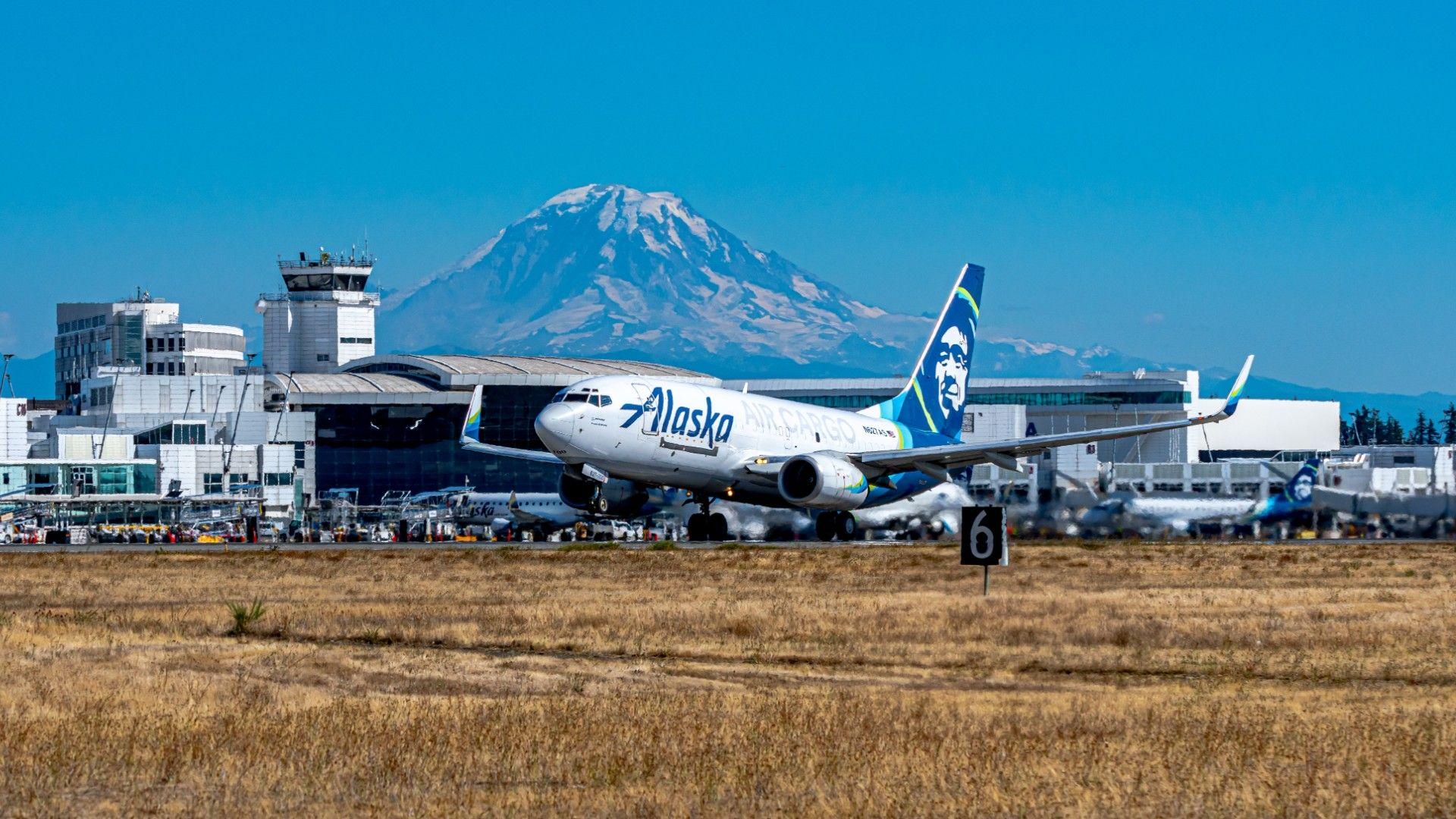
Maximizing Efficiency: Alaska Airlines to Retire Boeing 737-700s by 2027
Latest on Alaska Airlines Fleet: Alaska Airlines is preparing a significant shift in its operational strategy by phasing out its Boeing 737-700 passenger aircraft. This strategic move aims to streamline the alaska airlines fleet for greater efficiency and improved service capabilities. By 2027, the carrier will complete this transition to modernize its regional operations.
This shift focuses on enhancing airline cargo capacity across its network. Larger aircraft offer more space for essential goods moving through the system. Upgrading the alaska airlines fleet ensures that the company remains competitive and prepared for future growth.
Optimizing the Alaska Airlines Fleet Strategy
The upcoming boeing 737-700 retirement marks a turning point for the carrier. Management intends to replace these smaller models with larger, more versatile airframes. Integrating these newer jets into the alaska airlines fleet allows for higher passenger volume per flight.
The boeing 737-800 transition provides the necessary physical space to move more inventory. This change is vital for routes that require both high passenger counts and substantial belly cargo. Maintaining a modern alaska airlines fleet is a core priority for the company’s long-term success.
Enhancing Connectivity for Remote Community Transportation
The impact of this update extends deep into alaska arctic air travel networks. Many isolated regions depend entirely on these flights for survival and commerce. Improving remote community transportation remains a fundamental requirement for the carrier's mission.
The transition offers several key benefits for these critical routes
- Increased volume for medical supplies and food deliveries.
- Greater passenger seating capacity on high-demand regional flights.
- Improved operational efficiency for the alaska airlines fleet.
These advancements ensure that the alaska airlines fleet can support isolated populations more effectively. Expanding cargo space helps stabilize supply chains in regions where surface transport is impossible. Residents in these areas will see improved reliability as the fleet upgrades occur.
Future Outlook for Regional Operations
The decision to retire the older series reflects a commitment to operational excellence. By focusing on the 737-800, the airline simplifies its maintenance and training requirements. A standardized alaska airlines fleet reduces complexity for flight crews and ground personnel alike.
This long-term planning positions the carrier to handle rising demand across its network. The company is actively preparing its logistics for the shift scheduled for 2027. Consistent investment in the alaska airlines fleet remains the primary method for meeting regional needs.
In conclusion, the transition away from the 737-700 is a calculated move toward greater capacity and efficiency. By prioritizing larger aircraft, the airline strengthens its role in critical logistics and passenger travel. These updates ensure that the alaska airlines fleet continues to provide essential services to the communities that rely on it most.
More updates
Follow the latest Hospitality News and related coverage.