Best Jets International Secures E170 Certification for Charter
Best Jets International has secured FAA Part 121 certification for two 60-seat E170s, opening a new market for sports teams, corporate groups and oil crews.
 Jishan Khan
Best Jets Just Spent Two Years Getting Permission to Fly College Football Teams and Oil Rig Crews, the E170 Is the Whole Reason Why
Minnesota-based Best Jets International received FAA Part 121 supplemental certification, completing a process that traces back to at least early 2025, and enabling the company to operate two 60-seat Embraer E170s for larger group charter alongside two existing 30-seat executive-configured E170s already flying under Part 135. Vice president of commercial operations Troy Salwei framed the milestone plainly: it lets the company "better serve customers requiring larger-capacity charter solutions." What that sentence understates is exactly how deliberately Best Jets has engineered its entire business around one specific gap in the US charter market, the space between private jet charter and scheduled commercial airline service that almost nobody else occupies with this particular aircraft.
Why the Embraer E170 Is Exactly What Best Jets Wants as Regional Airlines Retire It
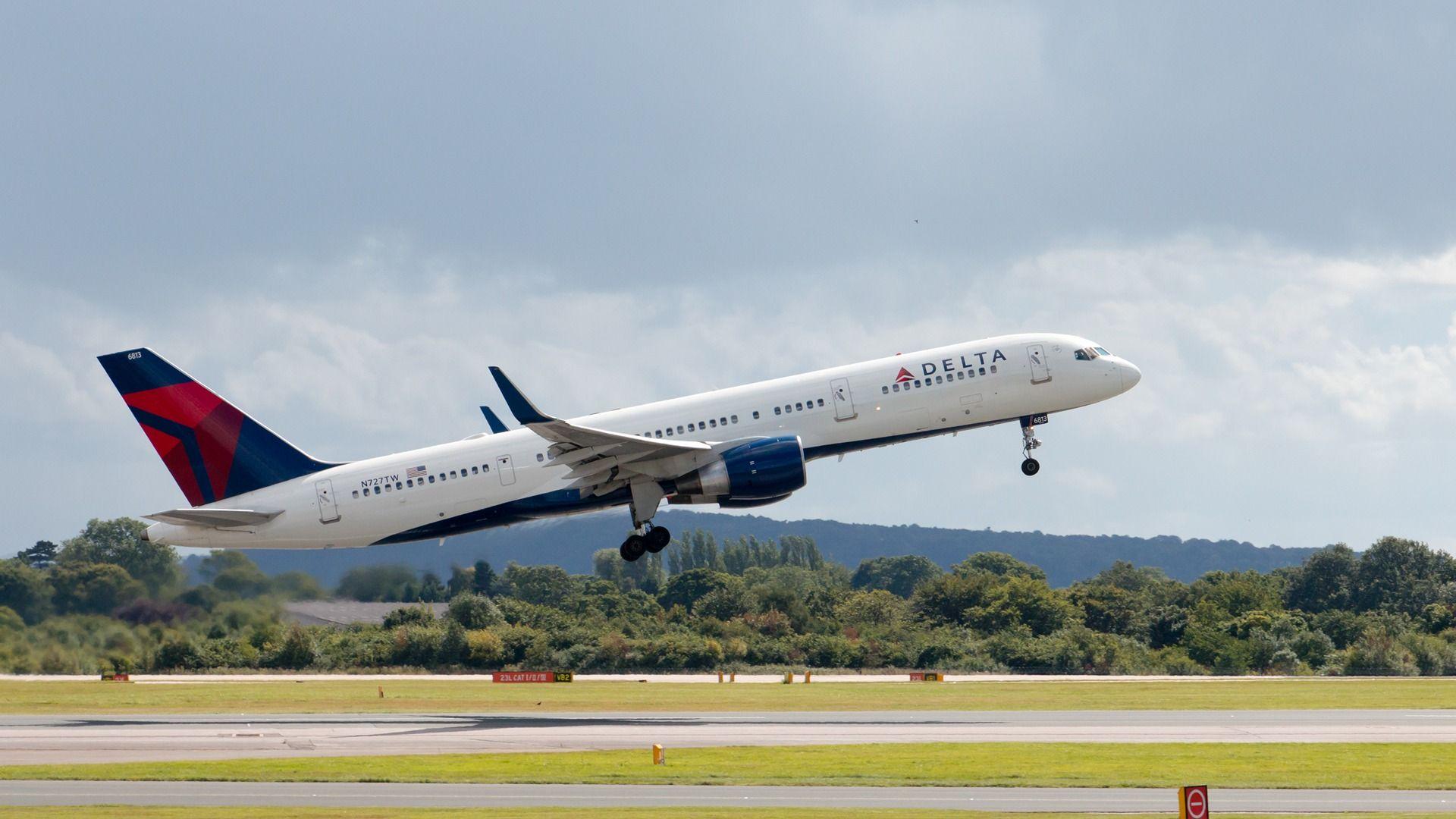
The Embraer E170 has an unusual second-act story in US aviation. It was originally built and deployed en masse by US regional carriers, Republic Airlines took delivery of its first E170s back in 2005 specifically to fly under the US Airways Express brand, and the type became a workhorse of American regional feeder networks for the better part of two decades. As regional airlines have gradually shifted toward larger E175s and other updated equipment better suited to major-carrier capacity purchase agreements, a meaningful population of well-maintained, mid-life E170 airframes has become available on the secondary market at a fraction of new-aircraft cost.
That secondary-market availability is precisely what makes the E170 attractive to an operator like Best Jets in a way it would not be attractive to a major scheduled carrier. A 60-to-70-seat aircraft with genuine airline-grade range, reliability and passenger comfort, acquired well below the cost of ordering new-build regional jets, gives a charter operator the capacity to serve group sizes that private jets cannot accommodate economically, sports teams, corporate delegations, tour groups, without the capital intensity of operating a full-size narrowbody fleet built for scheduled network flying.
Why Two Best Jets E170 Aircraft Stay Under Part 135 While Two Move to Best Jets Part 121
The regulatory split Best Jets has built into its fleet is not incidental, it reflects two genuinely different business lines requiring two different certification frameworks. Part 135 governs on-demand charter operations, typically for smaller aircraft and smaller passenger groups, with a regulatory structure built around the flexibility of unscheduled, customized flying. Part 121, the same certification framework that governs every scheduled US major and regional airline, carries substantially more stringent requirements around crew training, maintenance oversight, operational redundancy and safety management systems, precisely because it is designed for higher-capacity, higher-frequency commercial passenger operations.
Best Jets completing FAA-administered proving runs on August 6, flights conducted under real operational conditions specifically so FAA inspectors can evaluate a certificate applicant's personnel, aircraft, maintenance programs and procedures in practice rather than on paper, was the final substantive hurdle before this certification, following what the company itself described as a process stretching back to plans outlined in early 2025. Keeping the two 30-seat E170s under the lighter Part 135 framework while dedicating the two 60-seat aircraft to Part 121 supplemental operations lets Best Jets serve smaller executive and VIP charter groups without carrying the full compliance overhead of Part 121 across its entire fleet, while still unlocking that higher regulatory tier specifically for the larger-capacity missions that actually require it.
Who Is Actually Chartering 60-Seat E170 Charter Aircraft, and Why the List Reads Like a Corporate Travel Wishlist
Best Jets has been explicit about exactly who its Part 121 capacity is built for: corporations, professional sports teams, college athletic programs, music and entertainment groups, and VIP travelers, alongside expanded corporate shuttle programs targeting industries with recurring workforce travel needs, oil and gas, financial services, manufacturing, retail, banking, and government agencies. That list is not random. It describes precisely the customer categories that have historically been forced to choose between two unsatisfying options: booking commercial airline group blocks with all the schedule inflexibility and security friction that involves, or chartering multiple smaller private jets at a cost multiple that makes moving 40 or 50 people prohibitively expensive.
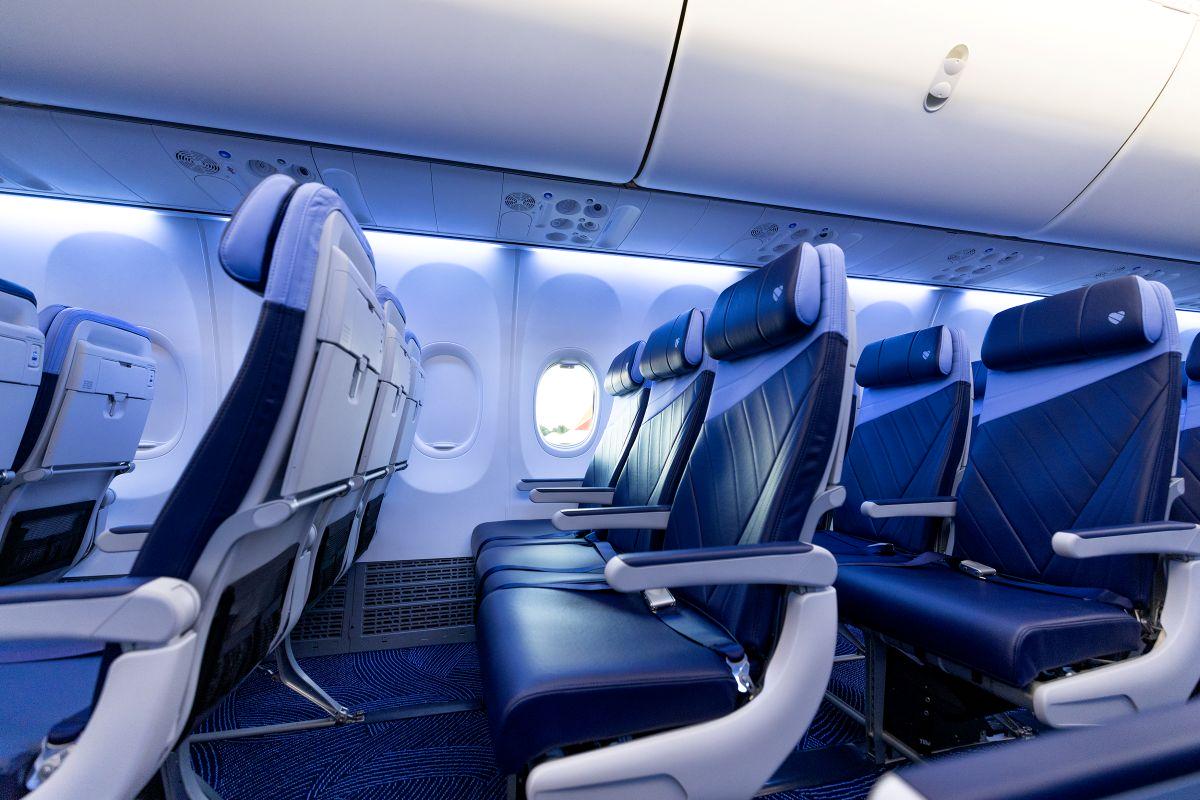
A college football team traveling to an away game, an oil and gas company rotating rig crews between remote sites and regional hubs, or a corporate group flying employees to a conference all share the same underlying need, moving a mid-sized group efficiently, on a schedule the group controls rather than an airline's published timetable, without either the security-line friction of commercial flying or the exorbitant per-seat cost of chartering several separate business jets. A 60-seat E170 configured for exactly this mission, operated by an outfit large enough to run it reliably but nimble enough to build a schedule entirely around one customer's needs, fills that gap with genuine precision.
Why the Best Jets Embraer E170 Charter Model Sits at the Frontier Between Business Aviation and Scheduled Airlines
Best Jets expansion is a small but genuinely instructive data point in a broader trend this feed has tracked across the private and business aviation sector throughout 2026, operators increasingly blurring the traditional line between bespoke private jet charter and scheduled-airline-style group transportation. Where Priester Aviation and Solairus Aviation have been consolidating traditional aircraft management fleets at scale, and where PeakJet's semi-private scheduled model in Switzerland has been selling individual seats on executive jets, Best Jets is approaching the same underlying market gap from yet another angle, using regional-airline-grade aircraft, under regional-airline-grade regulatory certification, but deployed with the total scheduling flexibility of a charter operator rather than a fixed published timetable.
What Best Jets Certification Means for the E170 Charter Aircraft Market
That positioning matters because it suggests the boundary between "business aviation" and "commercial airline" is becoming less a hard regulatory line and more a spectrum that operators are learning to occupy strategically, choosing exactly the certification tier, aircraft size and fleet mix that lets them serve a specific, underserved customer segment without needing to become either a full private-jet operator or a scheduled airline in the conventional sense. Best Jets' four-aircraft, dual-certification E170 fleet, based across the Midwest and Florida, is a comparatively small operation by the standards of this feed's usual subject matter, but the strategic logic behind it is a genuinely useful lens on where a meaningful slice of US group air travel demand is migrating