Ambuja Neotia Group to Develop Rs 700 Crore Integrated Healthcare and Hospitality Project in Guwahati
Ambuja Neotia Group plans a Rs 700 crore integrated healthcare and hospitality project in Guwahati, aiming to boost medical tourism and infrastructure in Northeast India.
 nishathapa
 Ambuja Neotia Group to Develop Rs 700 Crore Integrated Healthcare and Hospitality Project in Guwahati
The Ambuja Neotia Group has announced plans to develop an integrated healthcare and hospitality project in Guwahati with an investment of approximately Rs 700 crore, aiming to strengthen medical infrastructure and promote healthcare tourism in Northeast India. The project is expected to combine advanced medical facilities with hospitality services, catering to both domestic and international patients seeking treatment and accommodation in the region.
The development will be located in Guwahati, Assam’s largest city and a key gateway to the Northeast, and is designed to address the growing demand for quality healthcare services while supporting the hospitality sector. The initiative reflects a broader trend of integrating healthcare and hotel infrastructure to enhance patient experience and attract medical tourists.
According to the company’s announcement, the project will include a multi-specialty hospital along with a hotel facility, creating a comprehensive ecosystem that allows patients and their families to access medical care and accommodation within the same premises.
Focus on Medical Tourism and Regional Growth
The integrated project is expected to play a significant role in positioning Guwahati as a hub for medical tourism in Northeast India. The region has been witnessing increasing demand for advanced healthcare services, with many patients traditionally traveling to metropolitan cities for treatment.
By establishing a modern healthcare facility within the region, the project aims to reduce the need for long-distance travel while providing high-quality medical services locally. The addition of hospitality infrastructure is intended to support patients, attendants, and visiting medical professionals.
Medical tourism has emerged as a growing segment within India’s hospitality industry, with patients seeking affordable and high-quality treatment options. Integrated healthcare-hospitality projects are designed to enhance convenience and comfort for patients, making them an important component of this sector.
Strategic Importance of Guwahati
Guwahati has increasingly become a focal point for infrastructure development in Northeast India due to its connectivity, economic activity, and strategic location. The city serves as a major transportation and commercial hub, linking the Northeast with the rest of the country.
The development of healthcare and hospitality infrastructure in Guwahati is expected to strengthen its position as a regional center for services, attracting patients from neighboring states as well as nearby countries.
Improved connectivity through air, rail, and road networks has further enhanced the city’s accessibility, making it a suitable location for large-scale projects that cater to both local and international demand.
Industry experts note that such projects can contribute to regional development by generating employment and encouraging investment in related sectors.
Integrated Model of Healthcare and Hospitality
The combination of healthcare and hospitality services within a single development reflects a growing trend in the industry. Integrated facilities aim to provide a seamless experience for patients by offering medical treatment, accommodation, dining, and other support services in one location.
This model is particularly beneficial for patients undergoing long-term treatment or those traveling from distant locations, as it reduces logistical challenges and improves overall convenience.
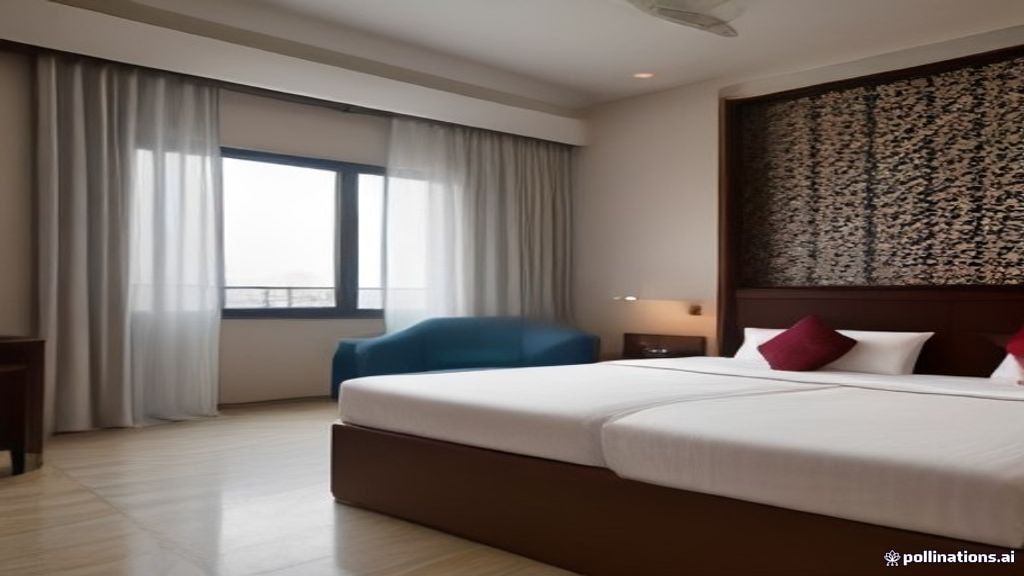
Hospitality components in such projects typically include hotel rooms, serviced apartments, and amenities designed to meet the needs of patients and their families.
The integration also allows healthcare providers to maintain closer coordination with accommodation services, ensuring that patients receive consistent care and support throughout their stay.
Investment and Economic Impact
The Rs 700 crore investment underscores the scale of the project and its potential impact on the local economy. Large-scale developments of this nature often generate employment opportunities during both construction and operational phases.
Once completed, the project is expected to create jobs in healthcare, hospitality, administration, and support services. Additionally, it may stimulate demand for local suppliers, transport services, and other ancillary industries.
The development could also contribute to increased tourism activity in the region by attracting visitors who combine medical treatment with travel experiences.
Such investments are seen as part of a broader effort to enhance infrastructure in Northeast India and promote balanced regional growth.
Expansion Strategy of Ambuja Neotia Group
The Ambuja Neotia Group has been actively expanding its presence across sectors including real estate, healthcare, and hospitality. The Guwahati project represents a strategic move to enter the Northeast market with a focus on integrated developments.
The group has previously undertaken similar projects that combine multiple service offerings, reflecting its approach to creating diversified infrastructure assets.
By investing in emerging regions, the company aims to tap into underserved markets while contributing to regional development.
The Guwahati project aligns with this strategy by addressing both healthcare and hospitality needs within a single development framework.
Growing Demand for Integrated Infrastructure
The demand for integrated healthcare and hospitality infrastructure has been increasing in India as patients seek more comprehensive and convenient service offerings. Hospitals are increasingly collaborating with hospitality providers to enhance patient experience and satisfaction.
This trend is also driven by the rise of medical tourism, which requires high standards of accommodation and support services in addition to medical expertise.
Integrated developments can help bridge gaps in infrastructure by providing coordinated services that meet the expectations of modern travelers and patients.
As the healthcare sector continues to evolve, such projects are expected to play a larger role in shaping the future of medical services in the country.
Future Outlook
The proposed project in Guwahati is expected to contribute to the long-term growth of both healthcare and hospitality sectors in Northeast India. By combining medical facilities with accommodation services, the development aims to create a comprehensive ecosystem that supports patient care and tourism.
Industry observers believe that similar projects may emerge in other regions as demand for integrated services continues to grow.
The success of such developments will depend on effective execution, quality of services, and the ability to attract patients and visitors from across regions.
With construction and planning expected to progress in phases, the project marks a significant step toward enhancing infrastructure in Guwahati.
The Ambuja Neotia Group’s initiative reflects the increasing convergence of healthcare and hospitality as India’s infrastructure landscape continues to evolve.
The project is currently in the development stage, with further details on timelines and execution expected to be announced in due course.