Armani Hotel Dubai Closes for Full Refurbishment, Targets Q4 2026 Reopening
Armani Hotel Dubai has shut for a full-scale refurbishment from April 2026, with reopening planned in Q4 2026 as part of a wider luxury hotel upgrade trend in Dubai.
 Pratyaksha Singh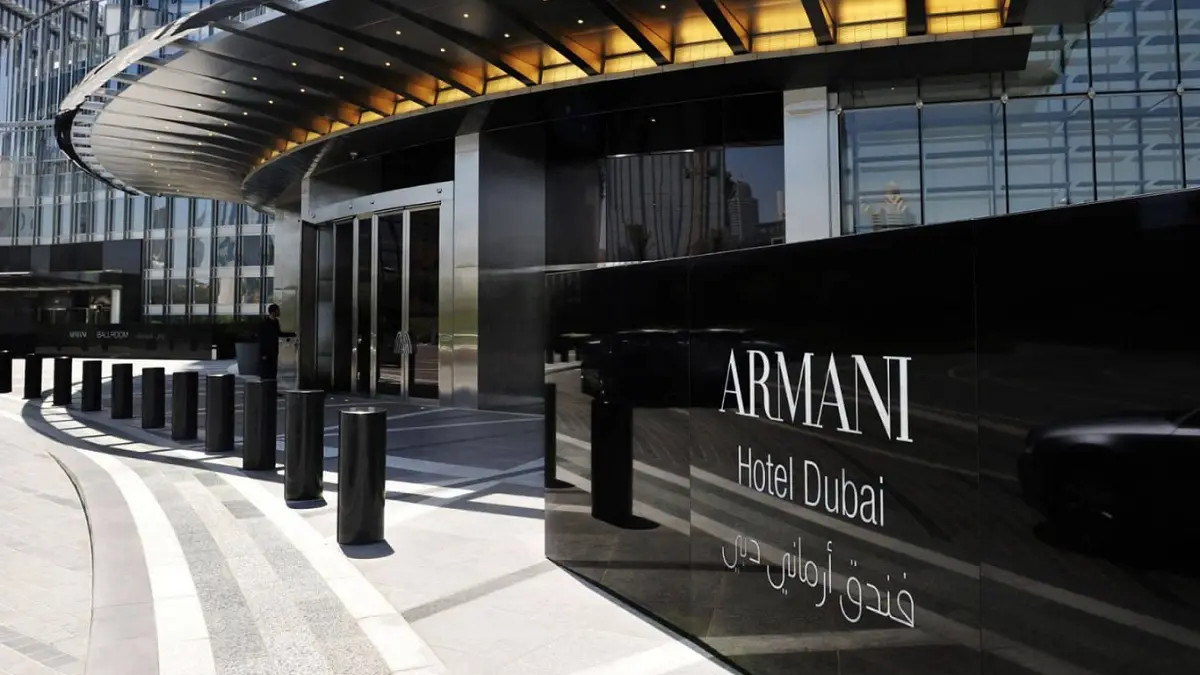
Dubai, April 2026 — Armani Hotel Dubai has temporarily ceased operations from April 1, 2026, to undertake a comprehensive refurbishment programme, with the luxury property expected to reopen in the fourth quarter of 2026. The closure removes one of Downtown Dubai’s most prominent hotels from active inventory during the renovation period.
The hotel, located within the Burj Khalifa, confirmed that the shutdown is part of a full-scale upgrade aimed at redefining its guest experience while retaining its established brand identity. Booking platforms currently show no availability for the property until at least January 4, indicating an extended period of closure during the redevelopment phase.
Full-Scale Refurbishment to Redefine Guest Experience
The refurbishment project is positioned as a complete transformation rather than a partial upgrade. According to the hotel’s statement, the initiative will focus on enhancing all aspects of the guest journey, aligning the property with evolving expectations in the luxury hospitality segment.
The operator has indicated that the renovation will maintain the core design philosophy associated with the Armani brand while introducing updated elements to modernise the offering. The redevelopment is expected to cover both physical infrastructure and experiential components, although specific details on design changes or investment scale have not been disclosed.
This approach reflects a broader shift in luxury hospitality, where established properties are undergoing periodic reinvention to remain competitive in rapidly evolving markets.
Strategic Location in Burj Khalifa Adds Market Significance
Armani Hotel Dubai holds a distinctive position within the city’s hospitality landscape due to its location inside the Burj Khalifa, the world’s tallest building. Since its opening in 2010, the property has been recognised as the first hotel to carry the Armani brand, contributing to its global visibility.
The hotel’s integration within a landmark structure has made it a key component of Dubai’s luxury tourism offering, attracting both international travellers and high-profile clientele. Its temporary closure is therefore significant not only for the property itself but also for the premium segment of the city’s hotel market.
As one of the most recognisable branded hotels in Downtown Dubai, its absence during the refurbishment period is likely to influence short-term room supply within the luxury category.
Dubai Sees Wave of Luxury Hotel Renovations
The closure of Armani Hotel Dubai comes amid a wider trend of refurbishment and restoration projects across Dubai’s established hotel portfolio. Several high-profile properties have either paused operations or announced temporary shutdowns to undergo upgrades.
Among them, St. Regis The Palm has closed for enhancements, while Park Hyatt Dubai is scheduled to begin its final phase of renovation from May 1, with works expected to continue for approximately six months. Additionally, the Burj Al Arab has entered a major restoration programme projected to last around 18 months.
This cluster of renovation activity indicates a strategic cycle within Dubai’s hospitality sector, where mature assets are being repositioned to meet changing guest preferences and maintain competitiveness in an increasingly sophisticated market.
Operational Impact and Market Dynamics
The temporary closure of multiple luxury hotels, including Armani Hotel Dubai, reflects a calculated approach by operators to invest in long-term asset value, even at the cost of short-term operational disruption. For the duration of the refurbishment, the hotel will remain unavailable for bookings, reducing available inventory in the high-end segment.
Such closures are typically timed to align with broader market conditions, allowing operators to complete upgrades before peak demand cycles. The targeted reopening in Q4 2026 suggests that the property aims to re-enter the market ahead of a key travel period.
At the same time, these refurbishment initiatives highlight the importance of continuous investment in physical assets and service design within the luxury hospitality sector. As guest expectations evolve, particularly around design, technology, and personalised experiences, hotels are increasingly required to undertake comprehensive upgrades rather than incremental improvements.
Positioning for Post-Renovation Relaunch
While detailed plans for the upgraded offering have not been released, the repositioning of Armani Hotel Dubai is expected to focus on reinforcing its identity as a design-led luxury destination. The refurbishment is likely to emphasise a balance between brand heritage and contemporary hospitality standards.
The hotel’s planned return in Q4 2026 will mark the next phase in its lifecycle, as it re-enters a competitive luxury market shaped by both new developments and upgraded legacy properties. The outcome of the refurbishment will play a key role in determining its positioning within Dubai’s evolving hospitality landscape.
The closure and redevelopment of Armani Hotel Dubai underline a broader industry pattern, where long-established luxury hotels are undergoing transformation to sustain relevance, enhance guest experience, and align with the future direction of global hospitality.