Delhi Hotel Fire Tragedy Exposes Critical Hotel Fire Safety Failures
Delhi Hotel Fire death toll rises to 22 as investigations reveal hotel fire safety lapses, safety violations, and emergency preparedness failures.
 Pratyaksha Singh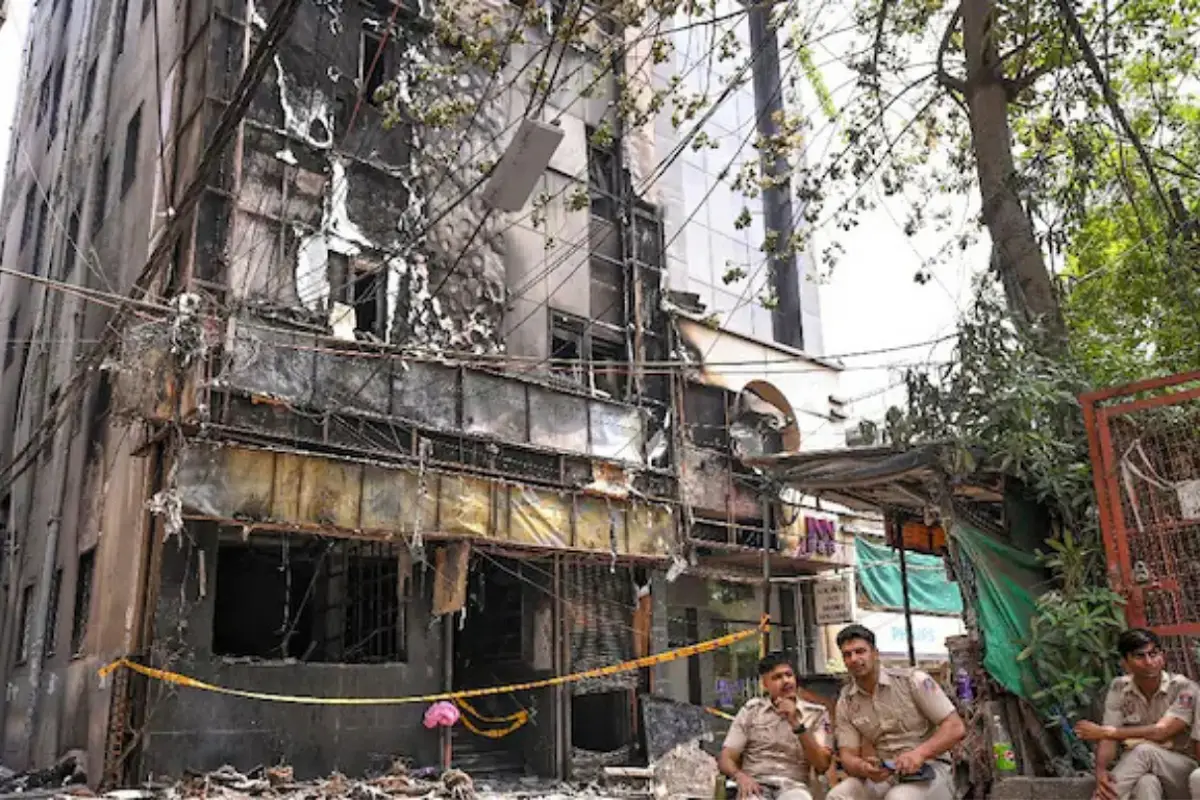
Delhi Hotel Fire Tragedy Exposes Critical Hotel Fire Safety Failures
The Delhi Hotel Fire continues to raise serious concerns about hotel fire safety and emergency response standards across the hospitality sector. The death toll from the tragic blaze at Flourish Stays B&B in South Delhi has risen to 22 after a Nigerian national, who suffered severe burn injuries, died during treatment.
The victim, identified as Okale, had been receiving intensive medical care following the devastating hotel fire incident that occurred in Malviya Nagar earlier this week. Authorities confirmed that despite extensive treatment, he succumbed to his injuries, making him the latest casualty in one of Delhi’s deadliest hotel fires in recent years.
Delhi Hotel Fire Investigation Reveals Safety Concerns
Investigators are examining multiple factors that may have contributed to the Delhi Hotel Fire. Police have already arrested the hotel owner and a cook employed at the property.
According to preliminary findings, negligence may have played a role in triggering the blaze. Officials are also investigating possible hotel safety violations and unauthorized construction within the property.
The investigation aims to determine whether lapses in management and operational practices contributed to the rapid spread of the fire.
Hotel Fire Safety Protocols Under Scrutiny
Authorities have reported several deficiencies related to fire safety protocols at the establishment.
Evidence suggests that the hotel operated significantly more rooms than permitted under its approved licensing conditions. Investigators are also examining reports of inadequate ventilation systems and restricted emergency access routes.
These findings have intensified discussions regarding hotel fire safety standards and regulatory compliance within the hospitality industry.
Emergency Preparedness Failures Raised Risks
One of the most concerning findings involves emergency preparedness measures at the property.
Reports indicate that firefighters encountered difficulties accessing certain areas of the building during rescue operations. Emergency responders reportedly had to force entry into locked sections while attempting to rescue trapped guests.
Experts emphasize that effective emergency preparedness plans, clearly marked evacuation routes, and regular safety drills are essential for protecting lives during emergencies.
Guest Safety in Hotels Remains a Priority
The Delhi Hotel Fire has renewed attention on the importance of guest safety in hotels.
Hospitality businesses are expected to maintain functioning fire detection systems, emergency exits, evacuation plans, and staff training programs. Compliance with safety regulations helps reduce risks and ensures guests can be evacuated quickly during emergencies.
Industry professionals note that investing in hotel fire safety measures is not only a regulatory requirement but also a responsibility toward guests and employees.
Lessons for the Hospitality Industry
The Delhi Hotel Fire serves as a reminder of the critical importance of safety compliance in hospitality operations.
As investigations continue, authorities are expected to review building approvals, operational procedures, and adherence to fire safety protocols. The findings may influence future safety inspections and enforcement measures across the sector.
For hotel operators, the incident highlights the need for stronger emergency preparedness, stricter adherence to safety regulations, and ongoing investments in guest safety in hotels.
The tragedy has left families grieving and has sparked wider discussions about accountability, safety standards, and risk management in the hospitality industry. As the investigation progresses, industry stakeholders will closely watch the outcome and any measures introduced to prevent similar incidents in the future.
Read More: Hotel Fire Safety Best Practices for Hospitality Businesses