England Tourist Tax 2026 Unveiled by Ministers
England Tourist Tax 2026 plans would let mayors charge a nightly levy on hotel and Airbnb stays, raising hundreds of millions for local investment.
 RUKAIYA KADIWAL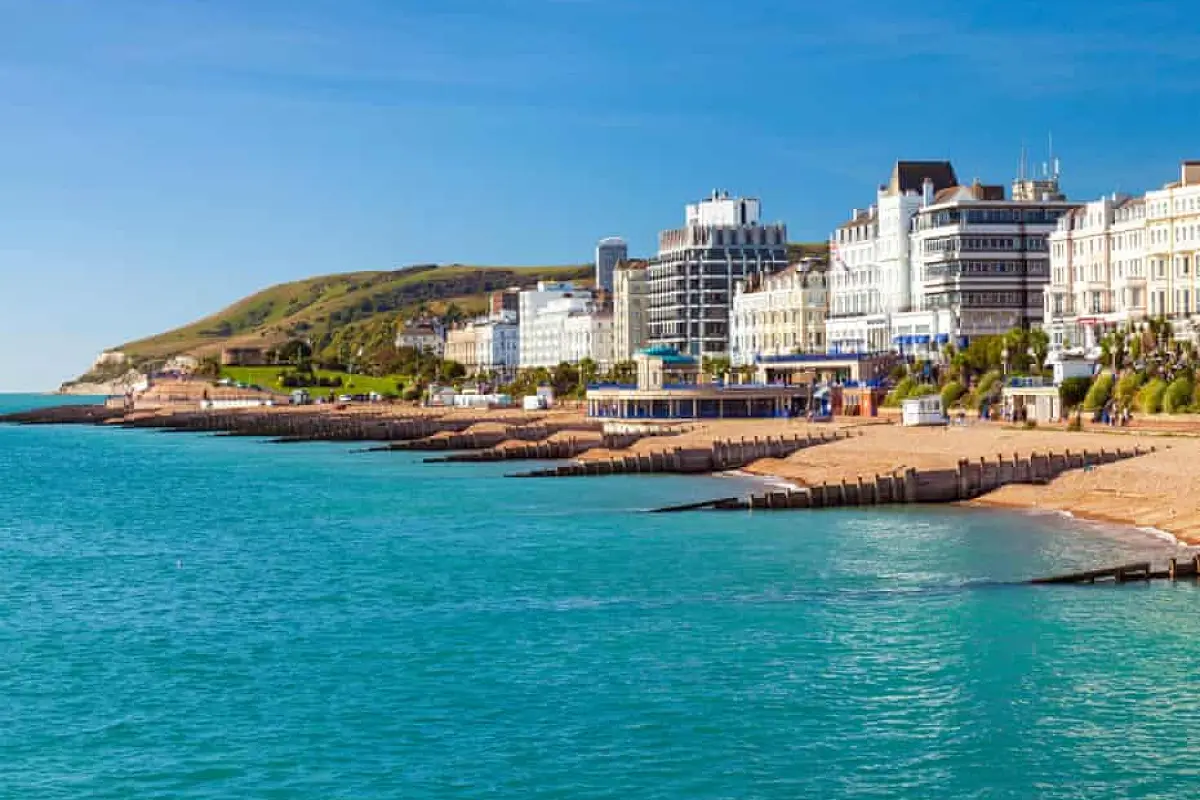
Sunlight catches the white facades lining Eastbourne's seafront, hotel windows glinting above a shingle beach where holidaymakers still gather despite September's cooling air. Beachy Head rises in the distance, a familiar backdrop to a coastline that has welcomed British holidaymakers for generations. Soon, a stay in a room behind one of those windows may cost a little more, as England Tourist Tax 2026 plans move from proposal toward reality under new government devolution powers.
Holidaymakers will face a nightly levy on hotel and Airbnb style stays in England under plans ministers are due to outline, giving mayors new powers to charge visitors directly. The idea, widely labelled a tourist tax, was first raised by Keir Starmer's government in November and closely mirrors a scheme already running in Scotland.
How the Levy Would Actually Work
The proposal would allow mayors to charge a fee to visitors staying overnight, with the power to decide how the resulting revenue gets invested locally. That structure hands considerable discretion to regional leaders rather than imposing a single, nationwide rate dictated entirely from Westminster.
The tax could raise hundreds of millions of pounds for mayors to direct toward transport and public services, a meaningful revenue stream for regions eager to fund infrastructure improvements. Housing secretary Angela Rayner is meeting mayors this week and is expected to outline that the levy will be charged as a percentage of accommodation costs rather than a flat fee, a structure intended to protect budget conscious travellers from a disproportionate burden.
Hospitality Industry Voices Sharp Concern
Mayors are expected to be given latitude to decide what works best for their own area, though ministers reportedly do not expect the levy to become excessively costly. That reassurance has done little to ease concern within the hospitality sector itself.
Allen Simpson, chief executive of UKHospitality, warned that the plans would put jobs at risk in some communities, pointing specifically to Edinburgh's existing tourism tax as already having damaging effects. He told BBC Radio 4's Today programme that holidays in the UK were already more expensive than they appeared because of higher VAT, adding that what's being proposed amounts to an open ended power for mayors to set tourism taxes at any level they want. He noted that cities like Paris, Rome and Berlin do charge small tourism taxes, but those levies remain capped, unlike the open ended structure now under consideration in England.
Concrete Fears for Seasonal Businesses
Simpson also raised specific concerns about how the levy could affect operators running on tighter seasonal margins. He said it will be the case that holiday parks won't be able to open during shoulder seasons, adding that holidaymakers will simply have that little bit less money in their pocket once the added cost is factored in.
That warning matters particularly for coastal destinations like Eastbourne, where hospitality businesses already depend heavily on a compressed summer season to sustain operations through quieter months. An added nightly charge, however modest, could tip marginal bookings toward cancellation during precisely the periods when local hotels most need the business.
A Policy Rooted in Devolution
The overnight visitor levy was first outlined in the king's speech back in May, though legislation was never brought forward before Starmer stepped down as prime minister. Andy Burnham is now likely to pitch the policy as part of his own wider devolution agenda, positioning it within a broader push to hand regional leaders greater fiscal control.
As mayor of Greater Manchester, Burnham already introduced a city visitor charge in April 2023, a modest £1 per room per night fee designed to fund measures aimed at attracting more tourists to the region. Last year, other mayors, including London's Sadiq Khan, wrote directly to the culture secretary and then chancellor urging government to introduce a broader visitor levy nationally.
London's Position and What a Cap Might Look Like
Sources from the London mayor's office indicated that plans to structure the payment as a percentage rather than a flat fee were welcome, though no decisions had yet been finalised regarding the scheme's design or how revenues would ultimately be allocated. Those same sources said any levy in London would not exceed 5% of accommodation costs, adding that the approach would really help support the city's growth and its offer to visitors. Further details on England's tourism sector are available on the official VisitBritain website.
How This Compares Across Britain
Edinburgh became the first city in Scotland to introduce a tourist tax, set at 5% starting in July, after the Scottish parliament passed legislation last year granting councils the power to implement their own visitor levies independently. In Wales, councils will gain the power to charge £1.30 per person per night on most accommodation types starting in April 2027, extending a similar devolution approach across a third UK nation.
UKHospitality, representing thousands of restaurants, hotels and pubs, has warned that a 5% tourism tax would rank among the highest tourist tax rates anywhere in Europe, hitting households already struggling with the broader cost of living. The organisation has written to Burnham urging him to instead consider a holiday bonus alternative, under which central government revenues would be devolved to local authorities based directly on the number of visitors a region attracts, rather than through a direct charge on travellers themselves.
Precedent From Cities Around the World
Tourist taxes are hardly unique to Britain. Similar levies are common across Europe and the rest of the world, used in cities including New York, Barcelona and Venice specifically to fund local services that tourism itself places strain upon. That international precedent gives England's proposal a familiar shape, even as domestic hospitality voices push back against its specific structure and potential scale.
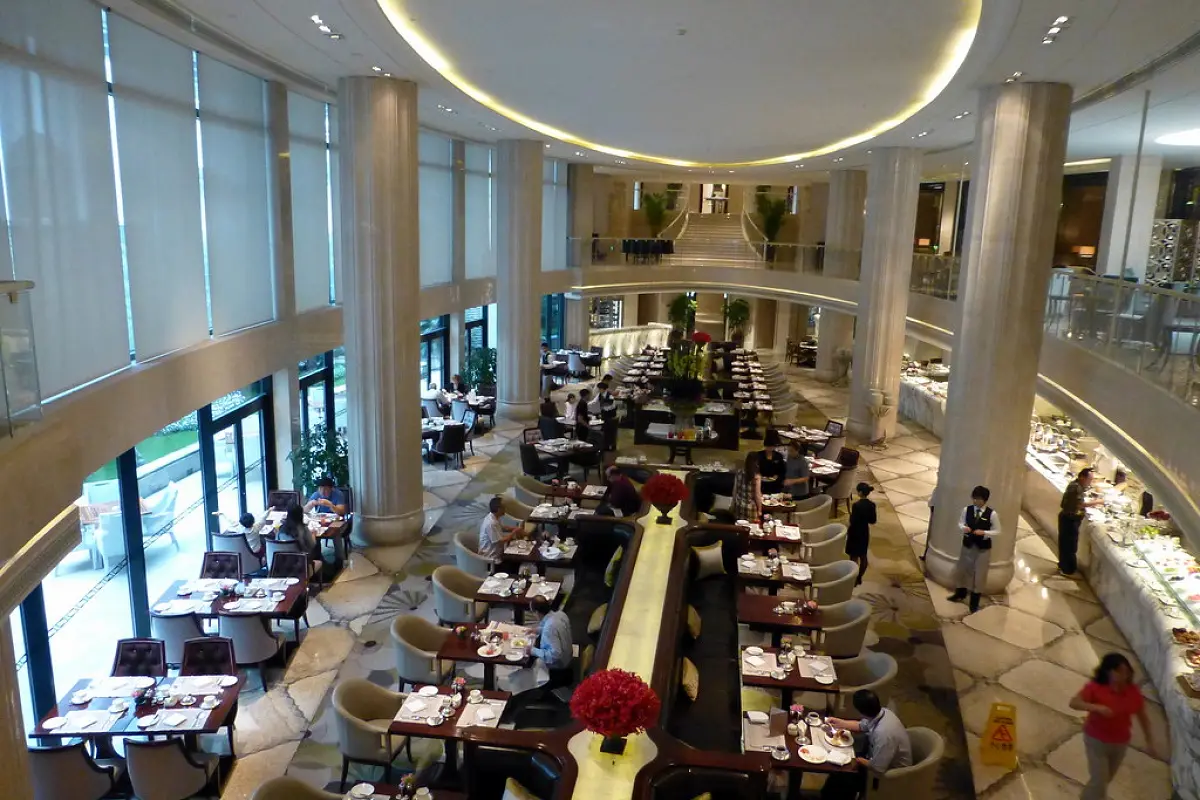
For hoteliers and Airbnb hosts along stretches of coastline like Eastbourne's, that global context offers little immediate comfort, since the practical impact of any new charge will be felt locally, in booking decisions made by travellers weighing whether a seaside weekend still fits comfortably within their budget. Hospitality operators navigating shifting cost structures continue adapting their spaces to meet evolving guest expectations regardless of policy pressures, a theme also visible in ongoing conversations around how hotel lobby design continues evolving to meet modern traveller needs, where properties increasingly seek fresh ways to justify their value to increasingly cost conscious guests.
What Comes Next for England's Coastline
No 10 has previously indicated that local leaders would be able to set out plans for how revenues will be invested by March 2028, suggesting the practical rollout of any levy remains still some years away from actual implementation. Whether that timeline holds, and whether the eventual design leans closer to London's proposed percentage cap or the more open ended structure Simpson has warned against, will shape how deeply English hospitality businesses feel this change once it finally arrives.
For now, the sun continues warming Eastbourne's seafront hotels much as it always has, guests checking in and out along a coastline that has weathered economic shifts before. Whatever additional charge eventually appears on a hotel bill, the deeper question facing England's tourism industry remains whether that modest nightly levy becomes simply another line item travellers absorb without complaint, or the small addition that finally tips a budget conscious getaway toward a different, untaxed destination altogether.