New Zealand Hotel Market 2026 Strengthens as Demand Outpaces Supply
New Zealand Hotel Market 2026 enters a stronger phase as occupancy and rates grow, visits improve and new supply slows, with Auckland events lifting demand.
 RUKAIYA KADIWAL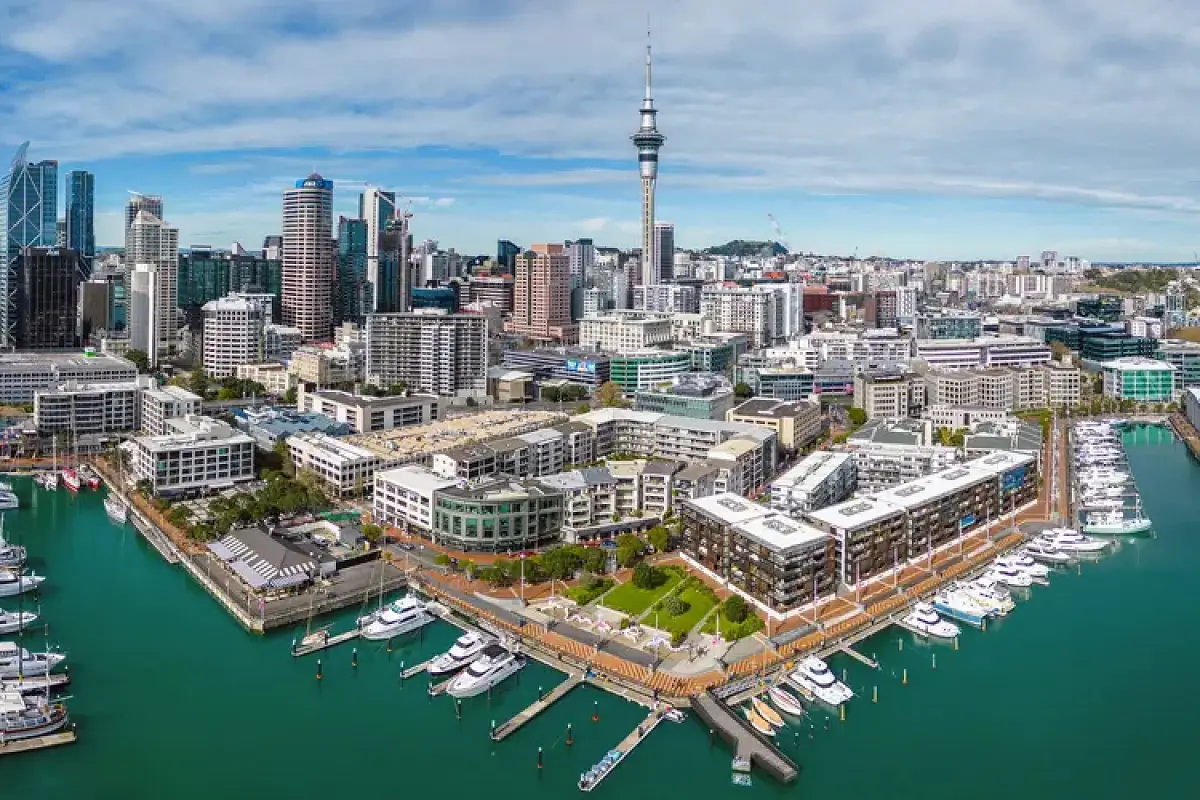
From above, Auckland's waterfront looks like a harbour that never sits still. Yachts line the marinas, glass towers crowd the shore, and the Sky Tower rises over the city. Behind that picture sits a hopeful business story about the New Zealand Hotel Market 2026.
New Zealand's hotel sector has entered a stronger phase of recovery. Sustained occupancy and average daily rate growth are supporting it. International visitation is improving. The rate of new supply is slowing. Together, these shifts define the New Zealand hotel market recovery now under way.
Demand Is Growing Faster Than Supply in the New Zealand Hotel Market 2026
The headline idea is simple. New Zealand hotel demand is rising faster than the number of new rooms. That gap gives hotels more pricing strength. It is a clear sign of Hotel demand growth New Zealand operators can feel.
Two measures stand out. The first is New Zealand hotel occupancy, which has been sustained. The second is New Zealand hotel ADR, which has also grown. Higher occupancy and higher rates together lift the overall New Zealand hotel performance.
Why Auckland Leads the Story
Auckland is where the pattern is easiest to see. The Auckland hotel market has benefited from overlapping events. Concerts, sports events, festivals, group business and conventions have all played a part. When events overlap, rooms fill across the same nights. This is what market compression looks like.
Group business has helped too. Group occupancy rose by about 2 percentage points through June. That followed the opening of the New Zealand International Convention Centre. It is one specific figure, and it shows how a single venue can change Auckland hotel demand. For anyone tracking Auckland hotels 2026, it is a useful marker.
Tourism and the Slower Pipeline
The wider New Zealand tourism recovery supports the trend. Improving New Zealand international tourism brings more guests to the same limited stock of rooms. A slower supply pipeline means fewer new hotels compete for them. Existing owners gain, at least in the short term.
This is why the New Zealand hotel industry is watching supply so closely. Rising demand is welcome. But it is the shape of New Zealand hotel supply that decides how long the good run can last.
A Fair Look at What Is Known
A careful reading matters here. The full report is written by Matthew Burke for STR and sits behind a CoStar subscription. Only the summary and one photo caption were available for this article. Occupancy levels, rate figures and supply numbers were not shared.
That limits what can be said. The 2 percentage point rise in group occupancy is the only hard number. Readers should treat the wider claims as a direction, not a measurement. Hotel brands elsewhere are also planning far ahead, as in the plan for Nobu Hotel and Restaurant San Juan.
What a Full Harbour Suggests
A busy harbour rarely explains itself. Boats come and go, and the towers behind them keep their lights on. The New Zealand hotels 2026 story reads much the same way. Demand is visible, and the reasons behind it are layered.
Perhaps the lesson is patience. A stronger phase is not a permanent one, and supply will eventually return. For now, the New Zealand Hotel Market 2026 offers owners a rare thing in hospitality. More people want the rooms than the market can easily provide.
Find out more about the data provider on its official website: https://www.costar.com/