Global Hotel Market News: London, Sydney and France Shift
Global hotel market news from CoStar reveals London's tallest planned hotel hitting a hurdle, Sydney supply pressures, and France tightening property oversight.
 RUKAIYA KADIWAL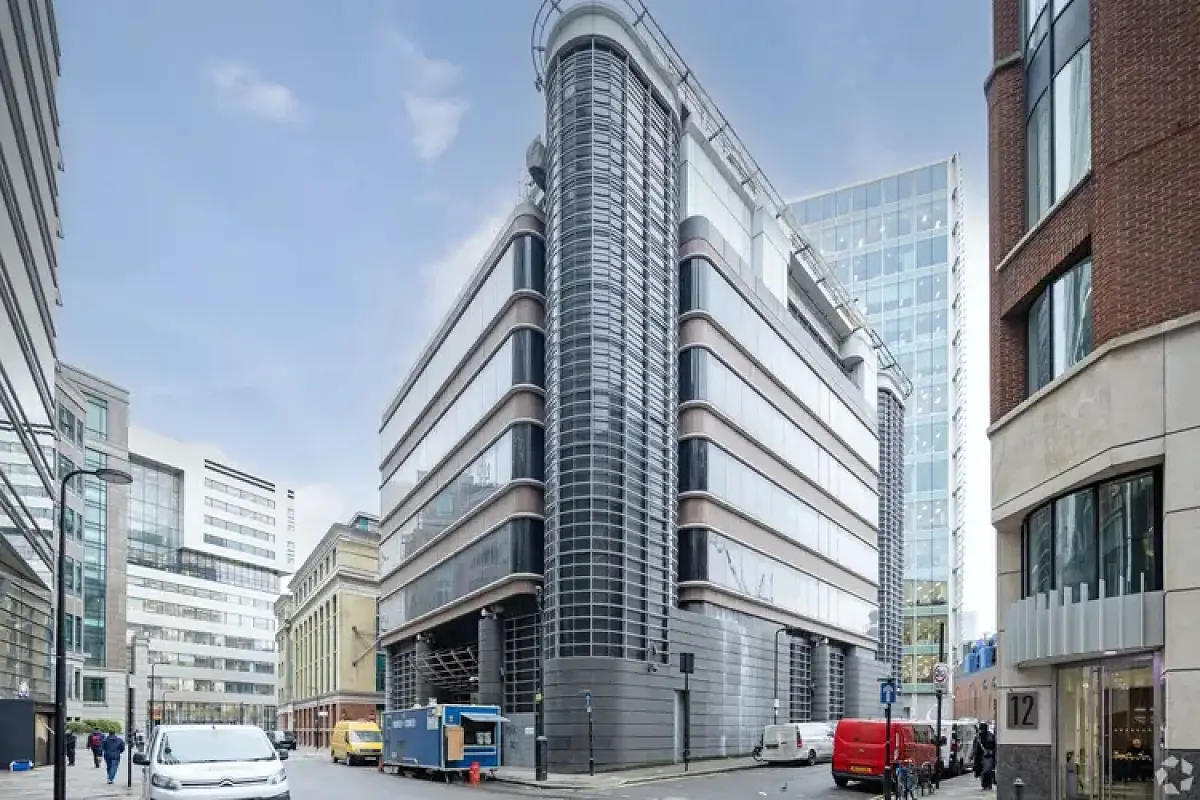
Three cities, three different problems, and the same underlying pressure running through all of them. On a single Wednesday morning in August 2026, the global hotel market offered a snapshot of an industry still navigating the gap between demand and the physical, regulatory, and financial constraints that determine how quickly supply can respond to it. London's Square Mile hit a planning obstacle. Sydney was running short on rooms. France was tightening its grip on state-owned assets. Taken individually, each story belongs to a specific city. Taken together, they describe a global hotel market under a particular kind of pressure, one where development ambition and structural constraint are colliding at speed.
Global Hotel Market News Signals Pressure Across Three Continents
CoStar's global hotel market news digest for 27 August 2026 surfaced a pattern that analysts tracking international hospitality supply have been watching develop across the year. The three markets it highlighted, London, Sydney, and France, sit on different continents and operate under different regulatory and economic conditions. What connects them is a shared experience of constraint arriving at a moment when travel demand has pushed hotel performance to levels that would normally incentivize rapid construction and new development.
Instead, the news from each city describes a more complicated picture, one in which the appetite for new hotel supply is running into obstacles that range from planning authority decisions to supply squeezes to government oversight policy, a combination that slows the market's ability to respond to the demand already sitting in front of it.
London's City District and the Hurdle at Bavaria House
The City of London, a district whose hotel inventory has historically lagged behind the volume of business travelers passing through its financial and legal corridors, is facing a setback in its most ambitious planned addition. A hotel proposed for the site currently occupied by a property known as Bavaria House would, if completed, become the tallest hotel in the City of London district, a distinction that carries both commercial and architectural weight in a skyline still absorbing the towers built over the past decade.
The planning hurdle the project has encountered is significant precisely because of what it represents for the district's hospitality supply. London's City core has seen sustained demand from corporate travelers, conference attendees, and international visitors with business in the Square Mile, demand that the existing hotel inventory has not always been able to absorb without pushing rates to levels that push some guests toward other districts. A project of this scale hitting a planning obstacle means that supply gap persists longer than the development pipeline had suggested it would.
Sydney's Supply Squeeze and the Conversion Response
In Sydney, the constraint is coming from a different direction. The city's hotel supply squeeze has become pronounced enough that the market is beginning to respond not by building new hotels from the ground up, where cost and timeline pressures have made conventional development increasingly difficult, but by converting existing properties into hotel accommodation instead.
Hotel conversions carry a different risk and return profile than ground-up development. They can be brought to market faster, often at lower cost, and without the full exposure to construction inflation that has complicated new hotel projects across most major cities in recent years. Sydney's turn toward conversions as a response to a tightening supply environment reflects a pragmatic adaptation to market conditions rather than a failure of ambition, though it also signals that the city's development economics have shifted enough to change what type of new hotel supply is actually being built.
France Tightens Oversight of State-Owned Property
The French component of the day's global hotel news involves a different kind of institutional dynamic. France's government has moved to boost oversight of state-owned property, a shift that carries implications for the hospitality sector wherever state-owned assets intersect with hotel development or conversion activity. Tighter oversight of this kind typically introduces additional layers of approval, valuation scrutiny, and process requirements that affect how quickly and easily state-held properties can be repositioned for hospitality use.
For developers and hotel operators looking at state-owned sites in France as potential development opportunities, the change represents a regulatory environment becoming more demanding at a moment when the country's tourism sector remains one of the most active in Europe. Whether tighter oversight improves outcomes for the state or simply adds friction to a development process already navigating planning, financing, and operational complexity is a question the French hotel market will be answering in real time over the coming years.
What These Three Stories Say About the Global Hotel Industry
Reading the three stories together, the pattern that emerges is not one of a global hotel market in crisis but of one in tension, between the demand that justifies new supply and the structural, regulatory, and financial conditions that determine how fast and in what form that supply can actually arrive. London's planning hurdle, Sydney's supply squeeze, and France's tightened oversight are each local expressions of a global dynamic in which the hotel industry's ability to respond to demand has been consistently constrained by forces that operate independently of occupancy rates and average daily rate performance.
That tension matters for anyone tracking the hospitality industry because it shapes the competitive environment for existing supply, the financial case for new development, and the strategic decisions hotel companies make about where and how to grow. A market where new supply is slow to arrive is one where existing operators maintain pricing power longer than they might in a more freely building environment, but also one where guests in supply-constrained markets face less choice and higher rates than they would if development were moving at the pace demand appears to justify.
A Market Still Finding Its Balance
Somewhere between a planning committee in London, a conversion project in Sydney, and a government oversight directive in France, the global hotel market is working through its current chapter in the way markets always do, imperfectly, unevenly, and at a pace that satisfies no one entirely. The buildings that will eventually open in each of these markets, whether on the Bavaria House site or in a converted Sydney office tower or on a French state-owned parcel newly released to development, will serve guests who may never know how long it took to get them built. That distance between the complexity of supply and the simplicity of a hotel stay is, in its own way, what the hospitality industry has always been managing, and what it continues to manage now.
Related reading: Bar of the Year Awards 2026 crowns Ireland's finest bars