Heritage Day 2026: Hotels Highlight India’s Cultural Legacy Through Restored Properties and Experiential Stays
Hotels across India showcase heritage-driven hospitality on Heritage Day 2026, highlighting restored properties, cultural experiences, and immersive stays in destinations like Amritsar, Udaipur, Jodhpur, and Pushkar.
 nishathapa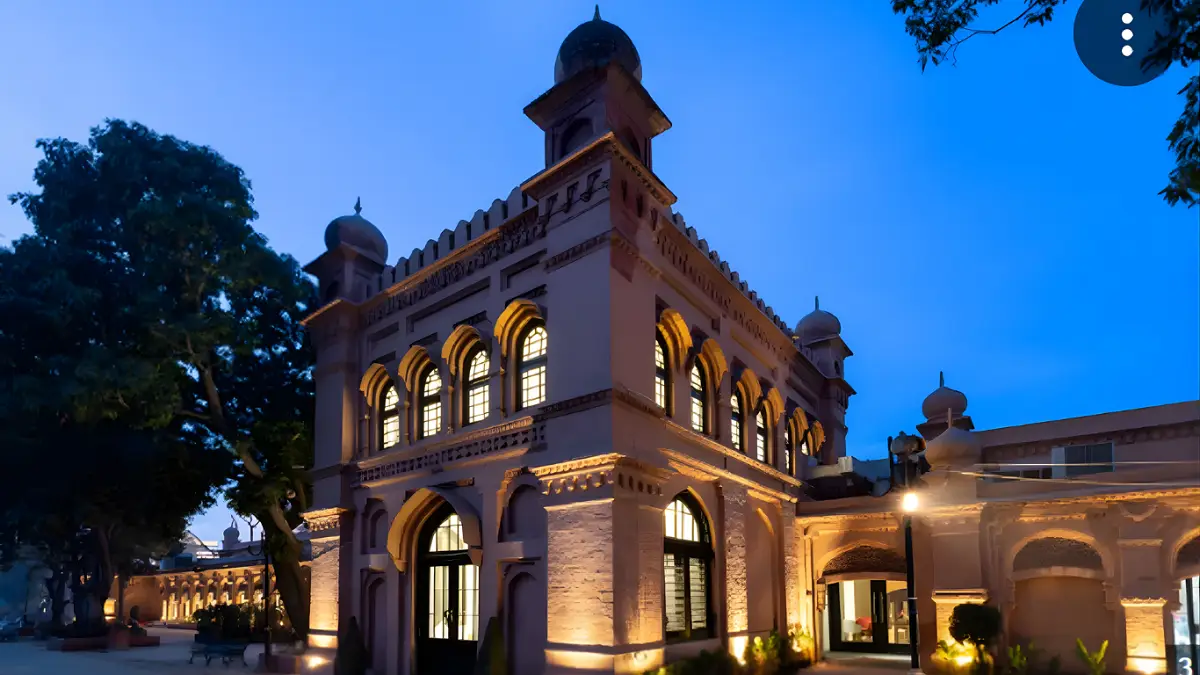
New Delhi, April 20, 2026: India’s hospitality sector marked Heritage Day 2026 by showcasing a portfolio of heritage-driven hotels and experiential stays across key cultural destinations, with properties in Amritsar, Udaipur, Jodhpur, and Pushkar highlighting how restored architecture and curated guest experiences are shaping demand in experiential travel.
The initiative reflects a broader shift in the hospitality industry, where hotels are increasingly positioning themselves as custodians of cultural identity rather than just accommodation providers. By integrating heritage architecture, local traditions, and immersive guest engagement, operators are aligning with evolving traveller preferences for culturally rooted and experience-led stays.
Restored Heritage Assets Drive Hospitality Positioning
Among the highlighted properties is The Earth Amritsar, Trademark Collection by Wyndham, a hotel housed in a 130-year-old structure that previously functioned as the Victoria Jubilee Hospital. The property has been restored to retain its Victorian architectural elements, including high ceilings, arched corridors, and open spaces, while incorporating modern hospitality features.
Located in central Amritsar, the hotel’s positioning leverages proximity to key cultural and spiritual landmarks, aligning with demand for heritage-integrated urban stays. The adaptive reuse of a historic building reflects a growing trend in hospitality where legacy structures are repurposed to create differentiated guest experiences.
Udaipur Properties Blend Royal Architecture with Modern Luxury
In Rajasthan, multiple properties are reflecting the integration of heritage design with contemporary hospitality. The Radisson Blu Palace Resort & Spa in Udaipur operates within a setting inspired by royal architecture, offering views of lakes and palaces while incorporating traditional design elements into its guest experience.
The resort combines heritage aesthetics with curated cultural programming, including traditional performances, regional cuisine, and proximity to landmarks such as City Palace and Fateh Sagar Lake. This approach positions the property within the experiential luxury segment, where cultural immersion is a key differentiator.
Similarly, Wyndham Grand Udaipur Fateh Sagar Lake operates along Fateh Sagar Lake with palace-inspired architecture set against the Aravalli Hills. The property integrates design elements reflective of Rajasthan’s royal past while offering modern amenities, targeting travellers seeking a combination of cultural context and contemporary comfort.
Urban Heritage Destinations Expand Experiential Offerings
In Jodhpur, Stamps by Eight Continents is positioned within the city’s historic landscape, providing access to major landmarks such as Mehrangarh Fort and Umaid Bhawan Palace. The property focuses on combining modern accommodation standards with the cultural identity of the destination, catering to travellers exploring heritage cities.
The model reflects a wider industry approach where urban hotels in heritage destinations act as gateways to local culture, enabling guests to engage with historic sites while maintaining contemporary comfort levels.
In Pushkar, another property under the same brand operates within a pilgrimage-driven heritage environment. Located near temples, ghats, and traditional markets, the hotel integrates local design elements and offers access to cultural experiences such as heritage walks and interactions with local communities.
Experiential Travel Trends Shape Hospitality Strategy
The emphasis on heritage-driven hospitality aligns with changing travel patterns, where guests increasingly prioritise meaningful engagement over conventional sightseeing. Hotels are responding by curating experiences that connect travellers with local history, architecture, and cultural practices.
This shift is also influencing destination positioning, particularly in heritage-rich regions such as Rajasthan and Punjab, where cultural assets provide a strong foundation for differentiated hospitality offerings. Properties are leveraging architecture, cuisine, and storytelling to create immersive environments that extend beyond standard accommodation.
The approach is evident across both restored heritage properties and newly developed hotels designed to reflect regional identity. In both cases, the objective is to create a sense of place that resonates with travellers seeking authenticity and cultural depth.
Hospitality Sector Aligns Growth with Cultural Preservation
The Heritage Day showcase highlights how the hospitality sector is increasingly aligning growth strategies with cultural preservation. By investing in restoration, design authenticity, and local engagement, hotels are contributing to the conservation of heritage assets while generating tourism-driven economic activity.
This model also supports the broader tourism ecosystem, as heritage-led hospitality encourages longer stays, higher guest engagement, and increased spending across local communities. The integration of cultural elements into hotel operations is emerging as a key driver of value in India’s evolving tourism landscape.
As demand for experiential travel continues to rise, heritage-focused hospitality is expected to remain a central pillar of the industry, particularly in destinations where history, architecture, and cultural identity form the core of the travel experience.