Hotel Checkout Times And Guest Rights
Hotels worldwide are tightening checkout times citing staffing and costs but guests still have rights to negotiate flexible stays under hospitality norms
 Pratyaksha Singh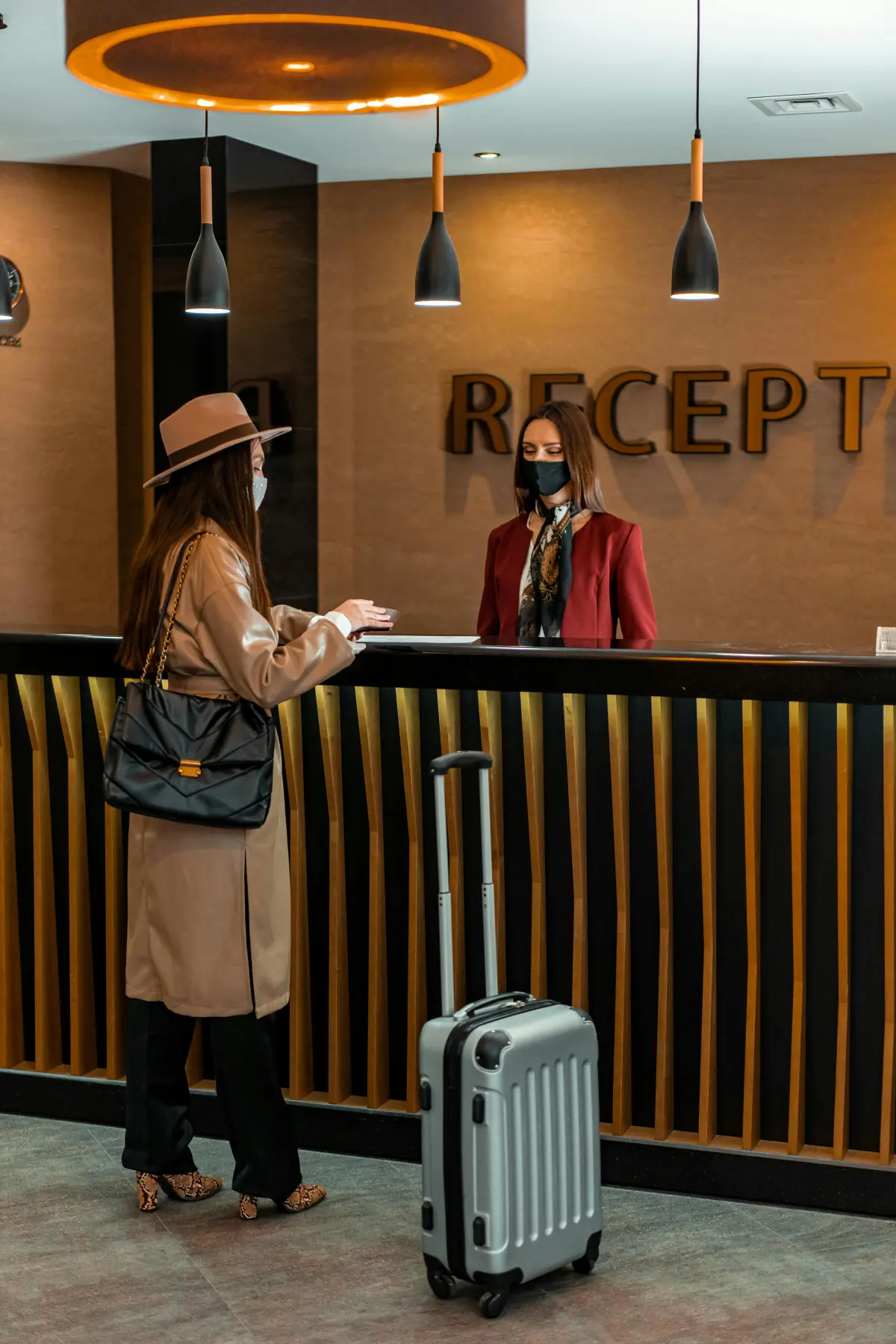
Delhi and other global travel hubs are witnessing rising guest frustration as hotels enforce earlier checkout times and rigid check in policies raising questions about hospitality standards in a post pandemic travel economy.
Industry data and traveller accounts suggest that checkout windows once seen as flexible are increasingly fixed at 10 AM or earlier while early check in and late checkout now come with additional charges. This shift is being felt acutely by long haul travellers business guests and families who often face extended waits with luggage after overnight journeys.
Hospitality consultants attribute the tightening policies largely to a sustained housekeeping shortage that began during the pandemic and has yet to ease. With fewer staff managing the same inventory hotels require longer turnaround periods between guests reducing operational flexibility. Rooms that once took half an hour to service now often require nearly double the time particularly in large urban properties.
However industry analysts say staffing is only part of the story. Hotels are also under pressure to optimise revenues amid rising energy costs wages and compliance expenses. Paid early check in and late checkout services have quietly become a supplementary income stream especially in premium city hotels where occupancy remains strong.
Despite the stricter stance travellers retain more negotiating power than commonly assumed. Check in and checkout times are policy driven rather than statutory obligations meaning hotels can exercise discretion based on occupancy guest profile and booking channel. Direct bookings typically provide greater leverage as hotels avoid third party commission costs and prioritise relationship driven customers.
Loyalty programmes further strengthen a guest’s position even at entry level tiers. Frequent guests who return to the same property often benefit from informal flexibility as familiarity builds trust and operational confidence. Some hotels have also begun experimenting with guest centric models where keys are delivered once rooms are ready reducing lobby congestion and improving arrival experience.
Consumer advocates argue that rigid enforcement undermines the core ethos of hospitality particularly in destinations positioning themselves as sustainable and inclusive tourism hubs. Forcing early departures often increases idle waiting time transport inefficiencies and unnecessary resource consumption countering sustainability commitments many hotel brands publicly endorse.
Experts advise travellers to communicate timing needs in advance speak directly with hotel management and frame requests as collaborative problem solving rather than demands. Business travellers may also reference corporate relationships which hotels are reluctant to jeopardise over minor timing accommodations.
As hotels balance operational realities with guest expectations the debate around checkout rigidity reflects a broader challenge facing the industry. Hospitality brands are being tested on whether efficiency driven policies can coexist with humane service models that respect traveller well being while supporting sustainable urban tourism ecosystems.