Kempinski Acquires Augustine Hotel Prague in Landmark Ownership Shift
Kempinski acquires the 101-room Augustine Hotel in Prague, marking its first property purchase in over 50 years and a shift toward asset ownership.
 Pratyaksha Singh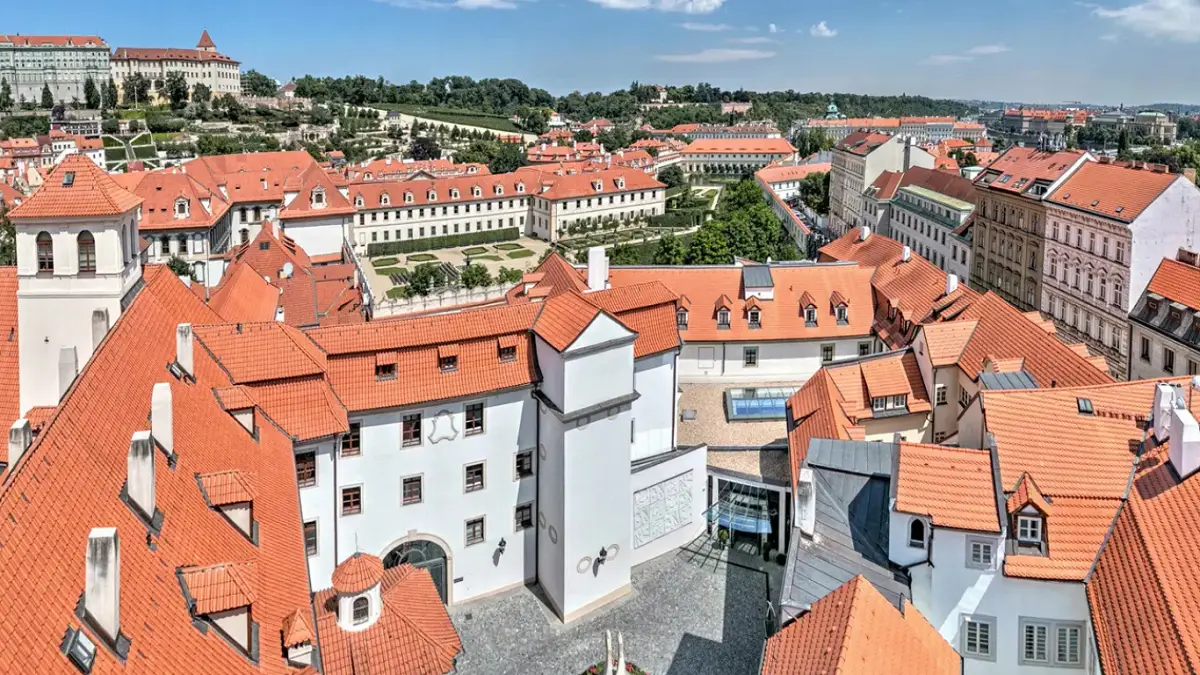
Kempinski Hotels has acquired the 101-room Augustine Hotel in Prague, marking its first property acquisition in more than five decades and signalling a strategic shift toward direct ownership of landmark assets. The historic property is located in the Malá Strana district, within the grounds of the Augustinian Monastery of St. Thomas.
The transaction represents a notable change in the group’s long-standing asset-light approach, with leadership now placing greater emphasis on owning culturally significant properties. The acquisition also strengthens Kempinski’s presence in Central Europe’s luxury hospitality segment.
Historic Monastery Property with 101 Rooms
The Augustine Hotel comprises 101 guest rooms, including 20 suites, many of which retain original architectural elements such as vaulted ceilings and exposed wooden beams from the monastery’s former living quarters. The property occupies a defined section of the monastery complex, which dates back over 800 years.
The site remains partially active as a religious institution, with an ongoing presence of Augustinian monks who continue their daily routines within the broader complex. This coexistence of hospitality and monastic life is a defining feature of the property’s identity.
In addition to accommodation, the hotel includes multiple dining venues, two bar concepts—one located in the former monastery dining hall—a spa and fitness centre, a historic library, meeting and event spaces, and landscaped outdoor areas including gardens and terraces.
Shift Toward Asset-Heavy Strategy
The acquisition reflects a broader strategic adjustment by Kempinski, which has traditionally operated under a management-focused model. By acquiring the Prague property, the group is moving toward a more asset-heavy portfolio, focusing on ownership of select high-value and historically significant hotels.
This approach is intended to provide greater control over operations, design, and guest experience. Ownership enables the company to directly influence product positioning, service delivery, and long-term asset value, particularly in key gateway destinations.
The Prague acquisition is described as a rare opportunity to secure a property with strong cultural and historical relevance in a high-demand luxury market. It also aligns with a growing industry trend where operators selectively invest in flagship assets.
Refurbishment and Rebranding Timeline
Following the acquisition, the Augustine Hotel began operating as a white-label luxury property from 1 April 2026. A phased refurbishment program is planned, focusing on upgrading guest rooms and public spaces while preserving the building’s historical character.
The renovation strategy aims to balance modern hospitality standards with heritage conservation. Design interventions will be implemented carefully to maintain the authenticity of the monastery setting, while enhancing functionality and guest comfort.
The property is expected to be officially rebranded under the Kempinski name in late 2026. Once completed, it is likely to serve as a flagship example of the group’s evolving brand direction.
Positioning in Prague’s Luxury Market
Prague continues to attract strong demand from international luxury travellers, supported by its architectural heritage and central location in Europe. The Augustine Hotel has historically catered to a global clientele, including political figures, cultural personalities, and business leaders.
The property’s location in Malá Strana, near Prague Castle, places it within one of the city’s most visited and historically significant districts. This positioning enhances its appeal as a destination hotel offering both cultural immersion and high-end accommodation.
With the acquisition, Kempinski is expected to strengthen its competitive positioning in the city’s luxury segment, where demand remains driven by heritage experiences and destination-led travel.
Focus on Cultural Identity and Guest Experience
The acquisition aligns with Kempinski’s broader brand direction, which emphasises individuality and local cultural integration over standardised luxury formats. The group aims to enhance the guest experience through design, culinary offerings, and wellness concepts tailored to the property’s historical context.
By leveraging the unique characteristics of the Augustine Hotel, the company intends to create a differentiated offering that reflects Prague’s cultural heritage. This includes integrating storytelling, architecture, and local influences into the overall guest journey.
The move highlights a growing focus within the luxury hospitality sector on experiential travel, where properties are defined by their connection to place rather than uniform brand standards.
The Augustine Hotel acquisition represents a key milestone in Kempinski’s strategic evolution, combining ownership, heritage preservation, and experiential luxury within a single asset in one of Europe’s most established tourism markets.