Loya Mumbai Anniversary Menu Celebrates Himalayan Cuisine
Loya Mumbai anniversary menu features Himachali Akotri and regional North Indian dishes to celebrate the restaurant’s first year.
 nishathapa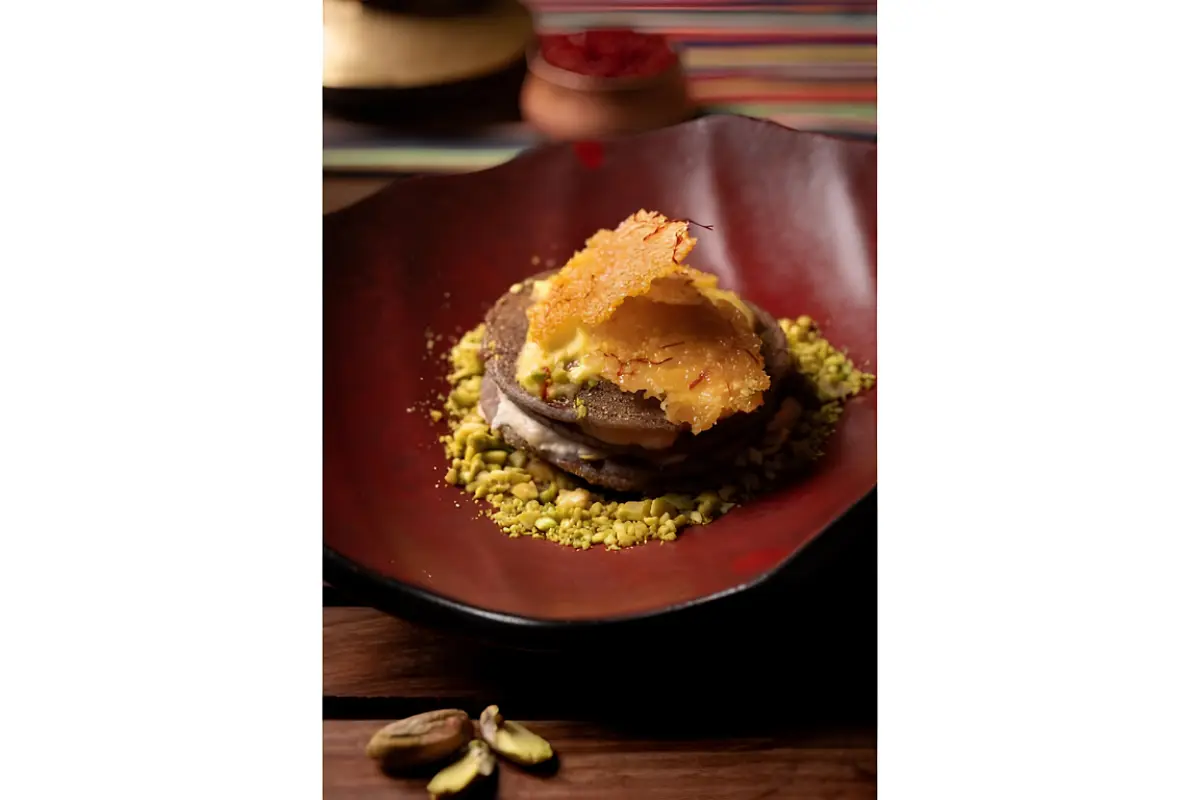
MUMBAI, May 27, 2026: Loya, the Mumbai restaurant built around the principle of recovering and reinterpreting India's lesser-known regional cooking traditions, has added Akotri to its menu to mark its first anniversary. The dish is rooted in Himachali kitchen history, a traditional buckwheat pancake breakfast from the mountain villages of Himachal Pradesh, and has been reimagined at Loya as a dessert, using buckwheat, coconut milk, jaggery, rabdi, and saffron to build something that belongs equally to the highlands it comes from and the fine-dining table it now arrives on.
The choice of dish to mark a first anniversary is deliberate and says something clear about what Loya believes in. A restaurant celebrating twelve months of cooking could choose its most photographed dish, its most popular booking driver, or its most technically complex preparation. Loya has chosen a buckwheat pancake from Himachal Pradesh that most people in Mumbai have never heard of. That choice is the story.
What Akotri is, and where it comes from
Akotri is a traditional Himachali breakfast preparation, made from buckwheat flour and cooked as a simple pancake in homes across the hill districts of Himachal Pradesh. Buckwheat, known locally as ogla or kotu, has been cultivated in the Himalayan foothills and high-altitude farming communities for centuries. It is a crop suited to short growing seasons and thin mountain soils, which made it a staple in households that could not always rely on wheat or rice.
In its original form, Akotri is humble: a morning food, eaten warm, sustaining, made from what the land provides. It is not a dish that has travelled. It has not made the journey from Himachali kitchens to Indian fine dining menus because nobody thought to bring it. Until now.
How Loya Mumbai anniversary menu has reinterpreted the dish as a dessert
The Loya version takes the buckwheat foundation, its earthy, faintly nutty flavour and the slight chew that makes it so satisfying in the original breakfast context, and builds a dessert vocabulary around it. Coconut milk adds a gentle creaminess that softens the grain's rougher edges without erasing them. Jaggery brings unrefined sweetness with a depth that white sugar cannot replicate, caramel-adjacent, molasses-tinged, rooted. Rabdi, the slow-reduced thickened milk preparation from North Indian sweet-making tradition, adds richness and texture, a dense counterpoint to the lightness of the coconut milk. Saffron threads the whole composition together with warmth and fragrance, lifting the dessert from comfort food into something more considered.
The result, as the restaurant describes it, is a dessert that balances earthy depth with soft sweetness, a phrase that sounds straightforward but represents a genuine culinary tension that the dish has to hold. Buckwheat is not a background flavour. It is specific and assertive. Making it work in a dessert context alongside rabdi and saffron without one element dominating the others is the kind of restraint that distinguishes a thoughtful kitchen from a merely competent one.
Why this matters: India's forgotten dishes and who rescues them
The wider project that Akotri belongs to, the recovery and recontextualisation of underrepresented regional Indian food, is one that only a small number of Indian restaurants are seriously attempting. Most fine dining menus in India, particularly in Mumbai, draw from a narrow repertoire of dishes that have already achieved national recognition: the curries, the biryanis, the tandoor preparations, the Mughal-derived royal kitchen canon. The regional cooking of mountain communities, tribal groups, and smaller linguistic regions rarely makes it to the plate.
The reasons are practical as much as culinary. Ingredients are hard to source consistently at scale. The techniques are often oral traditions rather than written recipes. The communities who hold these dishes are not represented in the national food media ecosystem that drives restaurant menus. Bringing a Himachali buckwheat breakfast to a Mumbai fine dining table requires more than a recipe. It requires a research commitment, a sourcing commitment, and a belief that the dish deserves the journey.
Loya's philosophy: narrative as the guiding principle
Loya's approach, as the restaurant has articulated it consistently, treats each dish not just as a preparation but as a narrative rooted in place, memory, and tradition. That framing is not marketing language. It is a working methodology. A dish at Loya is chosen because it has a story, a geography, a community, a history of use, and the kitchen's task is to honour that story while making the dish accessible and pleasurable for a contemporary diner who has no prior relationship with it.
Akotri, on its first anniversary, is the clearest articulation yet of what that methodology produces. A dish from a Himalayan village breakfast table, transported to a Mumbai fine-dining menu, transformed from a simple pancake into a composed dessert, and presented to guests who may never have heard of buckwheat farming in Himachal Pradesh, but who, if the dish works, will leave understanding something about that place and that tradition that they did not know when they arrived.
That is what a year of culinary storytelling at Loya looks like.