NRAI Bengaluru Explores Alternate Fuels Amid LPG Supply Challenges
NRAI Bengaluru convenes industry stakeholders to address LPG supply issues and explore alternate fuels like PNG, biogas, and AI-driven kitchen solutions.
 nishathapa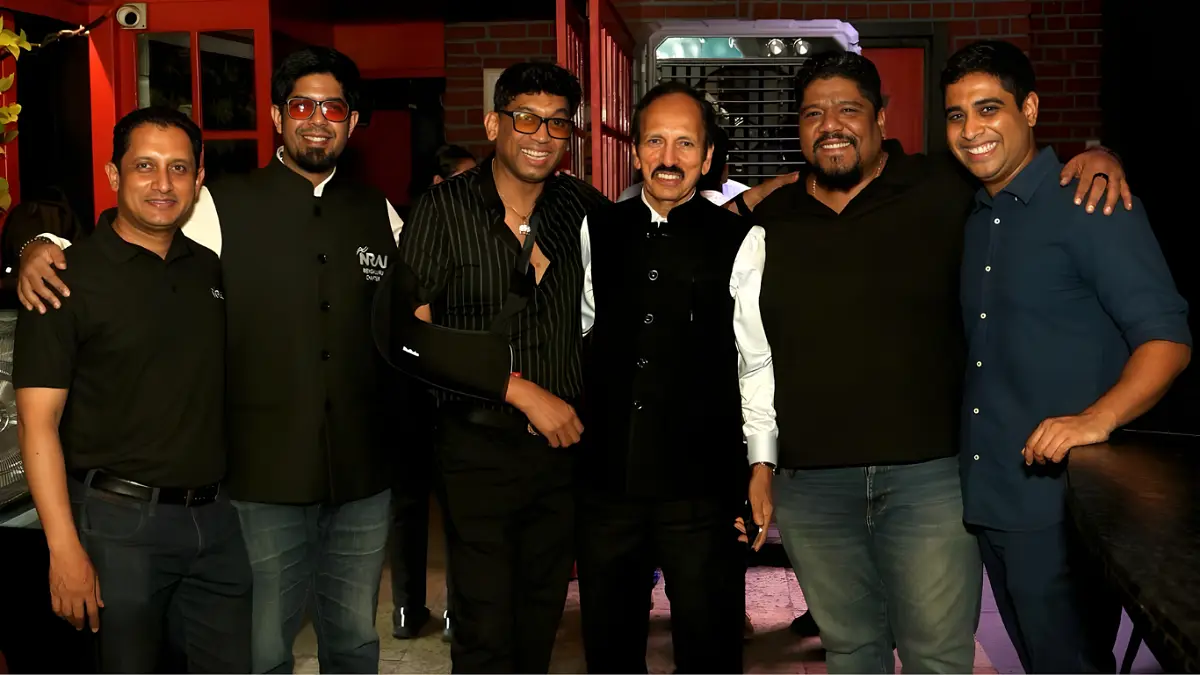
Bengaluru, April 2026: The National Restaurant Association of India (NRAI) Bengaluru Chapter convened restaurant operators, public sector representatives, and solution providers at Skydeck by Sherlocks to address ongoing LPG supply challenges and examine alternate fuel solutions for the food and beverage sector.
The meeting focused on the operational impact of supply disruptions, rising input costs, and the need for restaurants to diversify fuel sources to ensure continuity in kitchen operations. The initiative reflects growing concerns within the industry over dependence on conventional LPG systems.
Industry Meet Highlights Supply Constraints and Cost Pressures
The session opened with remarks by Dheeraj Kumar, Director at Knowhere Bar and Kitchen, who set the context for a solutions-oriented discussion. This was followed by an address from Ananth Narayan, head of the NRAI Bengaluru Chapter, who outlined the current LPG supply situation and the challenges faced by restaurant operators.
According to Narayan, the ongoing supply issues have significantly impacted day-to-day operations and increased cost pressures across the sector. He emphasized the need for restaurants to proactively evaluate alternative fuel options to mitigate risks associated with supply volatility.
The meeting brought together multiple stakeholders, including public sector entities and technology providers, highlighting the need for coordinated efforts across the ecosystem.
Focus on PNG as a Viable Alternative for Commercial Kitchens
A dedicated session led by Sanjay Kumar Singh, Chief General Manager at GAIL, focused on piped natural gas (PNG) as a potential alternative to LPG. The discussion covered key aspects such as infrastructure readiness, adoption pathways, and operational considerations for restaurants planning a transition.
PNG was positioned as a relatively stable and scalable solution for commercial kitchens, particularly in urban areas where pipeline infrastructure is expanding. The session aimed to provide clarity on implementation challenges and the feasibility of switching from LPG-based systems.
Participants also discussed the need for improved access to infrastructure and policy support to accelerate adoption across the sector.
Alternate Fuel Solutions and Technology Showcase
A key highlight of the event was the showcase of alternate fuels and cooking technologies designed to reduce dependence on conventional LPG. The demonstration provided hands-on exposure to a range of emerging solutions currently being explored within the industry.
The showcase included presentations on biogas as a sustainable fuel alternative, as well as PNG-based cooking systems tailored for commercial kitchen environments. In addition, participants were introduced to firewood and coal-based stove solutions and efficient coal applications for specific use cases.
Technology-driven innovations were also featured, including AI-enabled automation systems designed to support LPG-free restaurant operations and centralized kitchen models. These solutions aim to improve energy efficiency while offering greater flexibility in fuel usage.
Collaborative Approach to Address Industry Challenges
The meeting underscored the importance of collaboration between industry bodies, fuel providers, and technology companies in addressing fuel-related challenges. By bringing together multiple stakeholders, the NRAI Bengaluru Chapter aims to facilitate knowledge sharing and enable informed decision-making among its members.
The discussions highlighted that transitioning to alternate fuels will require not only technological adoption but also ecosystem-level support, including infrastructure development and regulatory facilitation.
The initiative reflects a broader shift within the hospitality sector toward resilience and sustainability, as operators explore diversified energy solutions to navigate supply uncertainties.
The session concluded with a consensus on the need for faster access to viable alternatives and continued engagement between stakeholders to ensure long-term operational stability for the restaurant industry.