Sarova Hotels Prioritizes Renovation and Transformation in 2026 Growth Strategy
Sarova Hotels outlines its 2026 growth strategy focusing on renovation, transformation, and enhanced guest experiences across its portfolio.
 nishathapa
 Sarova Hotels has announced a strategic focus on renovation and transformation as the core of its 2026 growth plan, aiming to enhance guest experiences, modernize existing properties, and strengthen its competitive position in the hospitality sector. The initiative, unveiled in 2026, will focus on upgrading infrastructure, redesigning spaces, and aligning offerings with evolving traveler expectations across its portfolio.
The move reflects a broader industry shift where hotel operators are increasingly investing in asset enhancement rather than solely expanding through new developments. Sarova’s approach is designed to improve operational efficiency, elevate brand standards, and cater to changing consumer preferences in a highly competitive global hospitality landscape.
Strategic Focus on Asset Enhancement
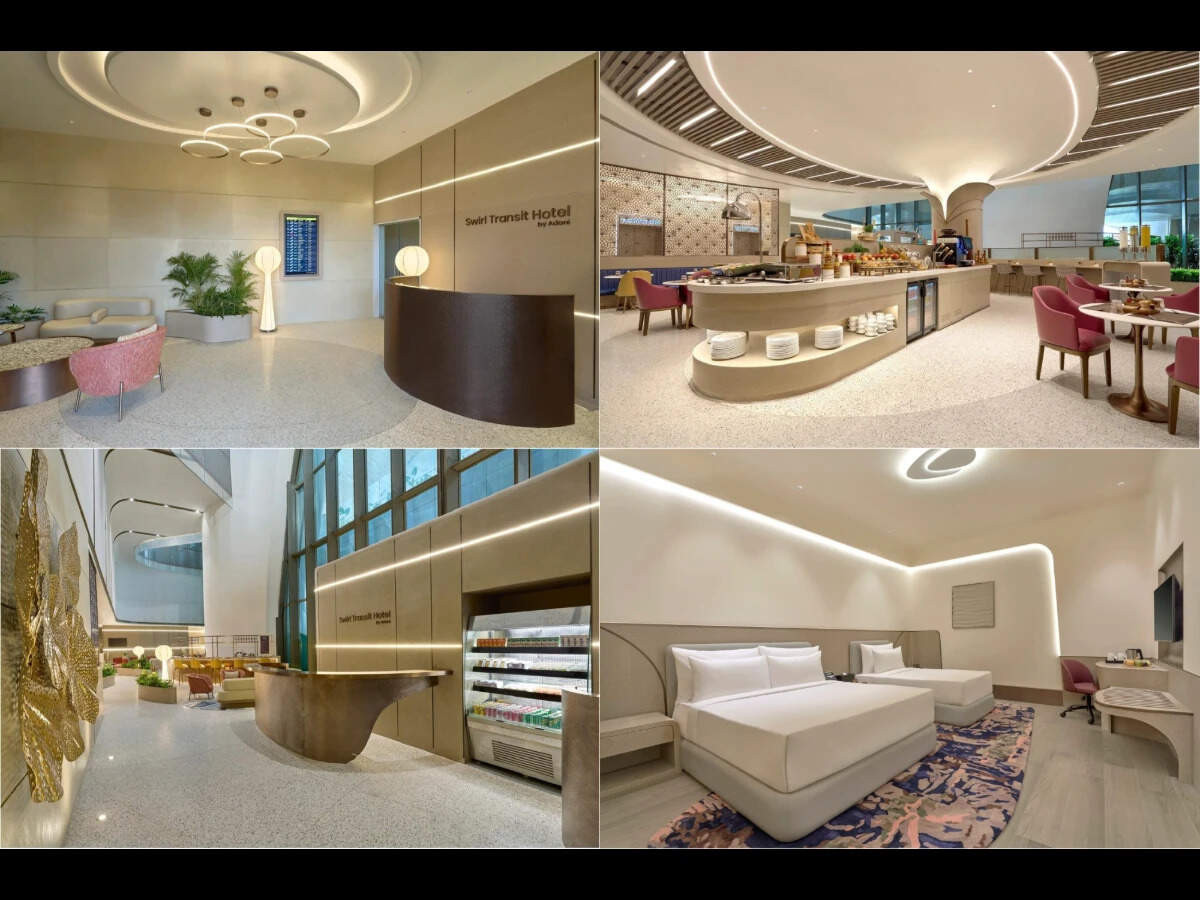
Central to Sarova Hotels’ 2026 strategy is the renovation and repositioning of its existing properties. The company plans to undertake comprehensive upgrades that include room refurbishments, modernization of public spaces, and the introduction of contemporary design elements that reflect current hospitality trends.
By focusing on asset enhancement, Sarova aims to maximize the value of its existing portfolio while minimizing the risks and costs associated with greenfield developments. This strategy allows the company to quickly adapt to market demands and maintain relevance in an evolving industry.
The emphasis on transformation is also expected to improve guest satisfaction and drive higher occupancy rates.
Enhancing Guest Experience
A key objective of the renovation program is to elevate the overall guest experience. Sarova Hotels is focusing on integrating modern amenities, improved service delivery, and personalized offerings to meet the expectations of contemporary travelers.
Upgrades are likely to include technology-driven solutions such as smart room features, enhanced connectivity, and streamlined digital services. In addition, the company is expected to revamp food and beverage outlets, wellness facilities, and recreational areas to create a more holistic guest experience.
The focus on experience-driven hospitality aligns with global trends where travelers prioritize comfort, convenience, and uniqueness.
Adapting to Changing Market Trends
The hospitality industry is undergoing significant transformation as consumer preferences shift toward experiential and lifestyle-oriented travel. Sarova Hotels’ strategy reflects an understanding of these trends, with a focus on creating spaces that are not only functional but also engaging and memorable.
Design upgrades are expected to incorporate local cultural elements while maintaining a contemporary aesthetic, allowing properties to stand out in competitive markets. The integration of flexible spaces for work, leisure, and social interaction is also becoming a key consideration in modern hotel design.
This adaptability is critical in attracting both business and leisure travelers.
Operational Efficiency and Cost Optimization
Renovation and transformation initiatives also play a crucial role in improving operational efficiency. Upgraded infrastructure can reduce maintenance costs, enhance energy efficiency, and streamline operations, contributing to long-term profitability.
Sarova Hotels is likely to incorporate sustainable practices as part of its transformation efforts, including energy-efficient systems, water conservation measures, and eco-friendly materials. These initiatives not only reduce costs but also align with growing demand for sustainable hospitality.
Efficiency improvements are expected to strengthen the company’s financial performance.
Competitive Positioning in a Dynamic Market
The global hospitality sector has become increasingly competitive, with operators striving to differentiate themselves through quality, service, and innovation. Sarova Hotels’ focus on renovation positions it to compete effectively by ensuring that its properties meet modern standards.
Upgraded hotels can command higher room rates and attract premium clientele, providing a competitive advantage in key markets. The strategy also enables the company to retain existing customers while attracting new segments.
Continuous investment in property enhancement is becoming essential for long-term success.
Balancing Expansion and Transformation
While Sarova Hotels is prioritizing renovation, the company is also expected to explore selective expansion opportunities. However, the primary focus remains on strengthening the existing portfolio to ensure consistent quality and brand identity.
This balanced approach allows the company to grow sustainably while maintaining control over operational standards. By enhancing current assets, Sarova can build a strong foundation for future expansion.
The strategy reflects a cautious yet forward-looking approach to growth.
Impact on Local Markets
The renovation projects are expected to have a positive impact on local economies by generating employment opportunities and supporting related industries such as construction, design, and supply chains. Upgraded hotels can also attract more visitors, contributing to increased tourism activity.
Improved hospitality infrastructure enhances the overall appeal of destinations, encouraging longer stays and higher spending by travelers. This, in turn, supports the growth of local businesses and services.
The initiative underscores the role of hospitality investments in economic development.
Industry-Wide Trend Toward Renovation
Sarova Hotels’ strategy aligns with a broader industry trend where operators are increasingly focusing on refurbishments and repositioning to stay competitive. With rising construction costs and market uncertainties, renovation offers a more flexible and cost-effective growth path.
Many hotel brands are adopting similar approaches, emphasizing quality over quantity and investing in enhancing guest experiences. This shift is reshaping the dynamics of the hospitality sector globally.
The trend highlights the importance of innovation and adaptability in the industry.
Future Outlook
Looking ahead, Sarova Hotels’ focus on renovation and transformation is expected to strengthen its market position and support long-term growth. As traveler expectations continue to evolve, the ability to adapt and innovate will remain critical.
The company’s investment in modernization is likely to yield benefits in terms of customer satisfaction, operational efficiency, and financial performance. Continued emphasis on sustainability and technology integration will further enhance its competitive edge.
The strategy positions Sarova Hotels to navigate the challenges and opportunities of the evolving hospitality landscape.
Conclusion
Sarova Hotels’ 2026 growth strategy, centered on renovation and transformation, reflects a proactive approach to meeting changing market demands while strengthening its existing portfolio and enhancing overall guest experiences.