Snabbit Instant Salon-at-Home Launches In Bengaluru
Snabbit Instant Salon-at-Home launches beauty services in Bengaluru, expanding its quick-service home convenience platform.
 nishathapa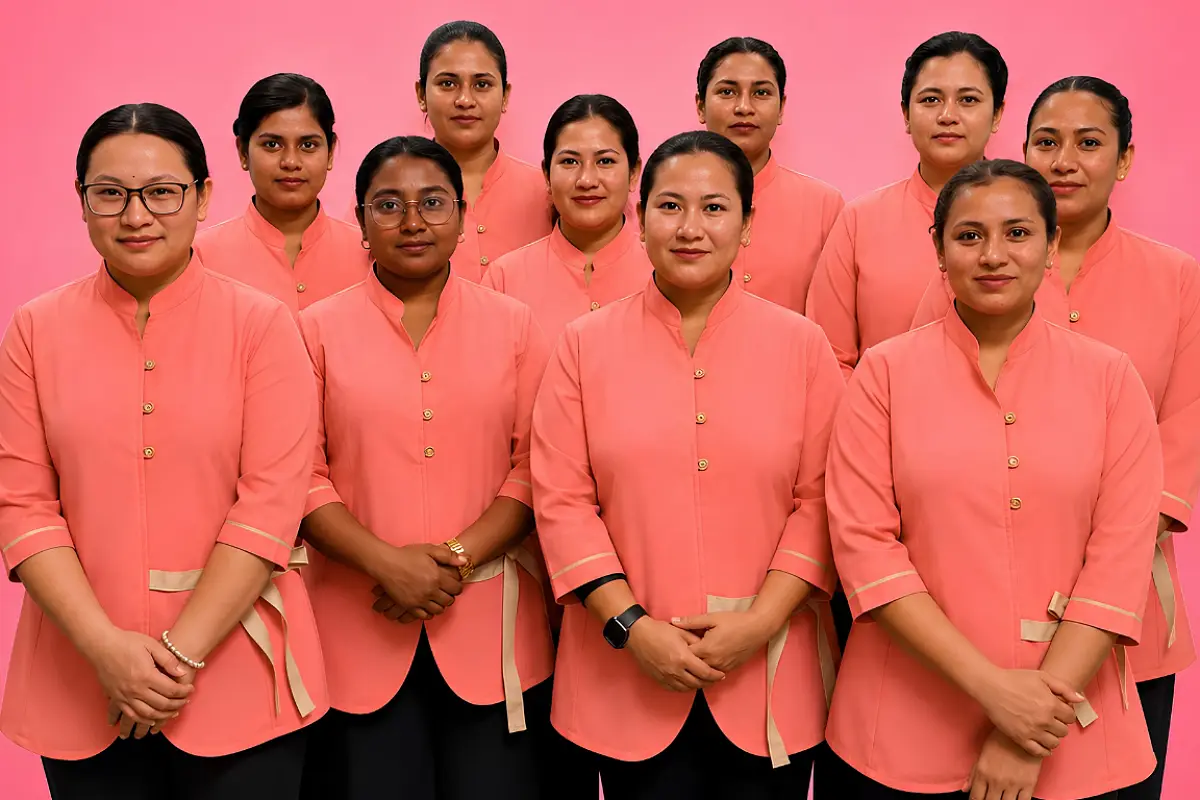
BENGALURU, May 22, 2026: Snabbit, the quick home services platform, has entered the beauty services segment with the launch of an instant salon-at-home model, completing more than 2,000 beauty service jobs during a six-week pilot in Bengaluru's Sarjapur micromarket. The platform recorded an average fulfilment time of under 15 minutes: a number that puts it firmly in the quick-commerce tier of service delivery rather than the traditional appointment-booking category that has defined salon-at-home services in India until now.
The timing of this move is not accidental. India's home beauty services market has been growing steadily for years, but it has stubbornly remained an advance-booking business, plan your appointment a day ahead, wait for a specific professional, coordinate on timing. Snabbit is betting that the same consumer who expects groceries in ten minutes and a cab in three is ready to expect a facial or a waxing session in the same window.
Snabbit Instant Salon-at-Home Services With Bengaluru Pilot Showing Strong Demand
Aayush Agarwal, speaking on the expansion, said the beauty category represents a large and high-frequency opportunity that sits naturally within the company's existing quick-service ecosystem. He noted that consumers now expect convenience to extend to personal care, not just food and groceries.
The pilot data backs that framing. Over 2,000 jobs completed in six weeks through a single Bengaluru micromarket, Sarjapur, is not a quiet test. It suggests the demand was sitting there, waiting for a product format that matched how consumers in that market already think about service delivery. Word-of-mouth adoption within neighbourhoods drove much of the organic growth, according to Dev Priyam, who noted the strength of community-led discovery for the new vertical.
Multi-Skilled Professionals and Monodose Packaging Define the Operating Model
The operational backbone of Snabbit's beauty service is built around multi-skilled beauty professionals, women who can deliver several different services in a single home visit rather than requiring separate specialists for each treatment. That design choice is essential to making instant fulfilment work at scale. A platform that needs to coordinate three different professionals for a single session cannot realistically hit a 15-minute response window. A platform with one professional who can handle threading, a facial and a head massage in sequence can.
The services currently offered span high-frequency categories: threading, waxing, facials, clean-ups, saree draping, head massages and hair styling. These are the bread-and-butter treatments that drive repeat usage, not special-occasion bookings, but the kind of services many women want regularly without disrupting their day to visit a salon.
The company has also introduced lightweight service kits and monodose packaging formats designed to improve hygiene, reduce product wastage and keep the at-home setup fast and clean. Products from O3+ and Rica are part of the service ecosystem, lending some brand recognition to what might otherwise feel like a generic pop-up treatment.
Pricing Starts at ₹49 With No Minimum Order Requirement
On pricing, Snabbit has come in at the accessible end of the market. Services start at ₹49 with no minimum order value — a deliberate move to remove the friction of committing to a larger booking just to make the transaction feel worthwhile. The entry price point widens the addressable customer base significantly, pulling in users who might not have considered a home beauty service at higher thresholds.
The "no minimum order" structure is also a signal about usage intent. The platform is not trying to sell large beauty packages upfront, it is trying to build a habit. Get someone to book a ₹49 threading job today, deliver it in 12 minutes, and the probability of that person coming back for a facial next week goes up considerably. The economics of repeat purchase in a high-frequency personal care category can make a low initial price point work, provided the service quality holds.
A "Salon by Women, for Women" Positioning Builds Trust at the Door
Every beauty professional currently operating on the Snabbit platform is a woman, a positioning the company describes as "salon by women, for women." In the context of a service that involves a professional entering a customer's home to deliver personal care treatments, that is not just a diversity statement. It is a direct response to a genuine friction point for female consumers considering whether to open their door to an on-demand service they have not used before.
Trust is the gating factor in home services at this level of intimacy. Getting the gender alignment right from the start removes one layer of hesitation and makes the service easier to recommend to friends and family, which is exactly how the Sarjapur pilot grew.
City Expansion Follows Micromarket Deepening in Bengaluru
Snabbit plans to expand the beauty vertical across additional Bengaluru micromarkets before moving into new cities in the months ahead. The sequencing makes operational sense, prove the model deeply in one geography before stretching it thin across several simultaneously. The Sarjapur pilot has given the company the data it needs to refine fulfilment logistics, professional onboarding and service quality before scaling.
India's on-demand beauty market has seen several platforms attempt instant or near-instant models over the past few years, with mixed results. The ones that struggled typically underestimated the logistics complexity of building a hyperlocal professional network dense enough to actually deliver fast. Snabbit's advantage, if it holds, is that it already has a functioning quick home services infrastructure from its existing business, the beauty vertical is an extension of an operational model it has already built, not a brand new one it is building from scratch.