St. Regis Dubai The Palm Closes for Refurbishment, Dining Outlets Remain Open
St. Regis Dubai The Palm suspends hotel operations from April 2026 for refurbishment while key dining venues including SushiSamba continue operations.
 Pratyaksha Singh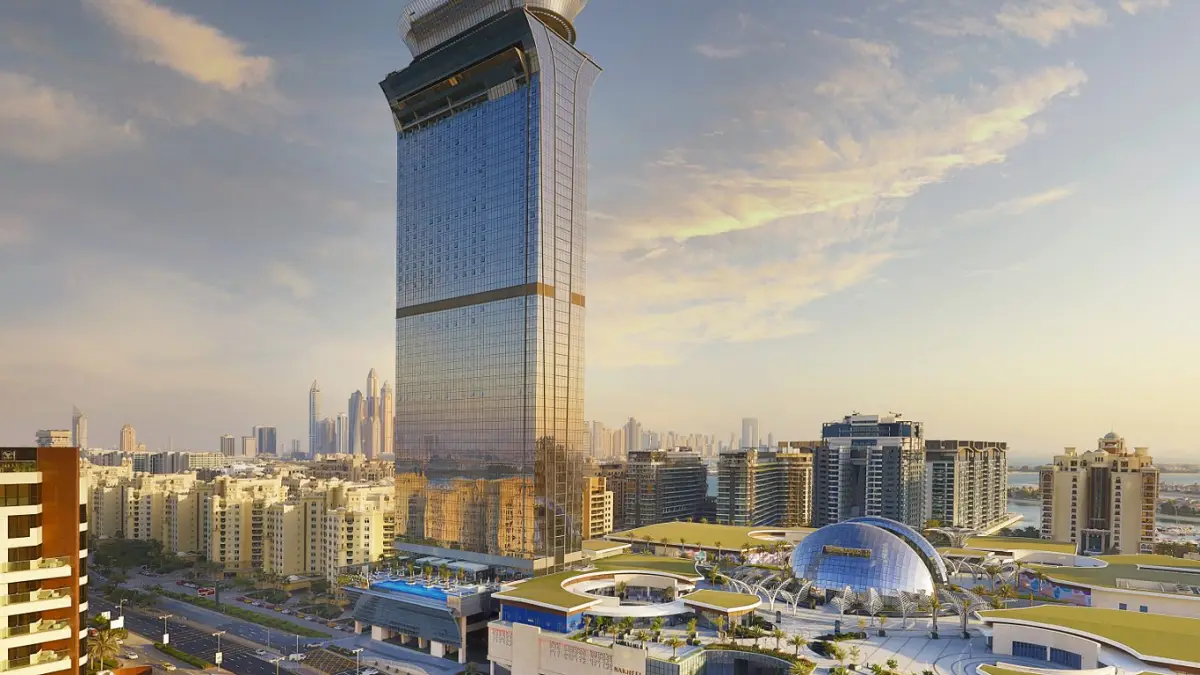
Dubai, UAE, April 2026 — St. Regis Dubai The Palm has temporarily suspended hotel operations from mid-April 2026 to undertake a refurbishment programme, while continuing to operate select dining and lifestyle venues at the Palm Jumeirah property.
The closure forms part of an enhancement initiative aimed at upgrading the luxury hotel’s offering. According to a statement issued by the property, certain areas have been taken offline as refurbishment works commence, limiting access to guest accommodation and related services during the project period.
Hotel operations paused as refurbishment begins
The property confirmed that guest stays have been halted as part of the ongoing upgrade programme. From mid-April, core areas of the hotel are no longer accessible, reflecting a phased approach to refurbishment designed to improve the overall guest experience.
While the timeline for completion has not been disclosed, the initiative is positioned as part of the brand’s broader commitment to maintaining luxury standards through periodic upgrades and reinvestment in infrastructure.
The move aligns with a wider trend across Dubai’s premium hospitality segment, where established properties are undergoing refurbishment to remain competitive in a rapidly evolving market.
Dining and lifestyle venues continue operations
Despite the suspension of hotel operations, the property’s dining and lifestyle component remains active. Several restaurants within the St. Regis Gardens complex continue to operate, maintaining footfall and engagement at the destination.
Operational venues include SushiSamba and a range of standalone restaurants such as Trèsind Studio, Chez Wam, Signor Sassi, LEÑA, Aretha and Hanu. These outlets remain accessible to guests and visitors, allowing the property to sustain its presence in Dubai’s competitive dining landscape during the refurbishment period.
This approach reflects a strategic separation of accommodation and food and beverage operations, enabling revenue continuity and brand visibility even as core hotel services are paused.
Part of broader refurbishment cycle in Dubai
The temporary closure of St. Regis Dubai The Palm comes amid a broader wave of refurbishment activity across Dubai’s hospitality sector. Several high-profile properties have undertaken similar upgrades in recent months, reflecting increased competition and rising expectations among luxury travellers.
Hotels in key districts across the city are investing in design upgrades, technology integration and enhanced guest facilities to maintain market positioning and meet evolving consumer preferences. These projects often involve phased closures or partial operational suspensions to facilitate large-scale improvements.
The trend underscores a shift towards lifecycle asset management in hospitality, where continuous reinvestment is necessary to sustain brand relevance and operational performance.
Location and market positioning
Located on Palm Jumeirah, St. Regis Dubai The Palm occupies a strategic position within one of the city’s most prominent luxury destinations. The area continues to attract both international visitors and local residents, driven by its mix of high-end hotels, residential developments and dining concepts.
The property’s integration with St. Regis Gardens has strengthened its positioning as a lifestyle destination, combining accommodation with a curated selection of dining and social experiences. Maintaining operations at these venues during the refurbishment allows the property to retain its role within the local hospitality ecosystem.
Once refurbishment is completed, the hotel is expected to resume full operations with upgraded facilities, reinforcing its presence in Dubai’s luxury segment.
Focus on maintaining guest experience standards
The decision to temporarily close reflects a broader focus on quality assurance and long-term brand positioning. Refurbishment programmes in the luxury segment are typically aimed at aligning physical infrastructure with evolving guest expectations, particularly in areas such as design, comfort and service delivery.
By undertaking the upgrade, the property is prioritising long-term value over short-term occupancy, a strategy commonly adopted by premium hotel brands operating in mature markets.
During the refurbishment period, the continuation of dining operations ensures that the property remains active within Dubai’s hospitality landscape, balancing operational continuity with infrastructure enhancement.