Woods at Sasan Pioneers Regenerative Hospitality Model Near Gir Forest
Woods at Sasan in Gujarat is redefining hospitality with a regenerative model that supports the Gir Forest ecosystem and empowers local communities.
 nishathapa
 Woods at Sasan Pioneers Regenerative Hospitality Model Near Gir Forest
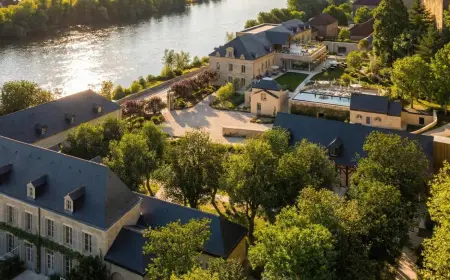
Woods at Sasan, a boutique hospitality project located near the Gir Forest in Gujarat, is emerging as a leading example of regenerative hospitality in India, combining tourism with ecological conservation and community development. The property has been designed to go beyond sustainability by actively contributing to the restoration of natural ecosystems and supporting local livelihoods, reflecting a shift in how hospitality projects are conceptualized and operated.
Situated in close proximity to the Gir National Park, the resort integrates its operations with the surrounding environment, aiming to minimize ecological impact while enhancing biodiversity and promoting responsible tourism. The initiative comes at a time when the global hospitality industry is increasingly focusing on sustainability and long-term environmental stewardship.
From Sustainability to Regeneration
Unlike traditional sustainability models that focus on reducing negative impact, regenerative hospitality emphasizes restoring and improving ecosystems. Woods at Sasan has adopted this approach by implementing practices that contribute positively to the local environment, including soil restoration, water conservation, and habitat preservation.
The property’s design incorporates natural materials and low-impact construction techniques, ensuring that the built environment blends seamlessly with the surrounding landscape. This approach helps maintain ecological balance while providing guests with an immersive nature-based experience.
Experts note that regenerative practices are gaining traction globally as the hospitality sector seeks to address environmental challenges and align with evolving consumer expectations.
Integration with Gir Forest Ecosystem
The proximity of Woods at Sasan to the Gir Forest, home to the Asiatic lion, underscores the importance of responsible tourism practices. The resort has taken measures to ensure that its operations do not disrupt wildlife habitats or natural processes.
Efforts include maintaining green buffers, minimizing noise and light pollution, and supporting conservation initiatives in the region. The property also promotes awareness among guests about the importance of preserving biodiversity and respecting wildlife.
Such initiatives are critical in ecologically sensitive areas, where tourism must be carefully managed to prevent environmental degradation.
Community-Centric Development
A key pillar of the Woods at Sasan model is its focus on community engagement and development. The project actively collaborates with local communities, providing employment opportunities and supporting traditional livelihoods.
Local residents are involved in various aspects of the resort’s operations, including hospitality services, agriculture, and handicrafts. This approach not only generates income but also helps preserve cultural heritage and traditional knowledge.
By integrating community participation into its business model, the property aims to create a more inclusive and equitable tourism ecosystem.
Farm-to-Table and Local Sourcing
The resort emphasizes farm-to-table dining, sourcing ingredients from local farms and its own organic gardens. This reduces the carbon footprint associated with food transportation while supporting local agriculture.
Guests are offered meals prepared with seasonal and locally sourced produce, enhancing both sustainability and culinary authenticity. The initiative also encourages sustainable farming practices among local suppliers.
Food sustainability is increasingly becoming a key focus area for hospitality operators seeking to align with environmental goals.
Water and Energy Conservation Measures
Woods at Sasan has implemented a range of measures to conserve water and energy, addressing critical resource challenges in the region. Rainwater harvesting, wastewater recycling, and efficient irrigation systems are integral to the property’s operations.
Energy needs are managed through a combination of renewable sources and energy-efficient technologies, reducing reliance on conventional power systems. These efforts contribute to lower operational costs and environmental impact.
Such practices are essential in ensuring the long-term viability of hospitality projects in resource-sensitive areas.
Enhancing Guest Experience Through Nature
The regenerative approach extends to the guest experience, with the resort offering activities that connect visitors with nature and local culture. Guided nature walks, wildlife experiences, and cultural interactions are designed to provide meaningful and educational experiences.
Guests are encouraged to engage with the environment in a responsible manner, fostering a deeper appreciation for conservation efforts. This aligns with the growing demand for experiential travel that emphasizes authenticity and sustainability.
The focus on immersive experiences differentiates the property in a competitive market.
Economic and Environmental Impact
The project is expected to have a positive impact on both the local economy and the environment. By generating employment and supporting local businesses, Woods at Sasan contributes to regional economic development.
At the same time, its regenerative practices help restore natural resources and enhance biodiversity, creating a model that balances economic growth with environmental responsibility.
Industry observers highlight that such initiatives can serve as benchmarks for future hospitality developments in ecologically sensitive regions.
Growing Trend in Sustainable Hospitality
The emergence of regenerative hospitality reflects a broader trend within the industry, as operators move beyond compliance-based sustainability toward more proactive environmental stewardship. Travelers are increasingly prioritizing eco-friendly accommodations, driving demand for such initiatives.
Hotels and resorts adopting regenerative models are likely to gain a competitive advantage by aligning with consumer values and regulatory expectations. The approach also supports long-term resilience in the face of environmental challenges.
Woods at Sasan’s model demonstrates how innovation in hospitality can address both business and environmental objectives.
Future Outlook
The success of Woods at Sasan is expected to encourage similar projects across India, particularly in regions with rich biodiversity and cultural heritage. Developers and operators are likely to explore regenerative practices as part of their growth strategies.
Government policies and industry collaborations could further support the adoption of such models, creating a more sustainable and responsible tourism ecosystem.
As awareness grows, regenerative hospitality may become a defining feature of the industry’s evolution.
Conclusion
Woods at Sasan is setting a new benchmark for regenerative hospitality in India, demonstrating how tourism can contribute positively to ecosystems and communities while delivering a high-quality guest experience.