Chef Ifrah Ahmed Publishes Somali Cookbook to Preserve Culinary Heritage
Chef Ifrah F. Ahmed releases a cookbook documenting Somali cuisine, aiming to preserve culinary traditions impacted by diaspora and migration.
 Prajakta Sanjay Warwadkar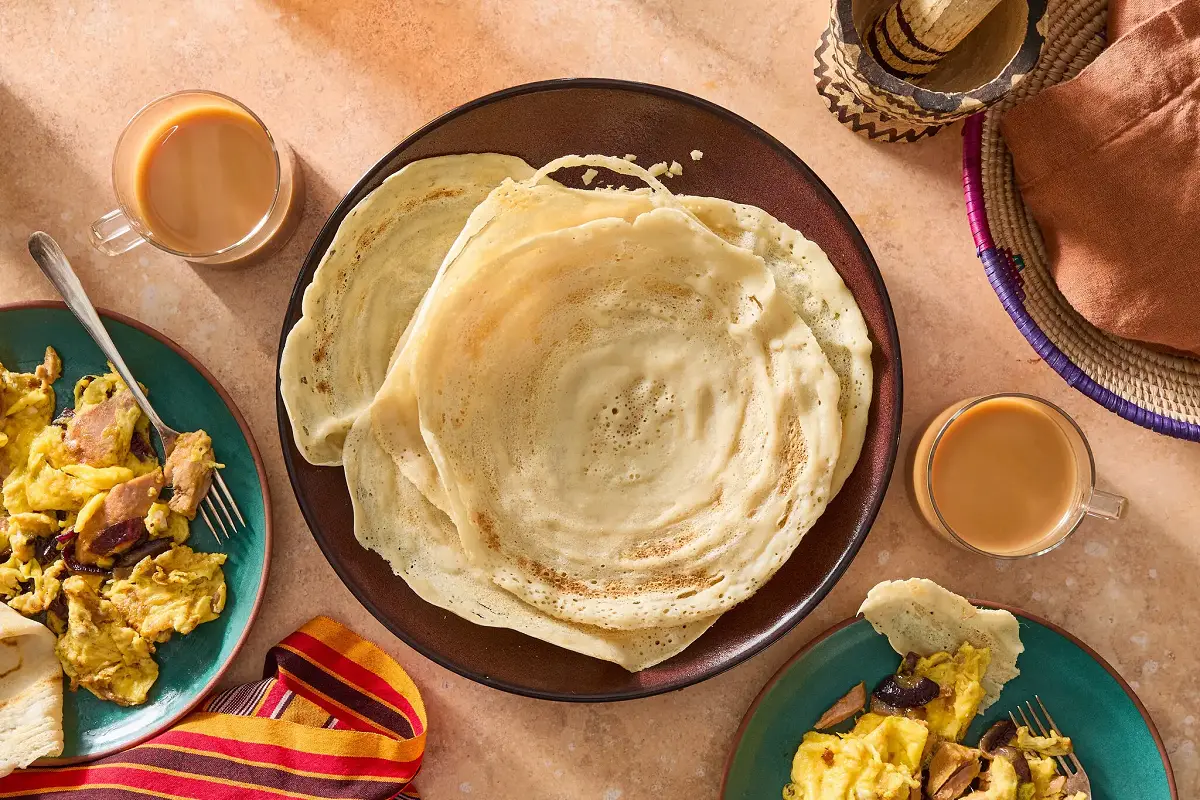
Chef and cookbook author Ifrah F. Ahmed has released a new publication focused on Somali cuisine, aiming to preserve culinary traditions shaped by migration and cultural disruption. The book, published in 2026, draws from personal and generational knowledge rooted in Somalia and the global Somali diaspora.
Ahmed, who was born in Mogadishu and relocated to the United States in 1996 as a refugee, has positioned the project as both a culinary and cultural archive. The initiative follows decades of disrupted knowledge transfer caused by the Somali Civil War, which began in 1991 and led to widespread displacement and diaspora communities across multiple countries.
Cookbook Documents Oral Culinary Traditions
The cookbook reflects a traditionally oral food culture, where recipes and techniques have historically been passed down through family teaching rather than written documentation. Ahmed’s work translates these practices into a structured format, addressing a gap created by migration and generational distance.
Somali culinary knowledge has often been transmitted through storytelling, daily cooking routines, and communal practices. However, displacement has limited access to these traditional learning environments, particularly for younger generations raised outside Somalia.
Ahmed’s approach focuses on preserving recipes and techniques that may otherwise be lost, including staple dishes and preparation methods tied to everyday Somali life. The book includes items such as canjeero, a fermented pancake central to Somali breakfasts, and sambuus, a fried dumpling commonly served in households and during gatherings.
From Family Teaching to Professional Food Career
Ahmed attributes her culinary foundation to her mother, who actively taught her traditional cooking techniques after the family resettled in Seattle. These lessons were part of a broader effort to maintain cultural identity following relocation.
Her training included preparing staple dishes using traditional methods, such as fermenting batter for canjeero and cooking spiced dishes using xawaash, a seven-spice blend integral to Somali cuisine. These early experiences later influenced her professional direction.
In 2018, Ahmed returned to Somalia for the first time since childhood, further deepening her connection to the country’s culinary traditions. The visit exposed her to regional ingredients and cooking practices, including diets centred on meat and dairy, particularly camel-based products, and spice-driven dishes.
This experience marked a transition toward a full-time career in food, combining traditional knowledge with contemporary culinary practices.
Pop-Up Concept Introduced Somali Cuisine to Urban Markets
Following her return, Ahmed launched Milk & Myrrh, a pop-up dining concept operating in cities including Los Angeles, New York and Seattle. The concept introduced Somali cuisine to broader audiences while adapting dishes to locally available ingredients.
The pop-up model allowed for reinterpretation of traditional recipes, including variations of canjeero served in formats similar to wraps and sambuus prepared with alternative fillings such as seafood. These adaptations reflected both ingredient accessibility and evolving consumer preferences in urban dining markets.
Milk & Myrrh also functioned as a platform for cultural storytelling, linking food with narratives of migration and identity. The concept contributed to increased visibility of Somali cuisine within the wider foodservice sector, particularly in markets where it remains underrepresented.
Cookbook Aims to Address Gaps in Food Media Representation
Ahmed’s decision to document recipes was driven by the limited representation of Somali cuisine in mainstream food media. The publication seeks to position Somali food within global culinary discourse, highlighting its historical influences and diversity.
Somali cuisine has been shaped by trade, colonial history, and regional exchanges, incorporating elements from African, Middle Eastern and South Asian culinary traditions. Despite this complexity, it remains relatively undocumented compared to other global cuisines.
The cookbook includes recipes such as ukun iyo mallaay, a tuna and egg dish commonly prepared using pantry staples, and qaxwo, a spiced coffee reflecting the Horn of Africa’s role in global coffee culture. These dishes illustrate both accessibility and cultural significance.
The work also emphasises the role of diaspora communities in sustaining culinary traditions. Somali communities have established food-related businesses, including restaurants, cafes and grocery stores, as part of efforts to maintain cultural connections in new environments.
Cultural Preservation Through Food and Community
Ahmed’s project highlights the broader role of food in cultural preservation and identity-building. By documenting recipes and techniques, the cookbook serves as a resource for future generations who may lack direct access to traditional learning environments.
The initiative also reflects a wider trend within the global foodservice sector, where chefs and operators are increasingly documenting and formalising cuisines rooted in oral traditions. This approach supports both cultural continuity and market expansion.
Through her work, Ahmed aims to maintain continuity between generations while introducing Somali cuisine to new audiences. The cookbook represents both a personal project and a contribution to preserving a culinary heritage shaped by displacement and resilience.
The publication marks a continuation of Ahmed’s efforts to connect food, identity and community, positioning Somali cuisine within a broader global context while maintaining its traditional foundations.