World Cup 2026 Hotel Bookings Lag in U.S. as Canada and Mexico Lead Demand Surge
World Cup 2026 hotel bookings are rising across Canada and Mexico, while many U.S. host cities trail in occupancy ahead of the global football tournament.
 Pratyaksha Singh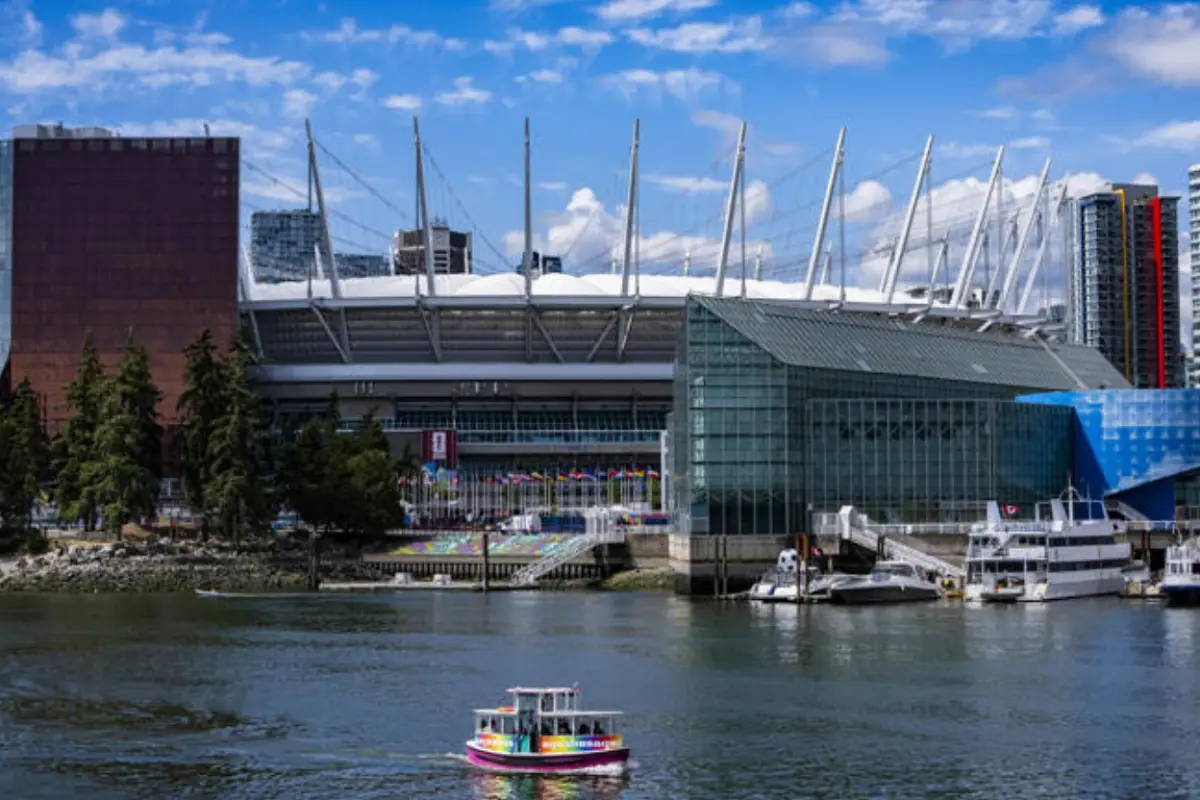
World Cup 2026 Hotel Bookings Lag in U.S. as Canada and Mexico Lead Demand Surge
World Cup 2026 hotel bookings are showing stronger momentum in Canada and Mexico than in many U.S. host cities ahead of the world's biggest football tournament. New hospitality data suggests that several international host destinations are experiencing higher hotel occupancy rates as fans prepare to travel across North America.
The tournament, which will be played across 16 host cities in the United States, Canada, and Mexico, is expected to generate significant tourism activity and hospitality demand throughout the region.
World Cup 2026 Hotel Bookings Favor Canadian and Mexican Cities
According to recent industry data, Vancouver and Guadalajara are leading World Cup 2026 hotel bookings with occupancy rates reaching approximately 48%.
Toronto, Mexico City, and Monterrey have also surpassed the 40% occupancy mark. Among U.S. host cities, San Francisco remains the only market exceeding 40% occupancy, highlighting a noticeable gap in booking performance.
The figures indicate that international travelers are showing strong interest in Canadian and Mexican destinations ahead of the tournament.
Hotel Occupancy Rates Reflect Affordability Trends
Hotel occupancy rates are being influenced by travel costs and destination affordability. Industry observers note that accommodation, transportation, and overall travel expenses remain more competitive in several Canadian and Mexican host cities.
Short-term rental markets have also experienced increased demand. Travelers seeking budget-friendly options are increasingly choosing destinations where accommodation costs remain lower than those in major U.S. cities.
This trend is contributing to stronger hospitality performance in select international markets.
Sports Tourism Drives Hospitality Demand
Sports tourism continues to play a major role in shaping travel patterns during global sporting events. The FIFA World Cup 2026 is expected to attract millions of visitors, creating opportunities for hotels, restaurants, transportation providers, and tourism businesses.
Hospitality operators in host cities are preparing for increased demand by adjusting pricing strategies, expanding services, and enhancing guest experiences.
Many hotels anticipate a rise in last-minute bookings as tournament dates approach.
World Cup Tourism Creates Economic Opportunities
World Cup tourism is expected to generate substantial economic benefits for host destinations. Local governments and tourism authorities have invested heavily in infrastructure improvements, public transportation, security measures, and destination marketing campaigns.
Hotels, attractions, and tourism businesses are positioned to benefit from increased visitor spending throughout the competition.
The tournament also provides a global platform for host cities to showcase their hospitality offerings and attract future visitors.
Hospitality Industry Awaits Last-Minute Bookings
Despite current booking trends, many hospitality leaders remain optimistic. Historical data from previous international sporting events suggests that a significant percentage of reservations are often made in the final days before matches.
Several hotel operators report higher average daily room rates during the tournament period, even in markets where occupancy growth has been moderate.
As kickoff approaches, World Cup 2026 hotel bookings are expected to continue evolving, providing a clearer picture of how sports tourism will impact the hospitality industry across North America.
Why World Cup 2026 Hotel Bookings Matter
World Cup 2026 hotel bookings offer an important indicator of tourism demand and hospitality performance across host destinations. While Canada and Mexico currently lead occupancy growth, U.S. cities may still benefit from late-stage reservations and increased international travel activity.
The tournament remains one of the largest tourism opportunities in recent history, with hotels across North America preparing to welcome football fans from around the world.