Steak ‘n Shake Introduces Powerful Chief MAHA Officer Role to Redefine Fast Food Health Standards
Steak n Shake Chief MAHA Officer role signals a bold shift toward real ingredients, transparency, and healthier fast food innovation across the industry.
 Prajakta Sanjay Warwadkar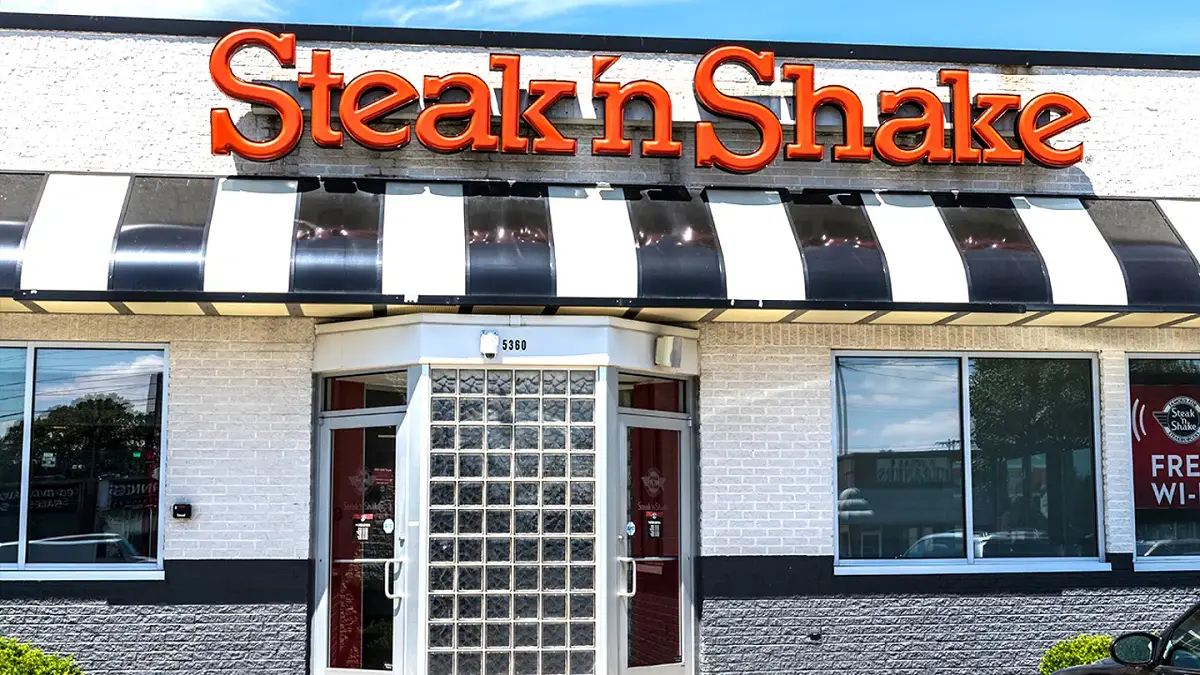
The appointment of a Steak n Shake Chief MAHA Officer marks a significant shift in how fast food brands are redefining their approach to health, ingredients, and transparency. As consumer expectations evolve, the Steak n Shake Chief MAHA Officer role reflects a broader transformation in the restaurant industry, where traditional fast food models are being challenged by demand for cleaner, more transparent food preparation methods.
This move is not just a leadership change. It signals a deeper strategic repositioning aimed at aligning the brand with a growing segment of consumers who prioritize ingredient quality and authenticity. The Steak n Shake Chief MAHA Officer is expected to guide the company’s transition toward what it describes as “real food,” a concept gaining traction across the global hospitality landscape.
Steak n Shake Chief MAHA Officer Drives Strategic Change
The introduction of the Steak n Shake Chief MAHA Officer role highlights a deliberate effort to integrate health-focused thinking into core business operations. Unlike traditional executive roles, this position is designed to oversee ingredient sourcing, food preparation methods, and overall nutritional direction.
As the fast food sector becomes increasingly competitive, brands are exploring new ways to differentiate themselves. In this context, the Steak n Shake Chief MAHA Officer initiative stands out as a bold attempt to reshape brand identity while maintaining its core offerings.
Operators across the industry are closely observing this development. Many see it as a potential turning point where fast food chains begin to move beyond surface-level menu changes and adopt deeper operational transformations.
Focus on Ingredient Transparency
A key responsibility of the Steak n Shake Chief MAHA Officer is improving ingredient transparency. Consumers today are more informed than ever. They want to know what goes into their food, how it is prepared, and where it comes from.
By prioritizing transparency, the company aims to build trust with its customer base. This includes clearer labeling, simplified ingredient lists, and a focus on recognizable components. The approach aligns with broader industry trends where transparency is becoming a competitive advantage.
For many diners, this shift represents a return to basics. Instead of highly processed items, there is growing interest in meals that feel more authentic and less industrialized.
Operational Changes Across Kitchens
The Steak n Shake Chief MAHA Officer initiative is closely tied to operational changes within restaurant kitchens. These changes are designed to support the company’s commitment to improving food quality and preparation standards.
One of the most notable adjustments is the move toward traditional cooking methods. By reducing reliance on modern shortcuts, the brand is positioning itself as a provider of more authentic dining experiences.
This operational shift also reflects a broader industry movement. Restaurants are increasingly investing in techniques that emphasize craftsmanship and consistency.
Shift Toward Traditional Cooking Methods
Traditional cooking techniques are gaining renewed attention across the hospitality sector. The Steak n Shake Chief MAHA Officer strategy reinforces this trend by encouraging methods that prioritize flavor and quality over speed.
For example, the use of alternative cooking fats and simplified preparation processes is part of a larger effort to redefine what fast food can be. These changes are intended to enhance both taste and perceived value.
While such adjustments may require additional training and operational discipline, they also create opportunities for differentiation in a crowded market.
Impact on Brand Positioning
The introduction of the Steak n Shake Chief MAHA Officer is expected to influence how the brand is perceived by consumers. In a market saturated with similar offerings, positioning becomes critical.
By emphasizing real ingredients and transparent practices, the company is aiming to reposition itself within the fast food category. This strategy seeks to bridge the gap between traditional quick-service dining and emerging health-conscious preferences.
Brand identity is increasingly tied to values. Consumers are not just choosing where to eat based on price or convenience. They are also considering factors such as sustainability, authenticity, and trust.
Balancing Health and Taste
One of the biggest challenges for the Steak n Shake Chief MAHA Officer will be balancing health considerations with taste expectations. Fast food has traditionally been associated with indulgence, making this transition complex.
However, industry data suggests that consumers are willing to embrace healthier options if they do not compromise on flavor. This creates an opportunity for innovation, where culinary creativity meets nutritional awareness.
The success of this approach will depend on execution. Maintaining consistency across locations while introducing new standards is a demanding task.
Industry-Wide Implications
The Steak n Shake Chief MAHA Officer initiative could have ripple effects across the restaurant industry. Competitors may feel pressure to adopt similar strategies, particularly if the approach proves successful.
Fast food chains are already experimenting with menu redesigns, ingredient sourcing, and operational improvements. This development adds another layer to those efforts by introducing a dedicated leadership role focused on health and quality.
For the industry, this represents a shift toward more structured and intentional innovation. Rather than reacting to trends, companies are beginning to proactively shape them.
Rising Demand for Clean Label Dining
Clean label dining is becoming a major trend in the hospitality sector. The Steak n Shake Chief MAHA Officer role aligns with this movement by emphasizing simplicity and transparency.
Consumers are increasingly skeptical of artificial additives and complex ingredient lists. As a result, restaurants are rethinking their menus to align with these preferences.
This trend is not limited to fast food. It is influencing fine dining, casual dining, and even packaged food sectors. The emphasis on clarity and authenticity is reshaping how food is produced and marketed.
Challenges and Opportunities Ahead
While the Steak n Shake Chief MAHA Officer initiative presents significant opportunities, it also comes with challenges. Implementing widespread changes across multiple locations requires careful planning and execution.
Cost management is another critical factor. Transitioning to higher-quality ingredients and traditional methods can increase operational expenses. Balancing these costs while maintaining competitive pricing will be essential.
At the same time, the initiative opens new avenues for growth. By differentiating itself, the brand can attract a broader audience and strengthen customer loyalty.
Future of Fast Food Innovation
The role of the Steak n Shake Chief MAHA Officer may signal the beginning of a new era in fast food innovation. As the industry evolves, similar positions could become more common.
Restaurants are no longer just places to eat. They are becoming platforms for innovation, storytelling, and cultural expression. This shift requires new forms of leadership that combine culinary expertise with strategic vision.
Looking ahead, the success of this initiative will likely influence how other brands approach health, transparency, and customer engagement.
For more industry insights, visit Hospitality Career Profile. Learn more about fast food evolution on Wikipedia.
Ultimately, the Steak n Shake Chief MAHA Officer represents more than just a new job title. It reflects a changing mindset within the restaurant industry, where innovation is driven by a deeper understanding of consumer needs and expectations.
As the sector continues to adapt, initiatives like this will play a crucial role in shaping the future of dining. Whether it leads to widespread transformation or remains a unique experiment, it has already sparked important conversations about what fast food can become.