Applebee’s Lawsuit Over Co-Branded Restaurants Sparks Debate on Dual-Brand Strategy in 2026
Applebee’s lawsuit over co-branded restaurants highlights challenges in dual-brand strategy, franchise operations, and restaurant innovation in 2026.
 Prajakta Sanjay Warwadkar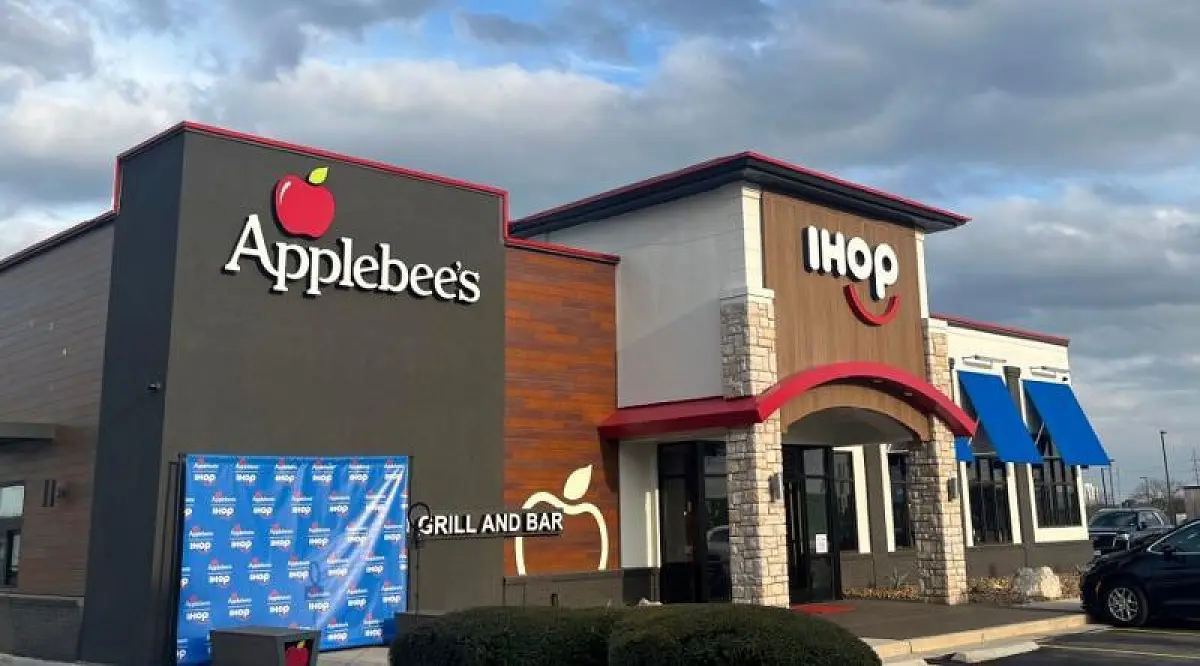
Applebee’s Lawsuit Over Co-Branded Restaurants Sparks Debate on Dual-Brand Strategy in 2026
The Applebee’s lawsuit co-branded restaurants case is drawing major attention across the restaurant industry, raising serious questions about the future of dual-brand dining models. As brands continue experimenting with shared locations, the Applebee’s lawsuit co-branded restaurants dispute highlights the operational and legal risks involved.
At the center of the issue is a conflict between Applebee’s and one of its franchisees over the execution of co-branded restaurant locations. These outlets, often combining Applebee’s with IHOP, were designed to increase efficiency and revenue—but the Applebee’s lawsuit co-branded restaurants situation shows that the model is not without complications.
Applebee’s Lawsuit Co-Branded Restaurants: What Happened?
The Applebee’s lawsuit co-branded restaurants case revolves around disagreements over how dual-brand locations are being operated. Applebee’s alleges that the franchisee failed to meet required operational and brand standards.
This has led to legal action, making the Applebee’s lawsuit co-branded restaurants issue one of the most talked-about franchise disputes in 2026.
Co-branded restaurants are meant to streamline operations and attract wider audiences, but maintaining consistency across two brands can be difficult.
Understanding the Dual-Brand Concept
Dual-brand or co-branded restaurants combine two concepts under one roof. In this case, Applebee’s and IHOP share kitchen space, staff, and infrastructure.
While the model aims to reduce costs and maximize sales, the Applebee’s lawsuit co-branded restaurants situation shows that execution is critical.
If standards are not maintained, the entire concept can fail.
Why the Applebee’s Lawsuit Co-Branded Restaurants Case Matters
The Applebee’s lawsuit co-branded restaurants dispute is not just about one franchise—it reflects a larger industry challenge. Many restaurant brands are exploring hybrid formats, but few have perfected them.
This case highlights the importance of control, consistency, and communication in franchise operations.
It also shows how quickly innovation can lead to legal complications.
Key Issues Behind the Lawsuit
- Failure to maintain Applebee’s brand standards
- Operational inconsistencies in co-branded locations
- Disputes over franchise agreement compliance
- Challenges in executing dual-brand strategy
Each of these issues contributes to the growing complexity of the Applebee’s lawsuit co-branded restaurants case.
Operational Challenges in Co-Branded Restaurants
The Applebee’s lawsuit co-branded restaurants situation highlights how difficult it is to run two brands in a single location. While the concept sounds efficient, real-world execution is far more complex.
Restaurants must manage different menus, service styles, and customer expectations simultaneously.
This increases the risk of inconsistency and operational breakdowns.
Where Dual-Brand Models Struggle
Common challenges seen in the Applebee’s lawsuit co-branded restaurants case include:
- Kitchen workflow conflicts
- Staff training across multiple concepts
- Maintaining brand identity for both chains
- Inventory and supply chain complications
These issues show why not all co-branded restaurants succeed.
Impact on Franchise Business Models
The Applebee’s lawsuit co-branded restaurants case is likely to influence how franchise agreements are structured in the future. Brands may introduce stricter guidelines and monitoring systems.
Franchisees, on the other hand, may become more cautious when adopting complex business models.
This could slow down the expansion of co-branded restaurant concepts.
Lessons for Restaurant Franchise Owners
- Ensure strict compliance with brand standards
- Understand operational complexity before expansion
- Invest in staff training and systems
- Maintain clear communication with franchisors
These lessons are crucial in avoiding disputes like the Applebee’s lawsuit co-branded restaurants case.
Industry Reaction to Applebee’s Lawsuit
The Applebee’s lawsuit co-branded restaurants dispute has sparked discussion across the hospitality industry. Experts believe this case could redefine how brands approach innovation.
While co-branded restaurants offer growth potential, they also require precise execution.
This case serves as a warning for brands rushing into hybrid formats.
Future of Co-Branded Restaurant Strategy
Despite the challenges highlighted by the Applebee’s lawsuit co-branded restaurants, the dual-brand model is unlikely to disappear. Instead, it will evolve with better systems and clearer frameworks.
Technology, automation, and improved training could help solve many current issues.
However, brands will need to balance innovation with operational control.
Will Dual-Brand Restaurants Continue to Grow?
The answer is yes—but cautiously. The Applebee’s lawsuit co-branded restaurants case will push brands to refine their strategies before scaling further.
Future success will depend on execution, not just concept.
Frequently Asked Questions
What is the Applebee’s lawsuit co-branded restaurants case?
It is a legal dispute between Applebee’s and a franchisee over the operation of dual-brand restaurant locations.
What are co-branded restaurants?
They are restaurants that combine two brands, such as Applebee’s and IHOP, in one location.
Why are co-branded restaurants challenging?
They involve complex operations, multiple menus, and strict brand standards.
Will this lawsuit affect the restaurant industry?
Yes, it may influence how future franchise agreements and dual-brand strategies are structured.
Conclusion
The Applebee’s lawsuit co-branded restaurants case highlights the risks and realities of innovation in the restaurant industry. While co-branded models promise efficiency and growth, they also demand high levels of execution and compliance.
As brands continue to explore new formats, the lessons from the Applebee’s lawsuit co-branded restaurants dispute will play a key role in shaping the future of franchise operations.
For more industry insights, visit restaurant industry growth 2026.
Learn more about franchising here: franchising.