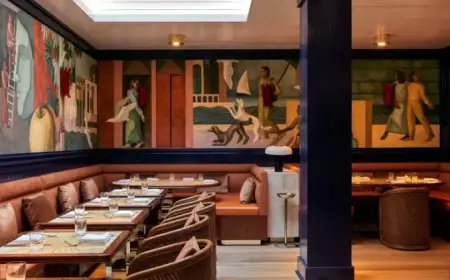
Arkansas Governor Asked to Leave Little Rock Restaurant, Incident Sparks Public Debate
Arkansas Governor Sarah Huckabee Sanders was reportedly asked to leave a Little Rock restaurant, sparking debate over politics, public spaces, and customer service in hospitality.
 Prajakta Sanjay Warwadkar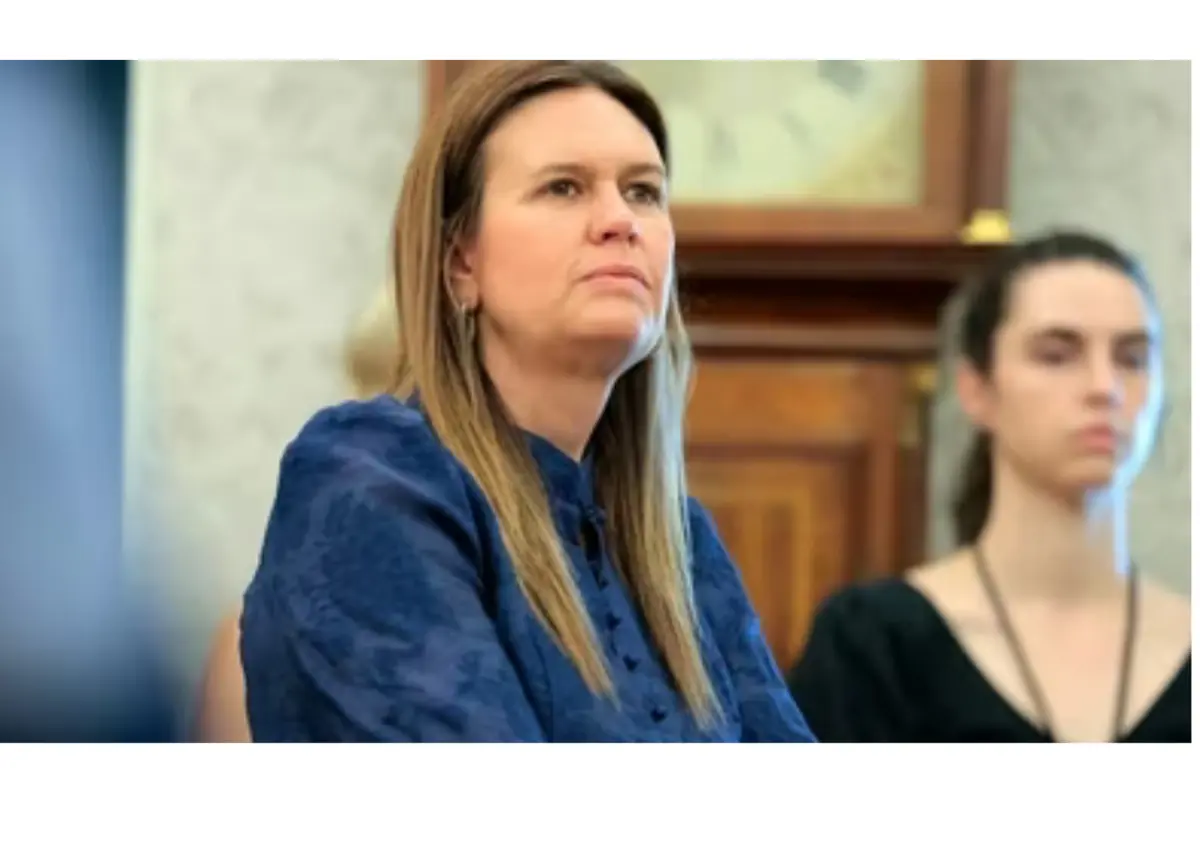
Arkansas Governor Asked to Leave Little Rock Restaurant, Incident Sparks Public Debate
Arkansas Governor Sarah Huckabee Sanders was reportedly asked to leave a restaurant in Little Rock in March 2026, triggering widespread discussion about the intersection of politics, customer service, and public conduct in the hospitality industry. The incident occurred at a local establishment and quickly gained attention across media and social platforms, raising questions about how restaurants handle high-profile guests and politically sensitive situations.
According to reports, the governor was dining at the restaurant when staff approached and requested that she leave the premises. The reasons cited were linked to concerns expressed by employees or management, although specific details about the circumstances have not been fully disclosed. The situation unfolded during regular service hours and did not escalate into a public confrontation.
Details of the Incident
The interaction between the restaurant staff and the governor was described as calm but firm. Staff members reportedly communicated their request directly, and the governor complied by leaving the restaurant shortly afterward. There were no reports of disruption to other diners or damage to the premises.
The restaurant involved has not publicly released a detailed statement outlining the rationale behind its decision. However, similar incidents in the past have often involved concerns about political affiliations, staff comfort, or potential reactions from other customers.
The lack of official clarification has contributed to ongoing speculation and debate about the motivations behind the decision.
Public and Industry Reaction
The incident has generated mixed reactions from the public and hospitality professionals. Some individuals have supported the restaurant’s decision, emphasizing the rights of private businesses to determine whom they serve. Others have criticized the move, arguing that restaurants should remain neutral spaces that welcome all customers regardless of political views.
Within the hospitality industry, the situation has sparked conversations about best practices for handling high-profile or controversial guests. Operators are increasingly aware of the potential reputational risks associated with such decisions, particularly in an era of rapid information sharing through social media.
Industry experts note that maintaining professionalism and ensuring consistent service standards are critical in preserving customer trust and brand reputation.
Balancing Business Rights and Customer Expectations
Restaurants, as private businesses, generally have the right to refuse service under certain conditions, provided their actions comply with legal frameworks and anti-discrimination laws. However, decisions involving public figures can attract heightened scrutiny and have broader implications for brand perception.
For many operators, the challenge lies in balancing their internal values, staff concerns, and customer expectations. Situations involving political figures can be particularly complex, as they may evoke strong reactions from both employees and patrons.
The incident highlights the importance of clear policies and staff training to ensure that decisions are handled consistently and professionally.
Impact on the Restaurant
The restaurant at the center of the incident is likely to experience both positive and negative attention as a result of its actions. Increased visibility can lead to a surge in customer interest, but it can also expose the business to criticism and potential backlash.
In similar cases, establishments have seen shifts in customer demographics, with some patrons expressing support while others choose to avoid the venue. Managing this dynamic requires careful communication and a focus on maintaining service quality.
Reputation management has become a key consideration for restaurants navigating high-profile situations in a highly connected digital environment.
Political Figures and Public Spaces
The presence of political figures in public spaces such as restaurants often brings additional attention and complexity. Public officials are frequently recognized and may face reactions based on their policies or affiliations, creating unique challenges for hospitality operators.
Restaurants are traditionally seen as neutral environments where individuals can gather regardless of background or beliefs. However, incidents like this illustrate how broader societal dynamics can influence interactions within these spaces.
The role of businesses in navigating political sensitivities continues to evolve, particularly in regions with diverse and engaged communities.
Legal and Ethical Considerations
From a legal perspective, restaurants must ensure that their actions align with local and federal laws governing service and discrimination. While businesses may have discretion in certain situations, they must avoid decisions that could be interpreted as discriminatory based on protected characteristics.
Ethically, the situation raises questions about inclusivity, fairness, and the responsibilities of businesses in serving the public. These considerations are increasingly important as consumers pay closer attention to the values and practices of the establishments they patronize.
Clear guidelines and transparent communication can help mitigate risks and ensure that decisions are both lawful and aligned with business principles.
Broader Implications for Hospitality
The incident underscores the growing intersection between hospitality and societal issues, including politics and public discourse. As restaurants become more visible platforms for interaction, operators must be prepared to navigate complex situations that extend beyond traditional service considerations.
Training staff to handle sensitive interactions, establishing clear policies, and maintaining a focus on professionalism are essential strategies for managing such challenges. The ability to respond effectively can influence not only immediate outcomes but also long-term brand perception.
Industry observers suggest that similar incidents may become more common as public awareness and engagement continue to rise.
Conclusion
The reported incident involving Arkansas Governor Sarah Huckabee Sanders at a Little Rock restaurant highlights the challenges faced by hospitality businesses in balancing customer service, business autonomy, and public expectations, as the situation continues to draw attention and debate.