Bare Bombay Opens in Worli as Mumbai's First Collaborative Kitchen and Art Bar
Bare Bombay in Worli opens as Mumbai's first collaborative kitchen — part art gallery, cocktail bar, and chef's table. Read the full story here.
 Prajakta Sanjay Warwadkar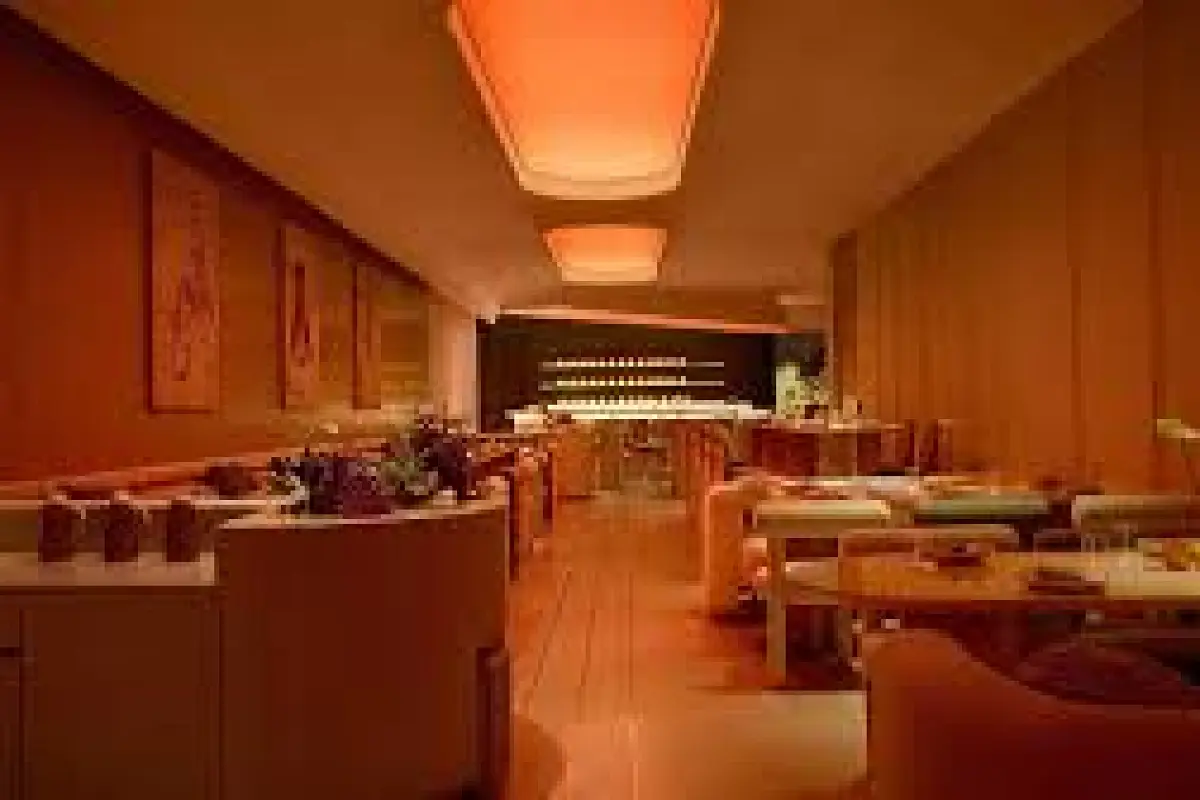
MUMBAI, May 29, 2026 — Bare Bombay, a hybrid hospitality space that functions simultaneously as a cocktail bar, contemporary art gallery, espresso bar, and India's first collaborative kitchen, has opened at Raheja Altimus in Worli, conceived by Pooja Raheja of Eat Drink Design, a boutique culinary and design studio whose first permanent venue defies easy categorisation by design rather than oversight.
The entrance to Bare does not resemble a restaurant or a bar. Hidden behind a rotating 700 sq. ft. gallery façade, the venue reveals itself only to those who know to look for it, a long black-and-white cartoon mounted at an angle on the wall bearing the word "PATIENCE" conceals a door that swings open to expose the dining room and bar within, a moment that one reviewer described as being straight out of a Nancy Drew novel. The discovery element is intentional, built into the architecture as a philosophical statement about the relationship between patience, attention, and reward in both art and hospitality.
Bare enters Mumbai's 2026 bar and restaurant landscape as one of the most formally ambitious openings the city has seen in recent years, a space that draws from Bauhaus design principles, operates on a quarterly-evolving creative calendar, and brings together a roster of collaborators from Mumbai's culinary, art, design, and coffee communities under one roof.
The Space: Bauhaus Principles Meet Mumbai's Maximum City Energy
Located at Raheja Altimus in Worli, Bare's stripped-down aesthetic operates as a counterpoint to Mumbai's pace and sensory density. Drawing from Bauhaus principles, restraint becomes a form of expression for interior designer Niketa Raheja, who deploys a material palette of warm woods, textured surfaces, matte finishes, and limestone. The result is a room that feels considered rather than calculated, a space where material, light, and silence carry the atmosphere rather than elaborate decoration.
The wide rectangular dining room features a ceiling where glowing lakes of light change colour to mimic the progression of daylight as time passes, a design element by Niketa Raheja. High and low seating zones accommodate conversations that range from animated to intimate within the same room. The space is windowless but, in the words of one reviewer, feels more like a sanctuary than a silo.
Mounted on the wall is a steel sculpture by Valay Shende, one of several contemporary artworks placed throughout the space through a curatorial partnership with A&H Colab, the art and design consultancy founded by Amrita Kilachand and Hina Oomer Ahmed, who have selected works for impact, specifically contemporary pieces with strong colour and personality. The gallery façade rotates its exhibition every three months alongside the food and beverage menu, ensuring that each new chapter of Bare presents a genuinely different cultural experience rather than a surface-level refresh.
The Food: Chef Aman Sibgal's Globally Inspired Small Plates and Chef's Table
At the heart of the venue is the Chef's Table, a narrow 11-seater counter that brings guests directly alongside the kitchen. For its opening chapter, Resident Executive Chef Aman Sibgal has developed a concept-agnostic menu built around globally inspired small plates and a compact selection of mains. The approach prioritises craft over cuisine classification, flavour-forward, technically sharp, and improvisational in its construction.
The Beet Tuna Tarte Tatin is among the dishes that has drawn attention from reviewers during the early weeks of operation, a preparation that reflects Sibgal's method of applying classical technique to unexpected ingredient combinations without allowing the technique to overwhelm the dish's identity.
Desserts come from acclaimed pastry chef Prateek Bhaktiani, who reshapes timeless classics into contemporary forms while retaining their emotional warmth, a remit that mirrors the broader philosophy of the whole space, which is less interested in novelty for its own sake than in honouring familiar ideas through a fresh lens.
The menu evolves every three months alongside the art programme, meaning that a guest who visits Bare in June 2026 will encounter a materially different food and art experience when they return in September, a model that rewards repeat visits and positions the venue as a living cultural space rather than a static dining destination.
The Drinks Programme and Boojee Cafe Espresso Bar
The espresso bar within Bare is operated by Rajdeep Singh's Boojee Café, known for precision-driven roasting and a playful approach to coffee culture. His signature cocktails and zero-proof drinks sit at the intersection of specialty coffee and mixology, another deliberate blurring of conventional category boundaries that invites guests to reconsider familiar formats.
The cocktail programme at Bare takes a numbered approach, eschewing conventional names in favour of a sequence that functions more like chapters in a narrative than a standard menu. The drinks move from the lighter, more aperitif-oriented end of the spectrum through to spirit-forward preparations, following the same arc from daytime to evening that the venue's shifting light programme traces physically across the ceiling.
Bare as a Reflection of India's Shifting Cultural Hospitality Landscape
Bare is part of a larger shift visible across Indian cities, where art is increasingly encountered not only in galleries but in cafés in Kochi, cocktail bars in Bangalore, and hotel lobbies in Jaipur, sitting alongside sound design, mixology, plating, and spatial aesthetics. Cultural spaces no longer announce themselves with white walls and track lighting; they fold into nightlife, hospitality, and everyday life.
For Raheja, Bare represents the first permanent expression of a creative practice that has operated through Eat Drink Design for years. The collaborative kitchen model, which brings in guest chefs, pastry specialists, coffee operators, and art curators as equal contributors to the venue's identity rather than as hired service providers, is a structural statement about how she believes hospitality spaces should function in 2026.
The idea of "evolving by design" becomes the venue's core operating principle, one that mirrors how cultural consumption itself has changed in Indian cities, where audiences expect spaces to keep pace with their own expanding aesthetic vocabularies.
Bare Bombay is located at Raheja Altimus in Worli, Mumbai. Reservations and further information are available through the venue's Instagram at @bare.bombay.
More information about Indian cuisine and its regional diversity can be explored through Indian cuisine history and traditions.
Businesses monitoring hospitality expansion trends can also explore restaurant industry growth trends for 2026 to understand how regional food concepts are shaping dining markets.