BIG CAT Raleigh Restaurant Named in NYT Top 50 of 2026
BIG CAT Raleigh restaurant earns a New York Times Top 50 spot in its opening year, recognized for global southern food and duck fat chicken wings on Brookside Drive.
 RUKAIYA KADIWAL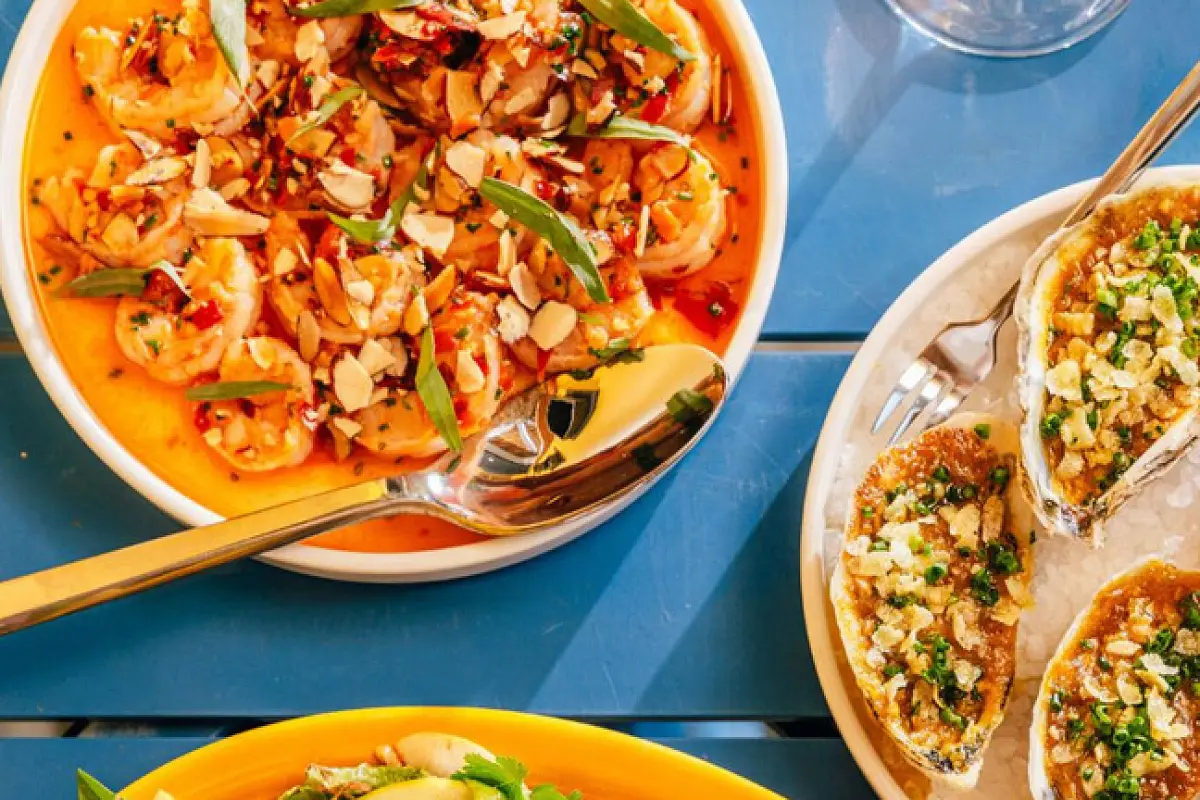
The cat kitsch was somebody's idea of a joke that turned out to be the most honest thing about the place. Ceramic cats on shelves. Cat-themed signage in a room that otherwise takes its food more seriously than its décor would suggest. Five people came together in Raleigh in March 2026 and built something they called a neighborhood restaurant and bodega, which is a description that undersells what happens inside it and is probably meant to. A New York Times critic named Kim Severson visited, ate the chicken wings fried in duck fat, found the coconut-milk soft serve with toasted coconut and fresh lime zest, and left with something to say. Sixteen critics traveled the country for that list. One of them ended up on Brookside Drive.
BIG CAT Raleigh Restaurant Named in the NYT Top 50 of 2026
BIG CAT Raleigh restaurant was named among the New York Times' 50 favorite restaurants in America for 2026, making it the only North Carolina best restaurant 2026 selection on a list compiled by sixteen critics who traveled the country to assemble it. The list is unranked and consists only of locations not included on previous editions, meaning BIG CAT North Carolina earned its place as a new entry rather than a returning favorite. It opened in March 2026 at 1000 Brookside Drive, Suite 119, Raleigh, and appears on the list less than seven months after its first service.
The New York Times described the restaurant as a global southern food restaurant, a category that the restaurant's five co-founders have assembled from the overlapping culinary backgrounds they brought to the project. Five of Raleigh's best chefs, restaurateurs and bar owners, in the Times' own words, came together to create what it called a sly, inviting neighborhood restaurant and bodega complete with cat kitsch and a deceptively familiar menu. That phrase, deceptively familiar, contains the most useful information in the description. The menu looks like something you have encountered before. It is not.
What Five People Built Together in Seven Months
Opening a restaurant by committee is the kind of decision that hospitality industry observers typically view with caution. Five people who have each built their own careers in Raleigh's food and bar scene bring five sets of opinions, five working styles, and five different relationships with the risk that every restaurant opening represents. What BIG CAT Raleigh demonstrates, seven months into its existence, is that the combination of those five perspectives produced something more specific and more confident than any single one of them might have arrived at alone.
The restaurant's Instagram post in response to the New York Times recognition said something that most restaurants know and few say publicly. "Opening a restaurant is incredibly hard. Running a restaurant is even harder, so it means THE WORLD to us when someone comes, enjoys themselves, and leaves excited to return." The capitals belong to the restaurant, not the reporter. The sentiment behind them belongs to every person who has built a kitchen from nothing and waited to find out whether anyone would show up.
The Dishes the New York Times Chose to Name
In a list of fifty restaurants across the entire United States, the New York Times has limited space to describe what any single entry does. The dishes it chose to name for BIG CAT restaurant Raleigh are therefore a selection rather than a menu, chosen because they communicate something specific about what the kitchen is doing and why it is worth the trip to Brookside Drive.
Chicken wings fried in duck fat is a preparation that uses the logic of American bar food as a vehicle for a technique more commonly associated with French cooking. The fat renders more slowly and at a higher temperature than vegetable oil, producing a skin that is simultaneously more crisp and more deeply flavored than the conventional preparation. Caramelized wedges of charred cabbage in lime leaf and ginger dressing over tofu pesto brings together Southeast Asian aromatics, European vegetable cooking technique, and a protein base that does not announce itself as a vegan option but functions as one. Cornbread with curry leaf butter puts a southern American staple in conversation with South Asian flavoring without explaining the decision or asking the diner's permission. Coconut-milk soft serve with toasted coconut and fresh lime zest is a dessert that tastes like a specific place even if that place is hard to name precisely.
The phrase global southern food restaurant makes more sense after these dishes than before them. The global is in the technique and the aromatics and the cultural references that the menu draws on without restriction. The southern is in the format, the bodega character, the neighborhood positioning, the cornbread that arrives before you have thought to ask for it.
The NYT List and What It Means to Appear on It
The New York Times Best Restaurants 2026 list carries a specific authority in the American dining conversation because of what the compilation process requires. Sixteen critics, traveling the country across multiple visits, eating in restaurants that may not know they are being evaluated, making choices that can only include fifty entries from a national restaurant landscape of hundreds of thousands of operators. The selectivity is what gives the list its weight. Appearing on it is not an endorsement of a type of restaurant or a cuisine. It is a statement that this specific kitchen, at this specific address, was doing something that the critics who traveled to find it found worth telling the country about.
For BIG CAT Raleigh to appear on the New York Times Top 50 restaurants list in its opening year is a compression of the timeline that most restaurants spend working through before national recognition arrives. A restaurant that opened in March and appeared on a national best-of list in September has not had time to become comfortable with its own identity. It has had time to develop it with a specificity that critics who have seen hundreds of restaurants recognize as unusual, which is a different kind of achievement from longevity.
Raleigh's Moment and What BIG CAT Represents Within It
Among the southern entries on the New York Times Best Restaurants 2026 list, BIG CAT North Carolina sits alongside restaurants in Miami, Charleston, Atlanta, Montgomery, Fairhope, New Orleans, Austin, and Nashville, cities that carry varying degrees of established culinary reputation. Raleigh's placement on the list is notable in part because the city's food scene has been developing its national profile over the past decade without yet producing the kind of concentrated restaurant density that cities like Nashville and Atlanta have used to establish their culinary identities in national conversations.
A single restaurant earning a New York Times Top 50 restaurants entry does not define a city's food culture. But it marks a data point in the argument about what the city is capable of producing, and the argument about Raleigh has been building across exactly the period in which the five people behind BIG CAT restaurant Raleigh were developing their individual careers before combining them into something the Times found worth the visit.
The Bodega Character and What It Hides in Plain Sight
The description of BIG CAT Raleigh as a neighborhood restaurant and bodega is the most strategically useful element of how the restaurant presents itself. A bodega operates on the assumption of availability and necessity, a place you go because it is there and because it has what you need at the price you can pay. The bodega does not ask you to dress for it. It does not require a reservation weeks in advance. It fits into the neighborhood around it rather than standing apart from it.
What BIG CAT North Carolina has done is carry that character into a kitchen that is doing something considerably more considered than the format implies. The cat kitsch on the shelves and the inviting neighborhood atmosphere described by the Times are not accidental. They are a design decision about how much the restaurant wants to announce itself before the food does. The chicken wings fried in duck fat announce themselves through taste. The décor announces nothing in particular, which is exactly what the five people behind the project intended when they chose the name, filled the shelves with ceramics, and opened a kitchen that the New York Times eventually found its way to.
A Deceptively Familiar Menu and a Very Specific Address
Brookside Drive, Suite 119, Raleigh, is now on a national list. The five people who put it there have been part of the city's food and bar scene long enough to understand what the city's diners need from a restaurant before they understood what this particular restaurant would give them. The deceptively familiar menu that the Times found at BIG CAT Raleigh restaurant is the product of that understanding applied to a set of ingredients and techniques drawn from further afield than familiarity usually reaches. Duck fat and lime leaf and curry leaf butter and coconut-milk soft serve on a menu that reads like a neighborhood joint is what five people's combined careers in food and hospitality look like when they stop working separately and build something together. The cat on the shelf is watching everyone eat. It has been watching since March and it will keep watching, now that the country has been told what is happening on its shelves.
Related reading: US and China fast food chains swap markets and find takers