US and China Fast Food Chains Swap Markets and Find Takers
US and China fast food chains are reshaping global dining as Wallace serves 3 chicken sandwiches for 10 dollars in California while KFC builds its 13,000th Chinese location.
 RUKAIYA KADIWAL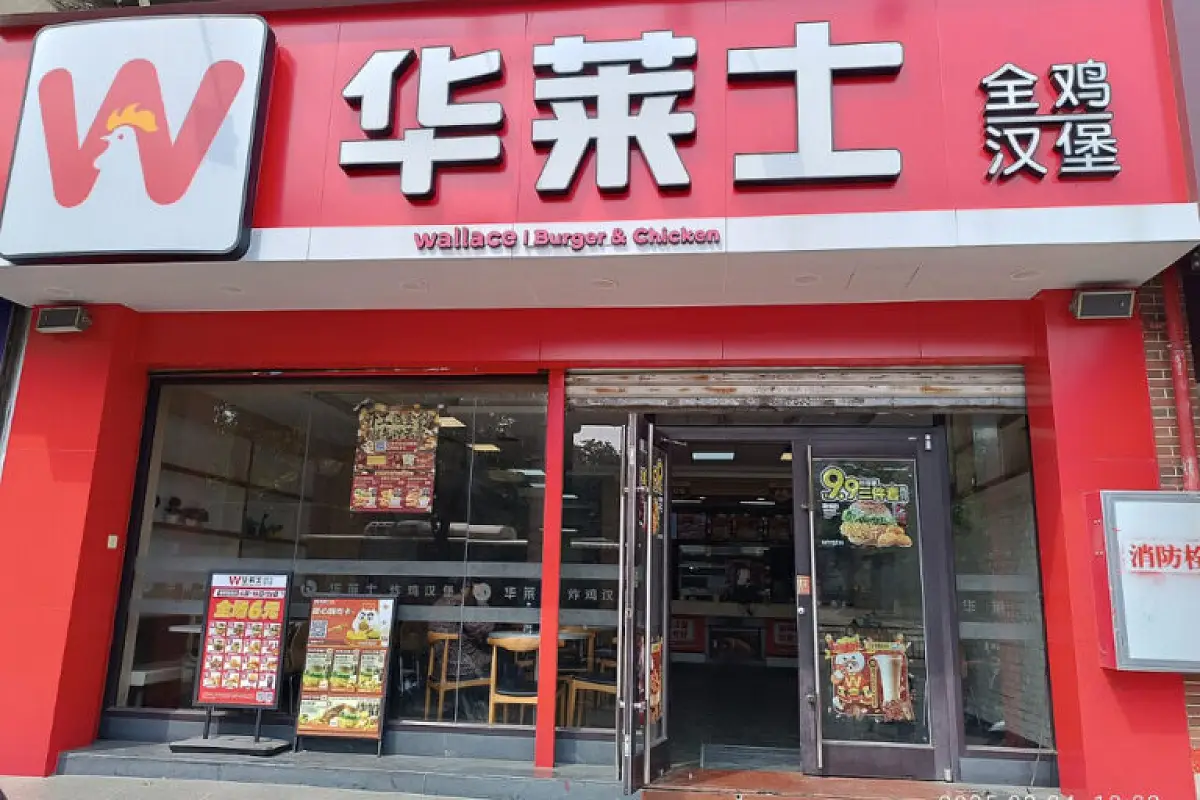
The sign above the storefront is red and unmistakable. A stylised W beside a chicken. The Chinese characters for whole chicken hamburger. Below them, in smaller Latin script, the English translation: Wallace Burger and Chicken. The store is in Fujian province, where the company behind it was founded, and the people queuing inside are the same kind of people who queue inside fast food restaurants everywhere. Wallace has been serving this queue for long enough that its red and white color scheme has become part of the visual texture of Chinese commercial streets. What is new is that Wallace is now trying to become part of the visual texture of California streets too.
US and China Fast Food Chains Build a Two-Way Exchange
The simultaneous expansion of US and China fast food chains into each other's home markets has produced one of the restaurant industry's more quietly consequential stories. American fast food in China has been growing for decades. Chinese food brands America is arriving with growing confidence. What is different in 2026 is the pace with which Chinese restaurant brands USA are making their entries, moving from cultural curiosity to genuine commercial competitors with pricing strategies and consumer appeal that American operators are beginning to take seriously.
Wallace has grown to more than 20,000 restaurants in China by selling American-style chicken sandwiches and burgers at prices that undercut the American chains that originated the format. In California, where the chain has begun opening stores, it sells three full-size chicken sandwiches for ten dollars, a price point the American fast food industry has not seen from a credible operator in years. This is what fast food expansion China has produced: a competitor capable of taking its cost discipline into new markets.
The Wallace Formula and How It Travels
Wallace's business model was built on a specific insight about the Chinese market. The consumers who could not afford KFC China on a daily basis still wanted fried chicken and burgers, and a domestic brand willing to price significantly below the American original could capture that aspiration at volume. The formula worked at a scale that makes Wallace one of the largest restaurant chains in the world by unit count, even if it remains unfamiliar to most Western food industry observers.
Bringing that formula to the United States requires a different calculation. The American fast food market is mature, densely served, and deeply familiar to its customers. A new entrant among Chinese fast food chains in the US selling chicken sandwiches in California is not offering American consumers something they have never had. It is offering a version of something they already know, at a price lower than established domestic chains charge.
Aaron Allen and the Manufacturing Analogy
Aaron Allen, founder of restaurant consulting firm Aaron Allen and Associates, framed the competitive logic behind global fast food expansion with a directness the industry rarely applies to itself. "The Chinese can build stuff cheaper and faster," he said. "Why would that not apply to food?" If the production efficiency that has made Chinese manufacturing globally competitive operates in food service as well, then Chinese restaurant brands USA entering with lower construction costs and lower margins represent a structural competitive challenge rather than a passing novelty.
The scale from which US and China fast food chains are now competing gives Allen's observation its full commercial weight. Wallace's 20,000 Chinese locations were built on a development model that American chains would not recognise, with unit economics refined across tens of thousands of stores in a market that demanded price discipline above everything else.
What KFC China's 13,000 Locations Built
KFC China entered mainland China in 1987 with a single Beijing restaurant that customers treated as a premium experience. Shaun Rein, founder of the Shanghai-based China Market Research Group, described the context precisely. "McDonald's and KFC were a beacon of health and hygiene compared to what you had in the rest of the market," he said. The restaurant was a statement about aspiration in a country where aspiration was newly permitted to express itself through consumption.
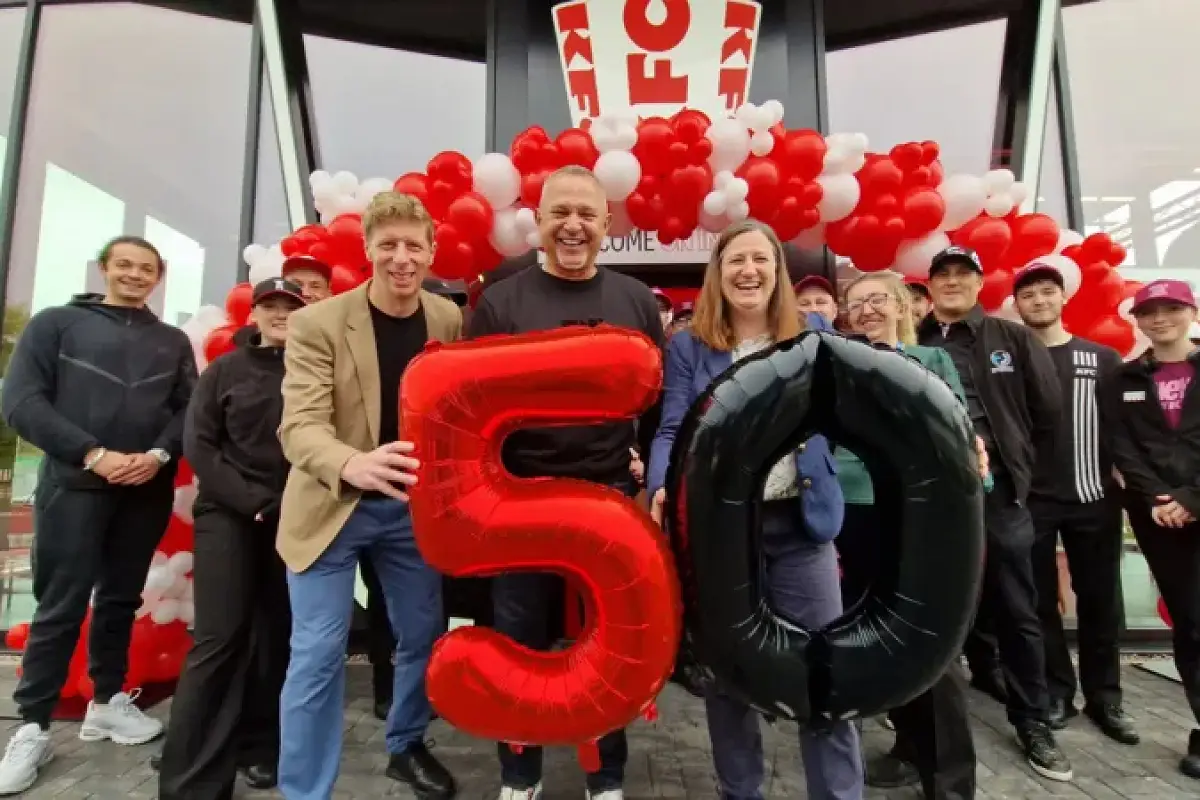
Approximately 13,000 KFC China restaurants later, with McDonald's planning 1,000 new Chinese openings in the current year and 10,000 total by 2028, the US-China restaurant industry relationship has become the world's largest bilateral fast food market exchange. American fast food in China has adapted menus, ownership structures, and operational models to serve Chinese consumers rather than simply export American product.
Mixue US Expansion and the Drink-First Strategy
Most Chinese fast food chains in the US have begun with drinks and snacks rather than full meals. Mixue US expansion opened its first three American stores in December and announced at least two dozen more locations across four states. Heytea has reached 40 US locations. Luckin Coffee, which overtook Starbucks as China's largest coffee brand, operates 20 New York locations.
The pricing advantage these Chinese food brands America deploy is deliberate. At a Mixue in Hollywood, a medium matcha latte costs $6.83 against the Starbucks equivalent at nearly a dollar more. At least nine mainland Chinese chains have opened US locations since 2023, concentrating first in drinks and snacks before committing to the higher capital complexity of full-service meals. The Mixue US expansion alone has demonstrated that American consumers will stand in a queue for a Chinese brand when the product and price are right.
The Risks That the US-China Restaurant Industry Carries
Neither direction of the US-China restaurant industry exchange is without complications. Aaron Allen identified two specific risks for Chinese restaurant brands USA: consumer backlash if they are seen undercutting domestic competitors using low-cost Chinese inputs, and regulatory scrutiny over data practices. Wallace's US operations do not prominently feature the brand's Chinese ownership on its American-facing digital presence, a decision that may reflect awareness of how country-of-origin associations have become commercially sensitive.
For American fast food in China, the risks are different in character. Partnership dependence, menu adaptation requirements, and vulnerability to shifts in consumer sentiment tied to geopolitical tension are factors that no brand presence, however established, can fully insulate against. Earlier this year, a Chinese investment firm acquired a 60 percent stake in Starbucks' China operation, illustrating what happens when the market moves faster than the operating model.
Yaling Jiang and the Gastrodiplomacy Framework
Yaling Jiang, founder of ApertureChina, calls what is happening between the two food industries gastrodiplomacy. In her framework, US and China fast food chains crossing political boundaries are doing something that governments cannot accomplish through official channels. "Consumerism builds a safe, introductory channel for contemporary Chinese culture and can be a great way to elevate China's soft power," she said. For Americans, the Chinese food brands America now opening in New York and California are serving as their nation's unofficial cultural ambassadors in a period when official channels between the two countries are carrying significant freight in the other direction.
A Red Storefront and the Distance It Crossed to Get Here
The global fast food expansion story playing out between the United States and China is, at its most human level, a story about what people choose to eat when they have options. The ten dollars that buys three chicken sandwiches at Wallace in California is a price refined across 20,000 Chinese locations before it crossed the Pacific. The fast food expansion China model that built those 20,000 stores on price discipline and production efficiency did not change when it arrived in Fujian and did not change when it arrived in California. Whether that discipline is enough to build durable loyalty in a market that already has American fast food in China's original creators competing at slightly higher prices on nearly every commercial block is the question that will take several years of US and China fast food chains competing side by side to answer properly. The queue is already forming.
Related reading: SeaWitch Tiki Bar Carolina Beach closes after 31 years