Chef Gabriel Balderas Opens Papalotl in Oaxaca, Expanding Beyond Shreveport
Chef Gabriel Balderas expands internationally with Papalotl in Oaxaca, Mexico, focusing on local ingredients, zero-waste practices, and in-house production.
 Prajakta Sanjay Warwadkar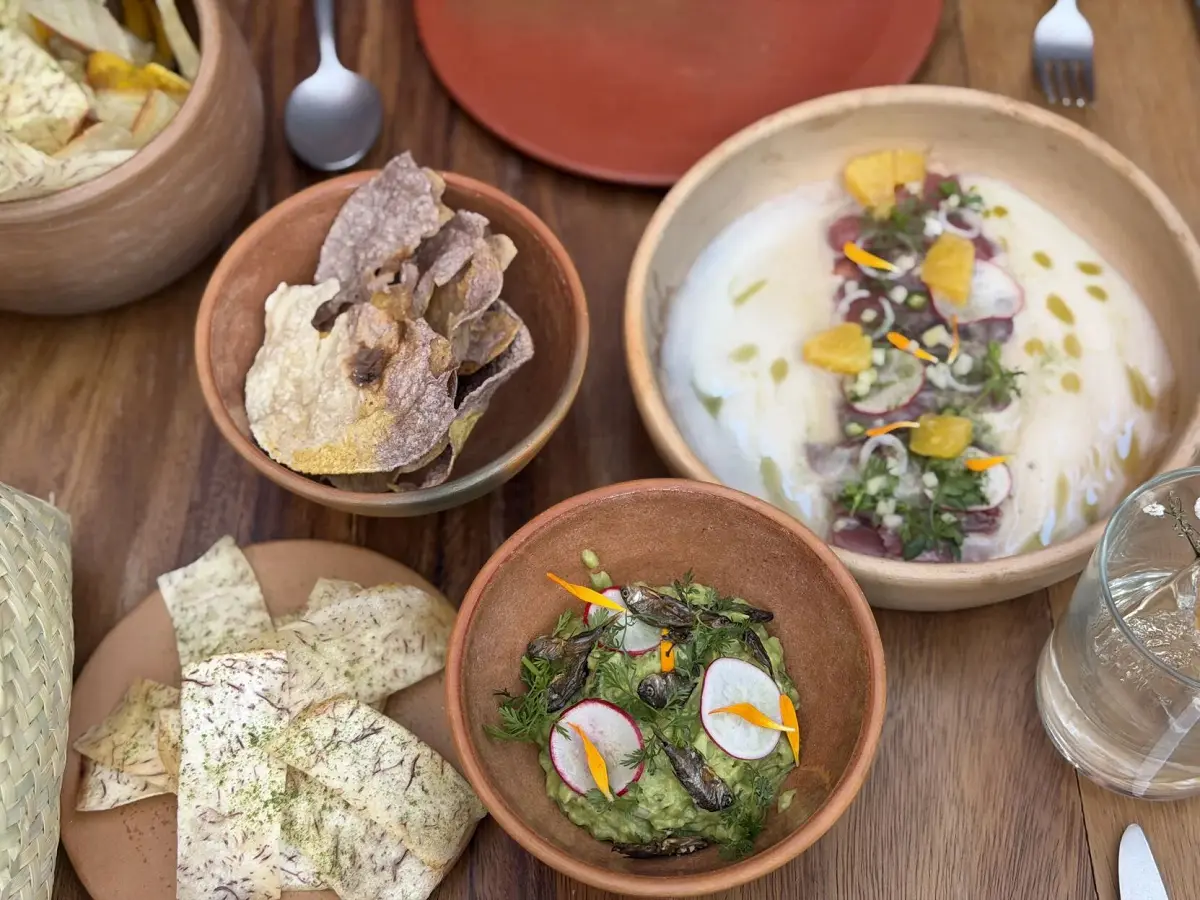
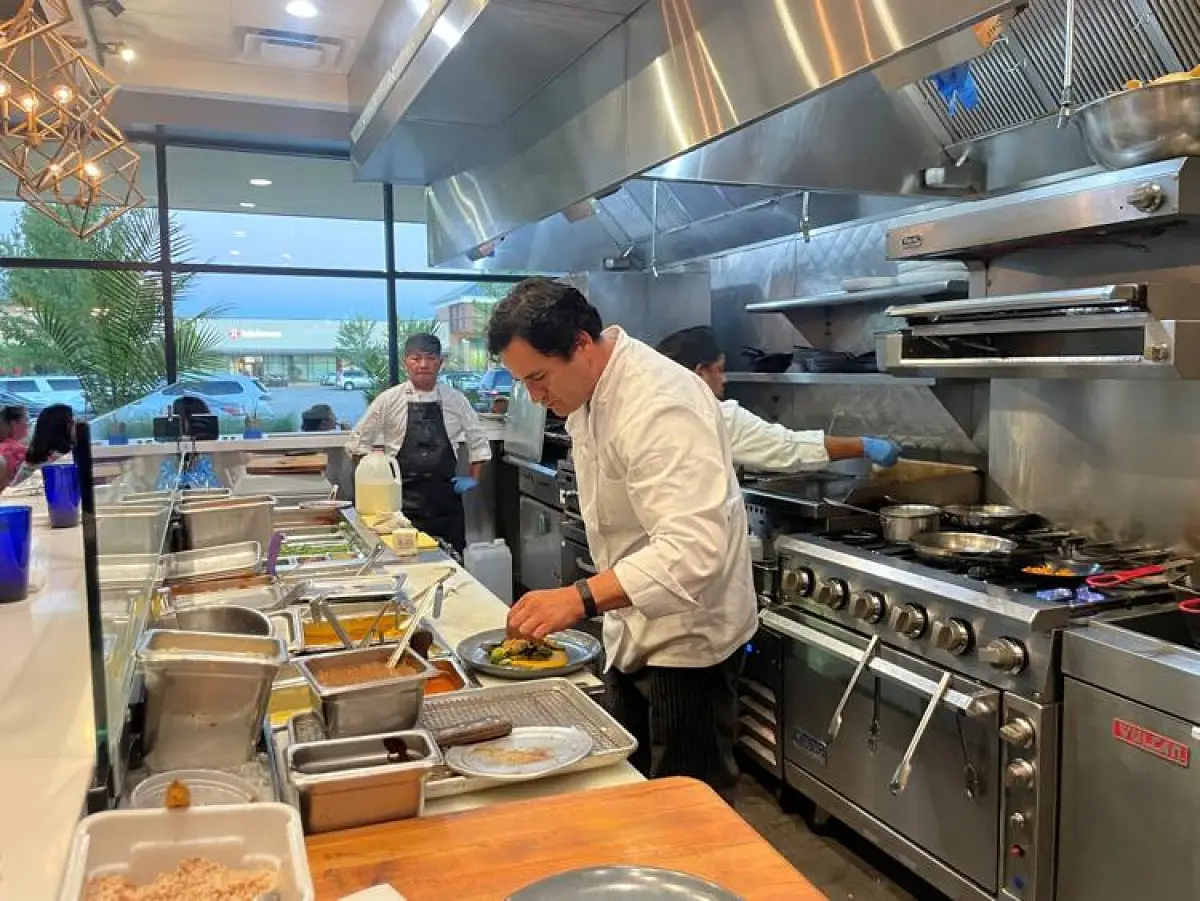
Chef Gabriel Balderas, owner of Zuzul Coastal Cuisine and El Cabo in Shreveport, has opened a new restaurant, Papalotl, in Oaxaco, marking his expansion beyond the United States into Mexico. The restaurant introduces a locally driven, ingredient-focused concept built around regional sourcing and in-house production.
New Restaurant Concept Rooted in Regional Identity
Papalotl, named after the Nahuatl word for “butterfly,” reflects themes of transformation and cultural connection, according to details shared at launch. The concept is positioned as more than a traditional restaurant, with Balderas describing it as a broader cultural initiative aimed at highlighting regional ingredients and supporting local producers.
The restaurant is located in Oaxaca, a region known for its diverse geography, including rainforest, mountains, coastal areas, and desert zones. This environmental variation enables access to a wide range of ingredients, which form the foundation of the menu and overall concept.
Balderas, who maintains strong ties to his hometown region, stated that the project represents a return to his roots while leveraging local culinary traditions and underutilised ingredients that are not widely recognised, even within Mexico.
Ingredient Sourcing and Production Model
The restaurant’s operational model centres on sourcing ingredients locally and producing key components in-house. Ingredients highlighted include vanilla, cacao, coffee, and tropical fruits native to the region. Oaxaca is identified as the historical origin of vanilla cultivation, with Balderas noting access to multiple varieties of vanilla beans, including exclusive variants used in specific dishes.
In addition to ingredient sourcing, Papalotl incorporates in-house production across several categories. The restaurant produces its own chocolate, breads, and roasted coffee, while also utilising seed-free oil across its cooking processes. This vertically integrated approach mirrors Balderas’ existing practices in Shreveport, where he operates a farm supplying poultry, eggs, vegetables, and herbs to his restaurants.
The chef emphasises traceability and ingredient quality as central to his philosophy, focusing on understanding sourcing origins and production methods as part of the dining experience.
On-Site Lab and Beverage Program Integration
A key operational feature of Papalotl is an adjacent laboratory facility used for distillation and ingredient processing. The lab enables the production of house-made spirits, essential oils, and aromatic elements used in the restaurant’s beverage program.
The cocktail offering integrates these elements, with drinks incorporating house-produced essences and perfumes. This approach is intended to differentiate the bar program while aligning with the restaurant’s broader focus on in-house production and ingredient control.
The integration of a lab-based system into restaurant operations reflects a growing trend in high-end dining, where culinary and beverage development increasingly overlaps with experimental and technical processes.
Zero-Waste and Sustainability Practices
Papalotl operates as a zero-waste restaurant, implementing processes designed to minimise waste across kitchen operations. One example includes repurposing cacao pods used in chocolate production by dehydrating them for use as serving vessels.
This approach aligns with broader sustainability objectives, focusing on maximising resource utilisation and reducing environmental impact. The zero-waste model is combined with local sourcing, reinforcing the restaurant’s emphasis on environmental and community considerations.
Balderas positions these practices within a wider responsibility framework, linking food production and consumption to long-term sustainability and health outcomes.
Community Engagement and Economic Focus
Beyond culinary operations, the restaurant is intended to support local communities by creating demand for regional ingredients. Balderas stated that the project involves working with producers in areas that have historically lacked commercial incentives, aiming to create new economic opportunities through increased visibility and demand.
This community-focused approach forms part of the restaurant’s broader positioning as a cultural and economic initiative, rather than solely a commercial dining venture.
The opening of Papalotl represents Balderas’ latest expansion following his established operations in Shreveport. While his U.S.-based restaurants continue to operate with a farm-to-table model supported by local sourcing, the Oaxaca project extends this philosophy into a region with distinct agricultural and culinary characteristics.
As of April 2026, Papalotl is operational in Oaxaca City, with its concept centred on regional ingredient utilisation, in-house production, and sustainability-driven practices, reflecting an integrated approach to dining and food systems.