Southwest Airlines Launches ChatGPT Flight Search Plugin
Southwest Airlines launched a ChatGPT flight-search plugin for comparing fares and schedules, while keeping payments, seat selection and bookings on its own website.
 Jishan Khan
Southwest Put Its Fares Inside ChatGPT but Kept the Cash Register on Southwest.com
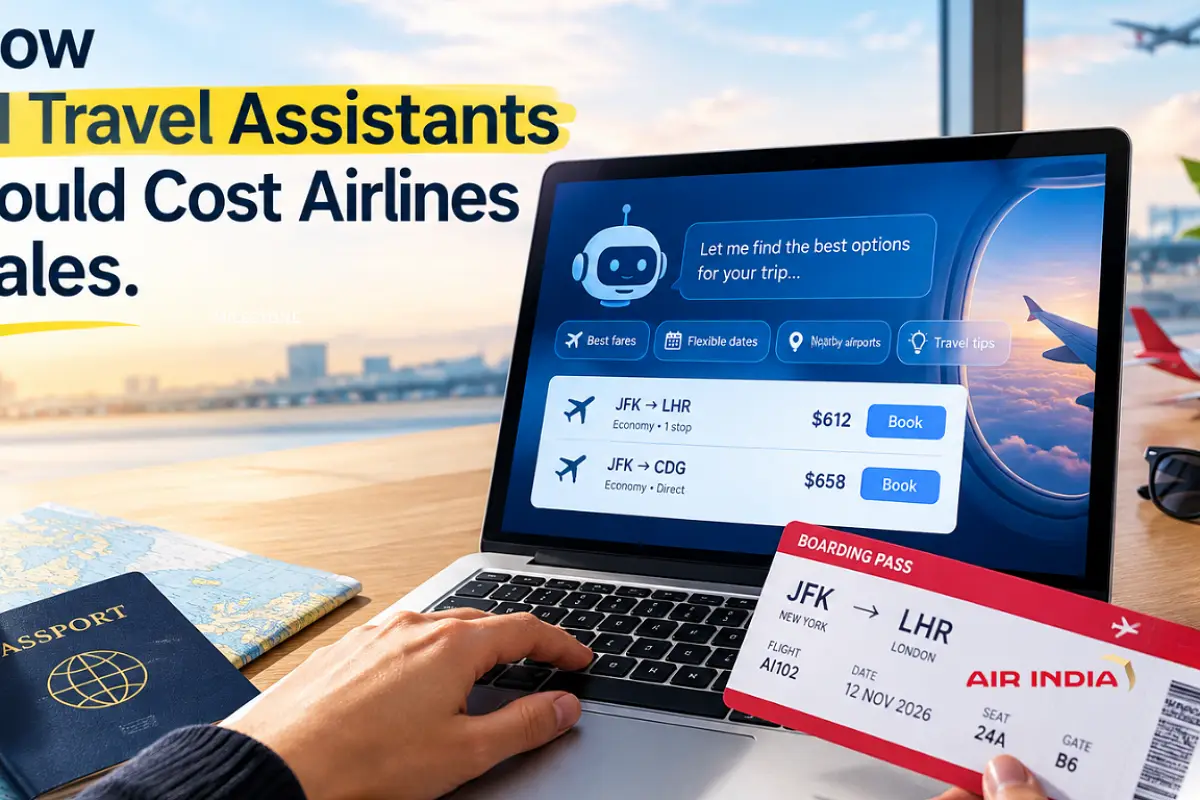
Southwest Airlines launched a ChatGPT plugin on October 6, 2026, built with OpenAI and Amazon Web Services, which lets travellers discover destinations and compare Southwest schedules, availability and fares inside a ChatGPT conversation. When they are ready to book, they are sent to Southwest.com to complete the purchase. Southwest calls it the first step in a “phased AI-powered booking approach” and says it is the first plugin of this kind from a US airline. Sabrina Callahan, the airline’s Chief Digital and Marketing Officer, put the strategy simply: “Customers are evolving how they plan their travel, and Southwest is helping to shape what comes next.”
What the Plugin Does, and Where It Stops
According to PhocusWire, travellers install the plugin, then ask natural-language questions and see Southwest options in the chat. Everything beyond comparison stays with the airline: loyalty access, seat selection, ancillaries and payment are handled on Southwest’s website or app. One coverage piece adds that account sign-in, Rapid Rewards management and tier or cardmember seat benefits all remain on Southwest.com. Press materials call it a plugin, though one explainer notes users actually connect it through ChatGPT’s apps section, reflecting how OpenAI now labels these integrations.
Why Southwest Kept the Transaction on Its Own Site
The handoff is a deliberate choice, and Southwest’s history helps explain it. Wikipedia’s account of Kiwi.com records a dispute that ended with an injunction prohibiting Kiwi.com from selling Southwest’s flights without authorization, a reminder that the airline has long guarded who sells its fares. A plugin the airline builds itself is the opposite of that dispute: Southwest supplies the data, defines what is shown, and keeps the customer relationship at the point of purchase.
The arrangement also limits Southwest’s exposure. One coverage piece points out that because OpenAI runs ChatGPT, Southwest does not control the platform’s generated answers, and that fares and schedules can change, so the information on Southwest.com governs the final purchase. Pulling live data from the airline directly also addresses a weakness of generic chatbot answers, which one explainer notes can rely on web search or training data and so show outdated prices.
This Is a Visibility Play, and It Answers the Problem This Feed Covered Last Week
Last week this feed covered research suggesting AI assistants often cite travel agents and comparison sites rather than airlines’ own pages, and that inconsistent product descriptions can keep an airline out of recommendations. That analysis found that for 85 of 101 airlines studied, assistants linked more often to intermediaries than to the airline’s own site. A first-party plugin is one answer: instead of hoping an assistant interprets scattered information correctly, the airline gives it a direct, accurate source for fares and schedules.
The reach is limited by the install step. The plugin helps travellers who connect it, and the sources I reviewed do not say it changes what ChatGPT recommends by default. That is a narrower claim than “Southwest now appears in AI search.” It also sits alongside the start-ups competing at the World Aviation Festival this week, such as Zerolook, which targets low-cost flight shopping for AI-generated search volume, and Bonafide, which works on making AI systems describe a brand accurately. Those companies sell to the same problem Southwest has solved for itself with its own build.
Who Else Is Already There
Southwest is not alone. PhocusWire reports that easyJet launched a flight search plugin in ChatGPT this month, joining Virgin Atlantic and Turkish Airlines, and that Skyscanner, eDreams ODIGEO and Ixigo launched ChatGPT apps supporting flight shopping earlier in 2026. Southwest’s claim is specifically to be the first US airline. The useful distinction among these is where payment happens. The sources describe all of them as flight search and shopping tools, and none of the coverage I reviewed documents any of them completing a purchase inside ChatGPT. That matches the survey data covered here last week, which found only 14% of US adults used AI to both research and book.
What “Phased” Implies
InsideFlyer says future updates may include booking and itinerary tools, though that is speculation rather than a Southwest commitment. Moving payment into the conversation would require identity, loyalty linking and payment security to work inside a third-party interface, the very elements Southwest currently keeps on its own properties. That is likely why the first phase stops at discovery.
What to Watch
The key questions are measurable. Will Southwest report how many bookings begin in ChatGPT? Do other US carriers follow? And does a second phase move more of the transaction into the conversation, or does the handoff to the airline’s website remain the permanent rule? For now, Southwest has chosen to show its fares where travellers are starting to plan, while keeping control of the sale.