Chef Giorgio Pignagnoli Emphasizes Guest Experience Over Michelin Stars in Restaurant Strategy
Chef Giorgio Pignagnoli advocates prioritizing guest satisfaction and full dining rooms over chasing Michelin stars, highlighting a shift in restaurant success strategies.
 Prajakta Sanjay Warwadkar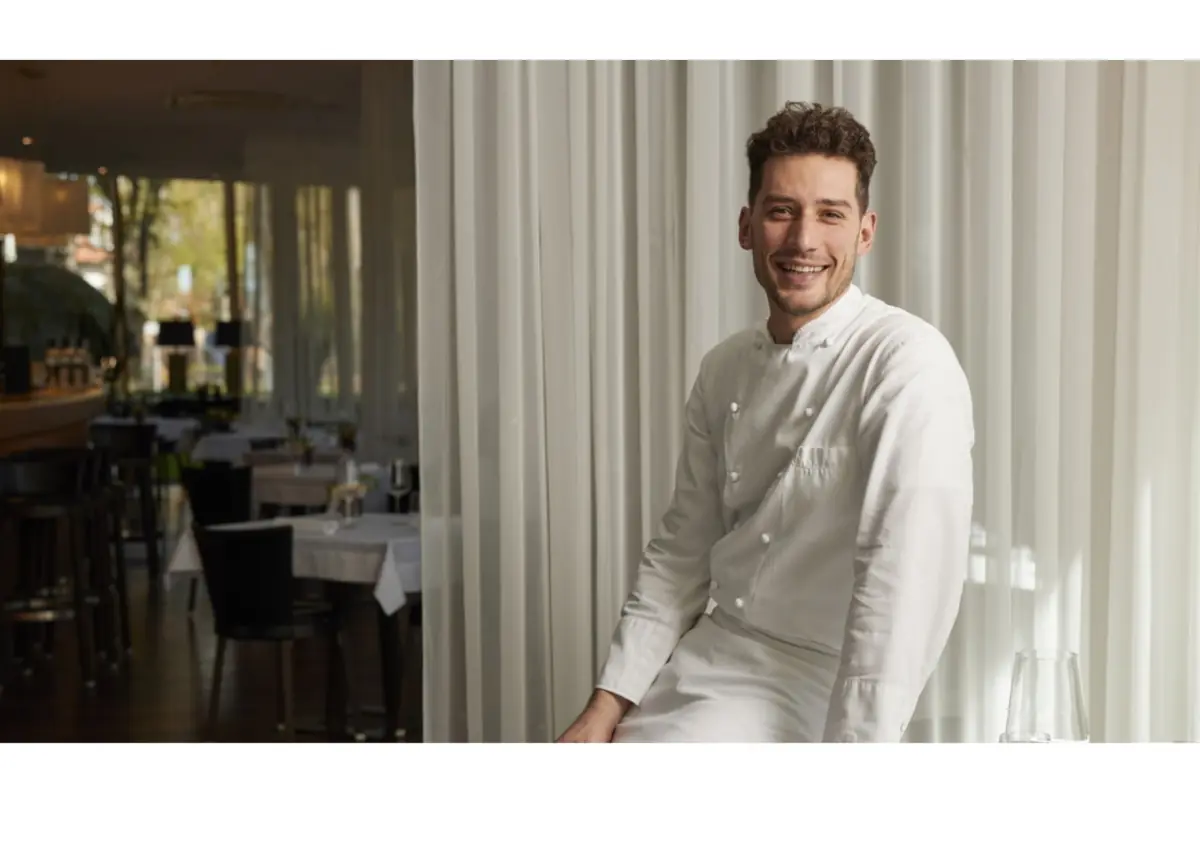
Chef Giorgio Pignagnoli Emphasizes Guest Experience Over Michelin Stars in Restaurant Strategy
Chef Giorgio Pignagnoli has called for restaurants to prioritize guest satisfaction and full dining rooms over the pursuit of Michelin stars, stating in a recent interview that success in the hospitality industry should be measured by customer engagement rather than accolades. Speaking in 2026, Pignagnoli highlighted the importance of creating vibrant, well-attended spaces where guests feel valued, arguing that recognition should follow naturally rather than drive operational decisions.
The chef’s comments come at a time when the global restaurant industry is reassessing traditional benchmarks of success. While Michelin stars have long been considered a pinnacle achievement in fine dining, many operators are increasingly focusing on sustainable business models, consistent footfall, and customer loyalty as more reliable indicators of long-term viability.
Shifting Priorities in Fine Dining
Pignagnoli emphasized that restaurants should first aim to build strong relationships with their customers, ensuring that the dining experience meets expectations and encourages repeat visits. According to him, a full restaurant reflects a successful operation more accurately than external recognition alone.
This perspective aligns with a broader shift within the fine dining sector, where chefs and restaurateurs are moving away from rigid, award-driven approaches toward more flexible and guest-centric models. The emphasis is increasingly on accessibility, comfort, and delivering value without compromising quality.
Industry observers note that the pressure to achieve and maintain Michelin stars can sometimes lead to high operational costs and intense working conditions, prompting some chefs to reconsider their priorities.
The Role of Michelin Stars in Modern Hospitality
Michelin stars continue to hold significant prestige and can elevate a restaurant’s global profile. However, Pignagnoli argued that chasing such recognition should not come at the expense of the overall dining experience or business sustainability.
He suggested that an overemphasis on awards can divert attention from core aspects of hospitality, such as service quality, menu consistency, and customer satisfaction. In contrast, restaurants that focus on these fundamentals are more likely to build lasting success.
The debate reflects ongoing discussions within the industry about the relevance of traditional rating systems in an evolving market where consumer expectations are rapidly changing.
Balancing Creativity and Commercial Viability
Pignagnoli also highlighted the need for chefs to balance culinary creativity with commercial realities. While innovation and artistic expression remain central to fine dining, they must be supported by a business model that ensures steady revenue and operational efficiency.
Restaurants that consistently attract guests are better positioned to invest in quality ingredients, staff development, and menu innovation. This creates a virtuous cycle where customer satisfaction drives business performance, which in turn supports further improvements.
The focus on full dining rooms underscores the importance of understanding market demand and adapting offerings to meet customer preferences.
Changing Consumer Expectations
Modern diners are increasingly seeking experiences that combine high-quality food with a welcoming and engaging atmosphere. While fine dining remains popular, there is growing demand for environments that feel less formal and more inclusive.
Pignagnoli’s approach reflects this shift, advocating for restaurants to create spaces that appeal to a broader audience without sacrificing culinary standards. By prioritizing guest experience, operators can build stronger emotional connections with their customers.
This trend is particularly evident among younger demographics, who value authenticity, comfort, and memorable experiences over traditional markers of prestige.
Operational Implications for Restaurateurs
The emphasis on guest experience has practical implications for restaurant operations. From staff training to menu design and service delivery, every aspect of the business must be aligned with the goal of enhancing customer satisfaction.
Investing in team development, maintaining consistency, and creating a positive work environment are critical factors in achieving this objective. Restaurants that succeed in these areas are more likely to deliver a seamless and enjoyable experience for their guests.
Additionally, focusing on occupancy and customer retention can provide more stable revenue streams compared to relying solely on recognition-driven demand spikes.
Industry-Wide Reflection on Success Metrics
Pignagnoli’s comments contribute to a broader industry conversation about redefining success in hospitality. As economic pressures, changing consumer behavior, and increased competition reshape the landscape, traditional metrics are being reevaluated.
Many operators are now considering factors such as customer satisfaction scores, repeat business, and overall profitability as more meaningful indicators of success. This shift reflects a move toward more holistic and sustainable approaches to restaurant management.
While awards and accolades remain valuable, they are increasingly seen as complementary rather than central to a restaurant’s strategy.
Future Outlook for the Fine Dining Sector
The fine dining sector is expected to continue evolving, with greater emphasis on flexibility, inclusivity, and customer-centric approaches. Chefs and restaurateurs are likely to experiment with new formats and concepts that balance high standards with broader appeal.
Pignagnoli’s perspective suggests that the industry may move toward a model where success is defined by the ability to consistently deliver positive guest experiences while maintaining financial stability.
This approach could also help address challenges such as rising costs and labor shortages by focusing on efficiency and customer-driven growth.
Conclusion
Chef Giorgio Pignagnoli’s call to prioritize guest experience over Michelin stars highlights a growing shift in restaurant strategy, with the industry increasingly focusing on customer satisfaction and sustainable success as the foundation for long-term growth.