Beer Sales Rise at Chicago Restaurants as Diners Skip Costly Cocktails
Beer sales climb at Chicago restaurants in 2026 as inflation and tariff pressures push diners toward value, choosing pints over pricier cocktails. Read the full story.
 Prajakta Sanjay Warwadkar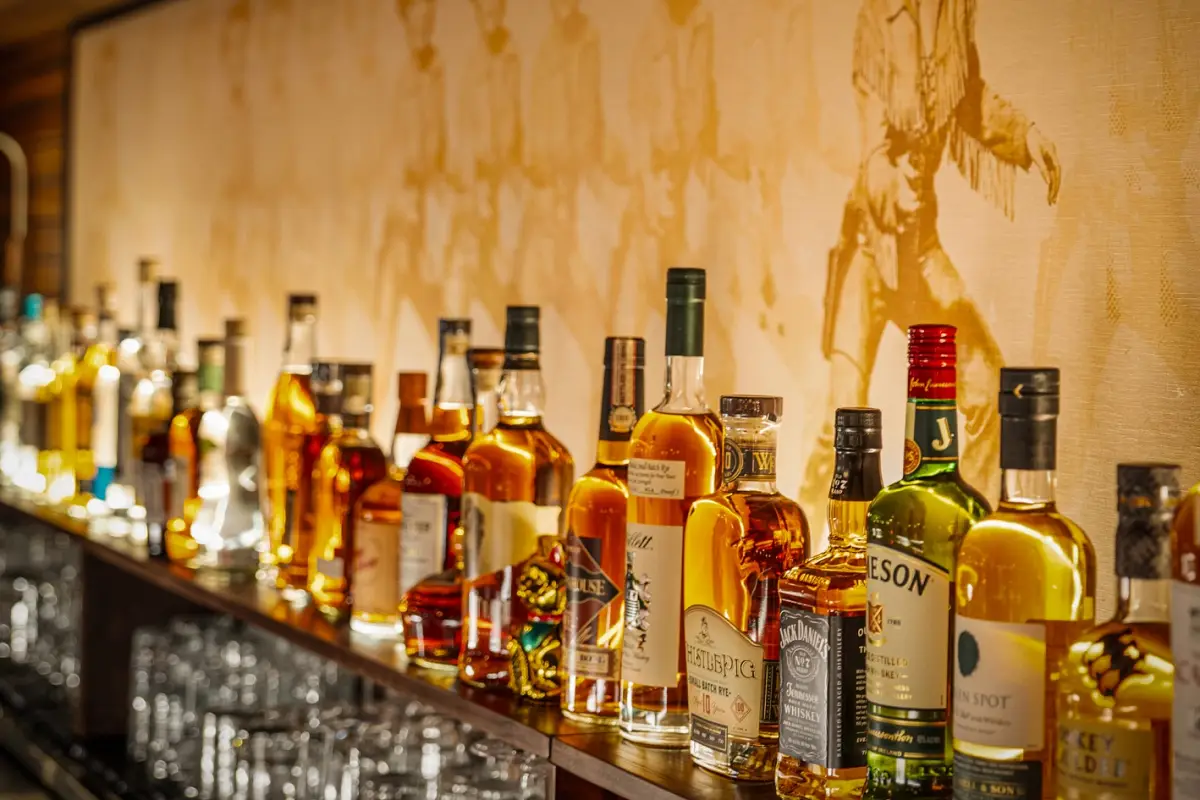
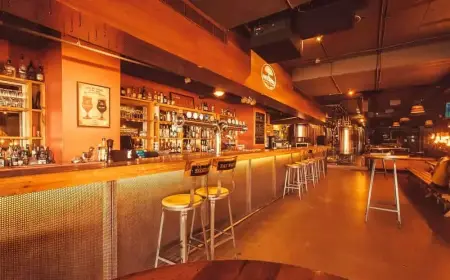
CHICAGO, June 1, 2026 — Beer sales are climbing at a number of Chicago restaurants this year as cost-conscious diners increasingly bypass cocktails that can run $18 to $22 in favour of pints that deliver more volume for less money. The shift reflects a broader consumer recalibration driven by persistent inflation, higher gas and grocery prices, and growing uncertainty over the economic effects of federal tariffs pressures that together have made every line on a restaurant bill feel more scrutinised than it did even a year ago.
For Chicago's restaurant operators, the beverage order is one of the clearest real-time signals of how diners are feeling about their wallets. When the calculation becomes two beers for the price of one cocktail, the math tends to win.
Chicago Restaurant Beer Sales Shift as Cocktail Spending Softens
The on-premise beer trend in Chicago sits against a complicated national backdrop. Retail craft beer sales in Chicago dropped 8.3 percent in the 12 months ending in early March 2026, falling to $76.9 million according to data from market research firm Circana part of a 17 percent slide over three years as consumer enthusiasm for craft styles cooled. Yet at the restaurant and bar level, a different pattern is emerging: beer as the go-to choice for diners watching their overall tab.
The divergence makes sense when seen through a value lens. A domestic draft or a recognisable import commonly prices between $7 and $10 at most full-service Chicago restaurants. A cocktail particularly one built around premium or imported spirits routinely lands at $18 to $22, and some Loop restaurants have historically priced them higher. For a table of two sharing drinks over dinner, the choice between beverages can represent a $20 to $40 swing in the final check.
Restaurant operators across the city have been watching consumer beverage behaviour closely throughout 2026. Revenue and foot traffic slumped at many establishments during the first quarter, with some reporting declines of 10 to 15 percent, according to earlier reporting from Crain's Chicago Business. Diners who do come in are spending more deliberately, choosing less expensive options within categories or skipping higher-margin items entirely.
Inflation and Tariffs Reshape What Chicago Diners Order to Drink
The economic context shaping beverage choices in 2026 is well-documented. Nationwide, the cost of eating out has risen more than 30 percent since 2019, according to consumer price index data. Fast-food average checks are up 41 percent over the same period, per Circana figures. Against that backdrop, the premium cocktail already a stretch purchase at pre-pandemic prices has become a harder sell at its current price point.
Tariffs have added additional pressure to the spirits side of the menu. Federal import duties affecting tequila, certain whiskies and other imported spirits have pushed ingredient costs higher for bartenders building cocktail programmes. Charlotte Voisey, executive director of the Tales of the Cocktail Foundation, noted earlier this year that bar prices have increased across the industry as operators absorb or pass along those elevated input costs. A premium bottle of imported whiskey could see an additional 15 to 20 percent price increase by mid-2026 attributable to tariffs alone, according to projections from the Distilled Spirits Council of the United States.
Beer, particularly domestic lager and accessible draft selections, carries a different tariff and supply chain profile. While no beverage category has been entirely insulated from rising costs, beer's lower price ceiling at the point of sale gives it a structural advantage in a value-conscious environment especially when consumers are already spending more at the grocery store and the pump before they ever arrive at a restaurant.
Chicago Operators Respond with Value-Oriented Beverage Strategies
The shift in consumer ordering has prompted a visible response from some Chicago restaurant operators. Several have moved to reduce cocktail prices, betting that the era of the $20 cocktail is ending in the current climate. Avli, which operates three Chicago locations and one each in Winnetka and Milwaukee, announced plans earlier this year to pull cocktail prices down to around $12, reworking its beverage economics by leaning into Greek wines which carry lower price points than California counterparts and negotiating more aggressively with suppliers to protect margins.
Brad Parker, founder of Parker Hospitality and the Hampton Social parent company, told Crain's Chicago Business that he knows raising menu prices again is not a viable path to retaining customers. His team has retrained servers to maximise the value of each visiting guest through attentive service and dessert recommendations, rather than counting on higher per-item prices to compensate for lighter foot traffic.
The broader strategic question for Chicago's full-service restaurant sector is whether a lower-priced beverage programme that drives visit frequency can offset the margin reduction that comes with selling more beer and fewer cocktails. Liquor, including cocktails, typically carries a cost of goods sold of 15 to 18 percent of sale price among the most profitable items a restaurant can sell. Beer's margins are tighter, running between 15 and 28 percent cost depending on format, though volume can partially compensate.
Wider Beverage Trends Reflect Consumer Caution Across Categories
The move toward beer is part of a broader consumer rebalancing visible across the drinks market. Americans reported the lowest rate of alcohol consumption in recent recorded history in 2025, with 54 percent of adults consuming alcohol, down from 67 percent in 2022, according to Gallup data. The non-alcoholic beverage category crossed $1.01 billion in off-premise sales, growing 19.2 percent year-on-year according to NIQ figures, as moderation and sober-curious dining habits gained ground alongside, rather than replacing, traditional alcohol consumption.
At the restaurant level in Chicago, that dynamic plays out as a redistribution of the beverage dollar. Diners who drink are spending that money more deliberately choosing a well-known draft over a handcrafted cocktail, or a glass of wine over a bottle. Those who don't drink are increasingly well-served by expanding non-alcoholic programmes. Either way, the era of reliable $20-cocktail attachment rates appears to be closing at many full-service operations across the city.
For Chicago's hospitality community, adapting the beverage programme to 2026's value climate whether through lower cocktail pricing, stronger beer selections or expanded non-alcoholic menus has become as operationally significant as managing food costs or labour efficiency. The drink order is no longer a reliable upsell. It is a negotiation.
More information about Indian cuisine and its regional diversity can be explored through Indian cuisine history and traditions.
Businesses monitoring hospitality expansion trends can also explore restaurant industry growth trends for 2026 to understand how regional food concepts are shaping dining markets.