Chick-fil-A Lansing Township Debuts With Costumed Crowds
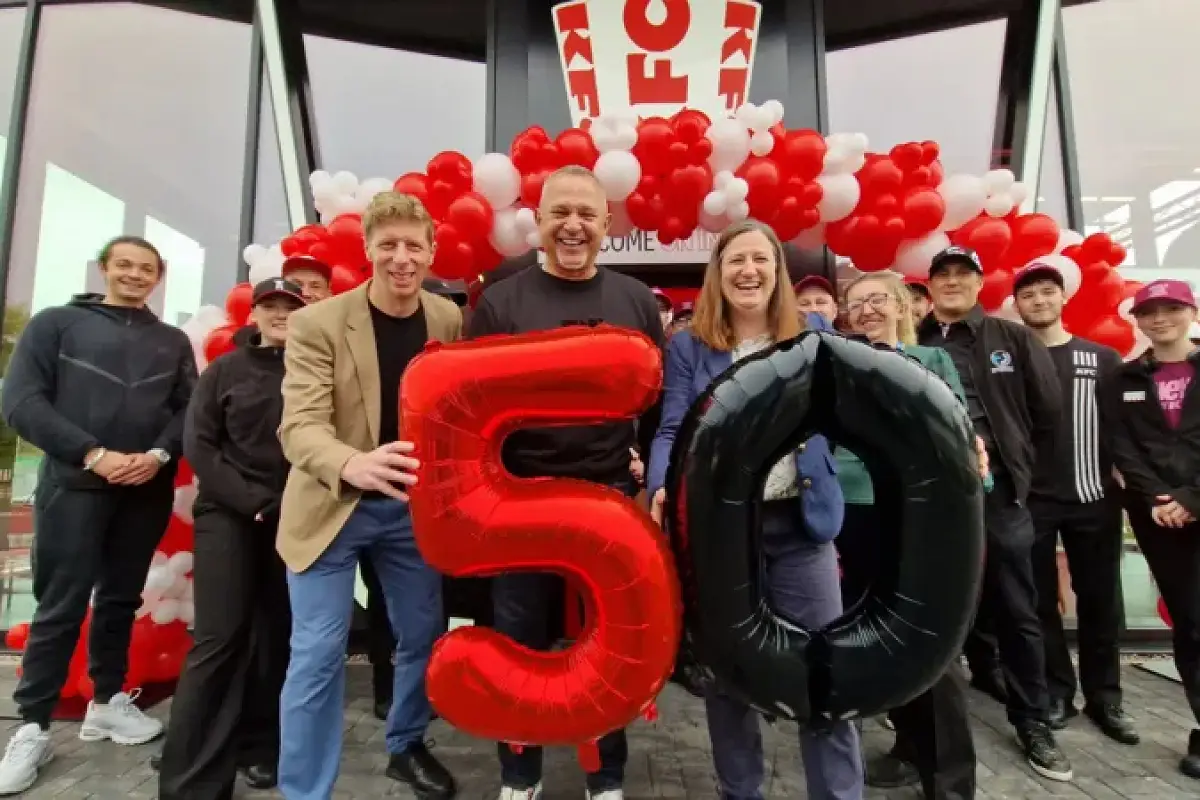
Chick-fil-A Lansing Township opened its fourth area location near Eastwood Towne Center, drawing families in cow costumes for a lively grand opening.
 RUKAIYA KADIWAL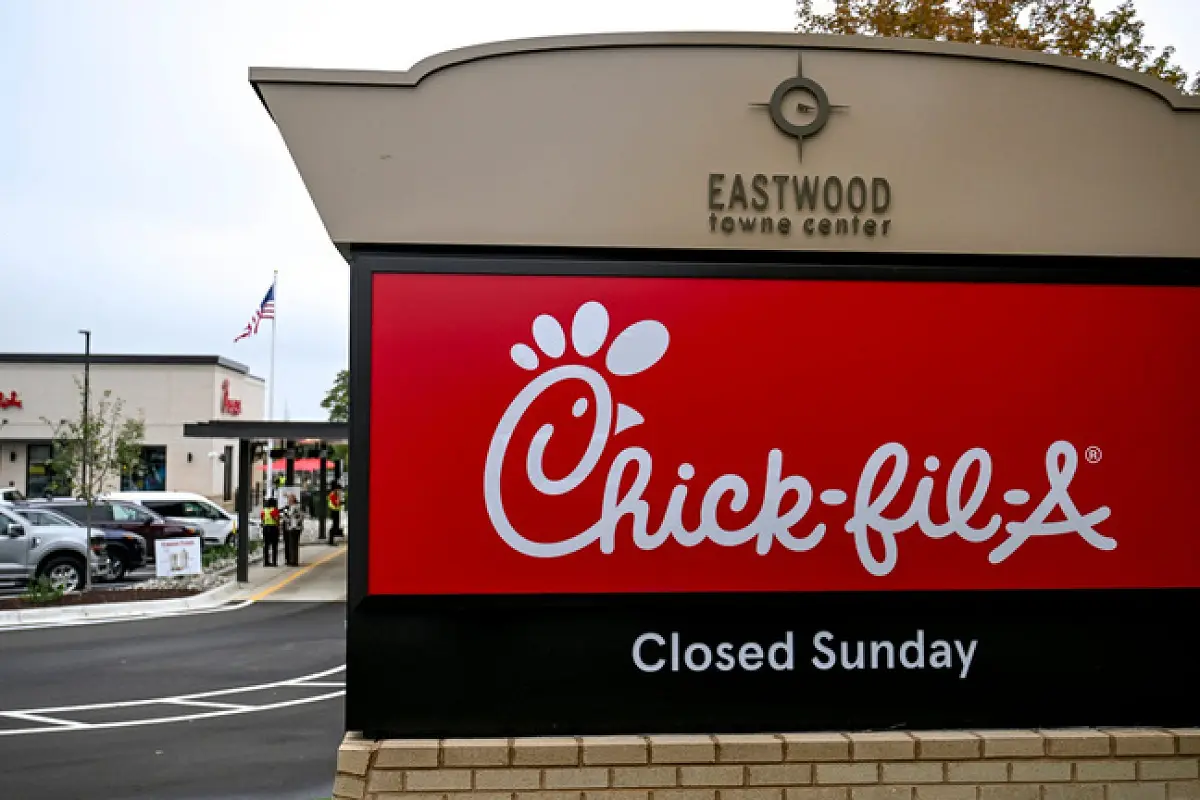
At 6:30 in the morning, before most of Lansing Township had finished its coffee, four year old Eliza Lashuay stood near the counter in a cow costume, mooing softly while her one year old brother Luca did his best to keep up beside her. Their mother, Madi, watched with the kind of patience particular to parents on a school morning that has, for once, turned into something worth celebrating. This was the opening of the newest Chick-fil-A Lansing Township location, and for a handful of families dressed head to toe in spots and horns, it was also a chance at a free breakfast.
The tradition is a familiar one at Chick-fil-A openings nationwide: dress in cow attire, receive a free entrée or kid's meal, and the fourth Lansing area restaurant, built at 2615 Lake Lansing Road near Eastwood Towne Center, honoured it without deviation, drawing families out before sunrise for a meal that mattered less for the chicken and more for the occasion itself, a story first reported by the Lansing State Journal.
From a Bank Building to a Fast Casual Landmark
The site itself carries a small piece of local transition. The 1.5 acre lot once held a Comerica Bank building, torn down to make room for the new restaurant, a quiet marker of how commercial real estate along busy corridors like Lake Lansing Road continues to shift toward food and hospitality rather than traditional banking. For a stretch of road anchored by the Eastwood Towne Center, the change fits a broader pattern playing out across American suburbs, where quick service restaurants increasingly take over parcels once occupied by banks, offices, or retail chains that have scaled back their physical footprint.
Owned by local operator Nick Biggee, the new location will employ 90 full time and part time staff, a meaningful addition to the area's hospitality workforce and a detail that matters more than it might initially appear. Each new Chick-fil-A franchise tends to function less like a corporate rollout and more like a locally run small business, since franchise owners typically operate a single restaurant and are expected to be present on site, a structure that shapes both service culture and community ties in ways that differ from many other national chains.
A Fourth Location for a Growing Market
This latest opening brings the total number of Chick-fil-A restaurants in the Lansing area to four, joining existing locations in Delta Township along West Saginaw Highway, in Okemos along West Grand River Avenue, and on South Cedar Street in Lansing. That density within a single metro area reflects the chain's broader growth strategy nationally, expanding methodically into markets that have already shown steady demand rather than spreading thin across untested territory.
Nationally, the scale is considerable. Chick-fil-A now operates more than 3,000 restaurants across the United States, Canada, Puerto Rico, the United Kingdom, and Singapore, a footprint built almost entirely on a limited menu and a business model that famously closes every location on Sundays, forgoing a full seventh of potential operating days in an industry where competitors rarely leave revenue on the table voluntarily.
What Opening Day Reveals About Community Appetite
The turnout at Eastwood Towne Center on opening morning, families in costume, staff moving briskly through the drive-thru, cars queued before the doors had been open even an hour, points to something larger than a single restaurant launch. Fast casual openings like this one have become genuine local events in many American communities, drawing crowds not solely for the food but for the sense of occasion, the free meals, the costumes, the shared experience of being present for something new in an otherwise ordinary neighbourhood.
That kind of enthusiasm also raises a fair question about market saturation. A fourth Chick-fil-A within one metro area suggests strong existing demand, but it also invites scrutiny from local business advocates who argue that national chains expanding aggressively into secondary markets can crowd out independent restaurants competing for the same customer base and the same available real estate. Both perspectives carry weight, and the balance between welcomed convenience and competitive pressure remains an ongoing conversation in cities experiencing similar growth.
A Familiar Ritual in a New Location
What unfolded near Eastwood Towne Center on a Thursday morning was, in many ways, a scene that has repeated itself in cities across the country for years, families moving in costume through a parking lot, staff trained to greet each guest by name recognition rather than routine, a menu built around consistency rather than surprise. Similar community driven food moments have surfaced elsewhere this year, echoing the intimate energy behind stories like Bengaluru's supper clubs turning into full restaurants, a reminder that whether a dining concept begins in a home kitchen or a national franchise system, the moments people remember most tend to be the small, human ones rather than the scale of the business itself.
By evening, the cow costumes will be packed away and the parking lot near Eastwood Towne Center will look much like any other. Yet for Eliza and Luca, and for the ninety employees now beginning their careers at this particular address, the morning marked something quieter than a headline, another small addition to a neighbourhood's daily rhythm, the kind that, years from now, locals may recall simply as the place where they used to get breakfast before school.