Chili's Restaurant Growth 2029: Casual Dining Expansion Continues Strategically
Chili's Restaurant Growth 2029 accelerates through franchise expansion strategy. Brinker International targets significant unit growth across North America through proven casual dining model.
 RUKAIYA KADIWAL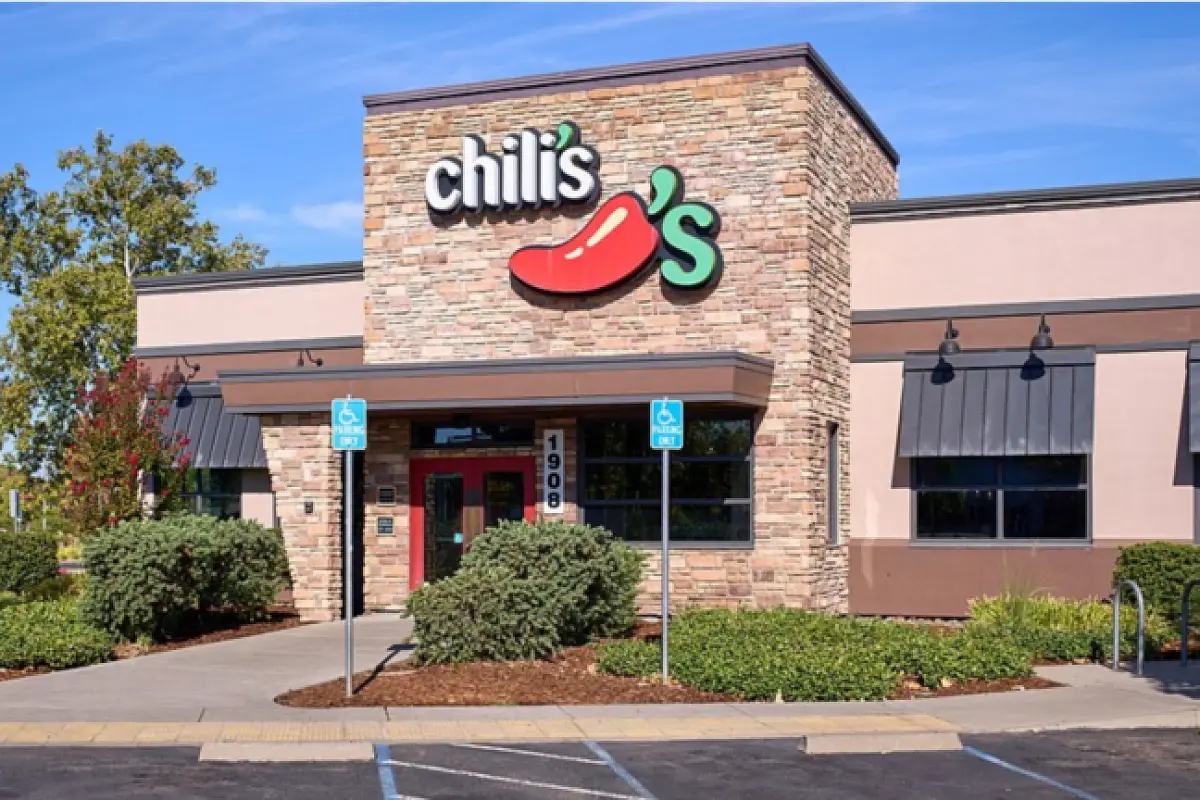
A franchise operator walks through a recently opened Chili's location reviewing construction completion details. The red pepper logo gleams on the exterior wall. Inside, servers arrange tables for evening service. Chili's Restaurant Growth 2029 targets aggressive expansion across North America. Chili's Restaurant Growth 2029 represents calculated strategy for casual dining relevance.
Why Chili's Restaurant Growth 2029 Matters
Chili's restaurant expansion accelerates through franchise model optimization. Brinker International leadership articulated growth vision clearly. Chili's new restaurants 2029 openings number significantly higher than historical rates. Chili's franchise growth depends on operator confidence and capital availability. Brinker restaurant expansion strategy prioritizes unit economics carefully. Chili's Grill and Bar positioning strengthens through focused development. Chili's restaurant openings occur in carefully selected markets. Chili's franchise development represents deliberate market capture. Casual dining restaurant growth remains challenging despite recovery. Brinker Investor Day 2026 announcements signaled confidence in expansion plans.
The casual dining sector experienced consolidation pressure substantially. Independent restaurants closed permanently during pandemic disruptions. Regional chains struggled adapting to consumer preference shifts. Chili's Restaurant Growth 2029 strategy acknowledges that scale provides competitive advantage. Larger operators survive through infrastructure investment and brand recognition. Smaller competitors face increasingly difficult economics.
Understanding Chili's Franchise Growth Strategy
Brinker International operates through franchise model primarily. Chili's restaurant expansion proceeds through capital-efficient franchisee deployment. Owner-operators assume unit-level investment burden substantially. Chili's new restaurants 2029 openings multiply as franchisees recognize opportunity. Chili's franchise development team identifies markets demonstrating strong unit economics. Site selection emphasizes suburban and secondary markets. Casual dining restaurant growth increasingly concentrates in emerging demographics regions.
Chili's Grill and Bar concept translates across demographic variations. Menu consistency permits efficient supply chain management. Kitchen operations remain standardized enabling labor training scalability. Brinker restaurant expansion leverages accumulated operational expertise. Franchisees benefit from proven systems and established supply relationships. Chili's restaurant openings reduce risk through formula replication.
Franchise Partner Experience with Chili's Restaurant Growth
Franchise operators evaluate expansion opportunities carefully. Chili's franchise growth attracts seasoned restaurant professionals. Operating a Chili's location requires capital ranging from one to two million dollars. Training periods extend months before opening. Brinker restaurant expansion support includes initial marketing and operational guidance. Franchisees manage day-to-day operations independently within brand parameters. Chili's new restaurants 2029 openings represent franchisee confidence in unit profitability.
Return expectations drive franchise investment decisions. Chili's restaurant expansion economics demonstrate viability across various market conditions. Unit volumes permit profitable operation. Labor scheduling flexibility reduces overhead burden. Casual dining restaurant growth depends on comparable unit economics validation. Successful franchisees open multiple locations accelerating Chili's franchise development pace.
Menu and Service Model of Chili's Grill and Bar
The restaurant emphasizes casual atmosphere with consistent quality. Chili's Restaurant Growth 2029 relies partly on menu familiarity. Signature dishes remain essentially unchanged for decades. Fajita preparations showcase kitchen technique. Burgers receive careful attention balancing simplicity and flavor. Appetizer selections encourage sharing. Margarita service represents social dining component. Chili's restaurant openings maintain menu standards ensuring brand consistency.
Service style emphasizes attentiveness without formality. Servers receive training emphasizing guest interaction. Brinker restaurant expansion investments include staff development programs. Tips represent significant employee compensation component. Service quality fluctuates based on staffing consistency. Chili's Grill and Bar locations compete increasingly on service experience alongside menu offerings.
Industry Challenges in Casual Dining Restaurant Growth
Labor availability pressures intensify across industry. Casual dining restaurant growth requires consistent staffing at lower compensation levels. Turnover rates exceed fifteen percent quarterly. Training burden multiplies as operations expand. Chili's restaurant expansion must account for labor market tightness. Wage pressures affect unit economics substantially. Brinker restaurant expansion depends on addressing staffing challenges systematically.
Consumer preference evolution continues reshaping competitive landscape. Younger demographics visit casual dining establishments less frequently. Fast-casual concepts capture price-sensitive customers. Chili's new restaurants 2029 positioning targets specific demographic segments intentionally. Family dining occasions decline. Date night preferences shift toward diverse cuisines. Chili's franchise growth strategy acknowledges changing leisure patterns.
What Chili's Restaurant Growth 2029 Reveals About Hospitality
Scale and systemization remain crucial for casual dining survival. Brinker International maintains relevance through consistent execution. Chili's restaurant expansion proceeds despite industry headwinds. Casual dining restaurant growth requires acknowledging that standardization appeals to specific consumer segments. Chili's Grill and Bar success demonstrates that predictability provides value. Franchisees embrace proven models. Customers appreciate familiarity across locations, reflecting patterns documented in Chili's official operations and franchise strategy as well as broader casual dining trends discussed in analyses of restaurant growth and franchise expansion models.
Evening service begins as customers arrive for dinner. Chili's Restaurant Growth 2029 continues through franchise operator commitment. Chili's franchise growth proceeds methodically despite skepticism about casual dining viability. Brinker restaurant expansion demonstrates confidence in long-term market opportunity. Chili's new restaurants 2029 openings transform suburban landscapes. The franchise model persists because systemization enables consistent hospitality delivery across vast geographic areas.