Emotional Dining Experiences Highlight Changing Social Norms in Restaurants
A growing trend of emotional expression in restaurants reflects shifting social norms, as diners increasingly view dining spaces as places for personal experiences beyond food.
 Prajakta Sanjay Warwadkar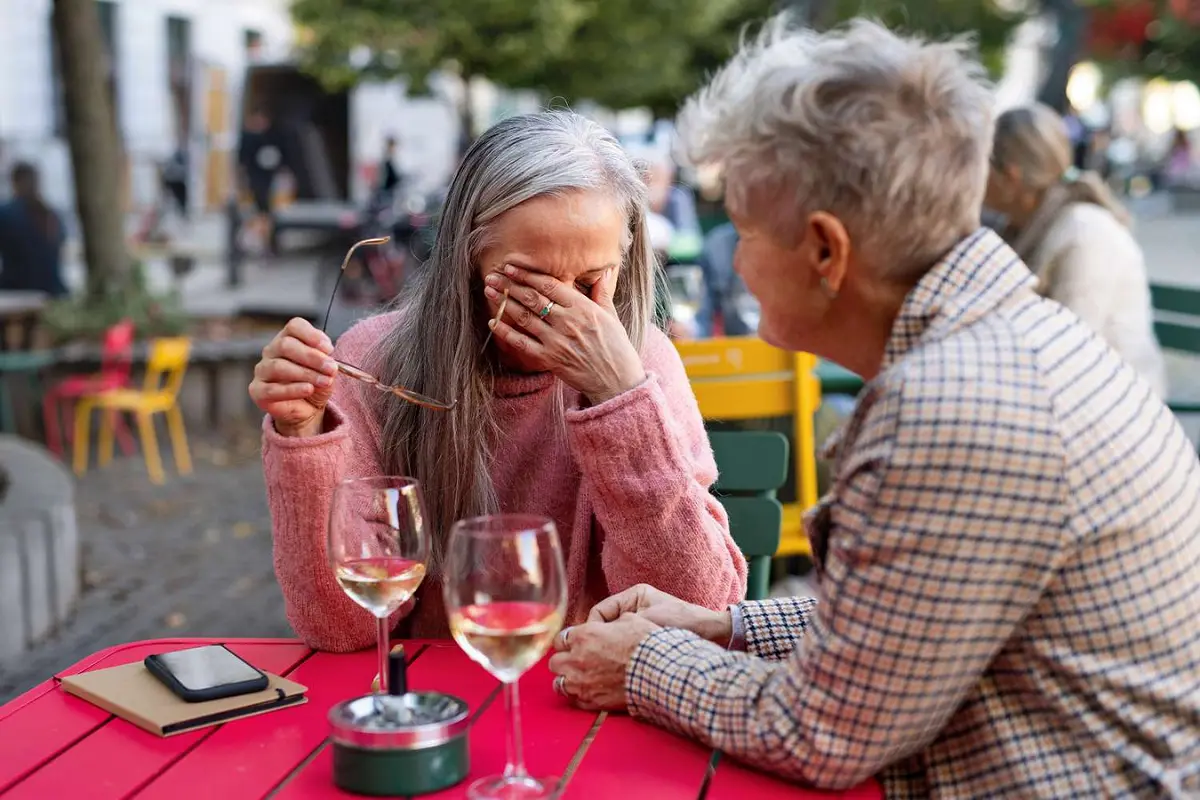
Emotional Dining Experiences Highlight Changing Social Norms in Restaurants
Restaurants are increasingly becoming spaces for emotional expression, as diners in 2026 embrace a broader definition of the dining experience that extends beyond food to include personal and social moments, reflecting shifting cultural attitudes toward public behavior and hospitality environments.
Across global markets, restaurant operators are observing a rise in customers openly expressing emotions—ranging from celebrations and reunions to stress and vulnerability—within dining spaces. This trend underscores a transformation in how consumers perceive restaurants, viewing them not only as places to eat but as environments for meaningful personal experiences.
Dining Spaces as Emotional Outlets
The traditional perception of restaurants as purely transactional spaces is evolving. Increasingly, diners are using these environments to mark significant life events or navigate personal moments, including emotional conversations, milestones, and even moments of distress.
This shift reflects broader societal changes, where public expressions of emotion are becoming more accepted. Restaurants, with their social and communal nature, are naturally emerging as venues where such expressions unfold.
Operators are recognizing that emotional engagement is becoming an integral part of the customer journey, influencing how experiences are designed and delivered.
Changing Consumer Expectations
Modern diners expect more than just quality food and service; they seek experiences that resonate on a personal level. This includes an environment where they feel comfortable expressing themselves without judgment.
The rise of experiential dining has contributed to this shift, as restaurants increasingly focus on ambiance, storytelling, and emotional connection. Customers are drawn to spaces that feel authentic and accommodating of diverse experiences.
This evolution is particularly evident among younger demographics, who prioritize authenticity and emotional openness in social settings.
Impact on Restaurant Design and Atmosphere
In response to changing consumer behavior, restaurants are rethinking their design and atmosphere to create more inclusive and comfortable environments. Elements such as lighting, seating arrangements, and acoustics are being optimized to support a range of experiences, from intimate conversations to group gatherings.
Private dining areas, flexible seating, and quieter zones are becoming more common, allowing guests to tailor their experience based on their needs. These design choices help accommodate both celebratory and reflective moments.
The focus on atmosphere highlights the growing importance of emotional comfort in the overall dining experience.
Role of Staff in Managing Emotional Experiences
Restaurant staff are playing an increasingly important role in navigating emotionally charged situations. Training programs are evolving to include soft skills such as empathy, communication, and situational awareness.
Employees are expected to handle a variety of scenarios, from celebrating special occasions to supporting guests during difficult moments. This requires a balance between professionalism and sensitivity.
Effective staff engagement can enhance the customer experience and contribute to positive perceptions of the brand.
Social Media and Cultural Influence
Social media has amplified the visibility of emotional dining experiences, with customers sharing personal moments online. This has contributed to the normalization of expressing emotions in public spaces, including restaurants.
Platforms that highlight authentic experiences have encouraged individuals to embrace vulnerability, further influencing dining culture. Restaurants that create memorable and emotionally engaging environments are more likely to benefit from this exposure.
The intersection of social media and hospitality continues to shape consumer expectations and behavior.
Balancing Comfort and Etiquette
While emotional expression is becoming more accepted, restaurants must balance this with maintaining a comfortable environment for all guests. Operators are tasked with ensuring that individual experiences do not disrupt others.
Clear policies and staff training can help manage such situations effectively. The goal is to create a space that is inclusive while preserving a positive atmosphere for the broader customer base.
This balance is essential in sustaining customer satisfaction and operational efficiency.
Broader Implications for the Hospitality Industry
The rise of emotional dining experiences reflects a broader trend in the hospitality industry toward personalization and human connection. Restaurants are increasingly positioned as spaces that cater to emotional as well as physical needs.
This shift presents opportunities for operators to differentiate themselves by creating environments that resonate with customers on a deeper level. It also highlights the importance of understanding evolving social norms and adapting accordingly.
Businesses that successfully integrate emotional awareness into their operations are likely to build stronger customer loyalty.
Future Outlook
As societal attitudes continue to evolve, emotional expression in restaurants is expected to become more normalized. Operators will need to adapt their strategies to accommodate this trend while maintaining operational standards.
Investments in staff training, design innovation, and customer engagement will play a critical role in shaping the future of dining experiences. The ability to create spaces that support diverse emotional needs will be a key differentiator in a competitive market.
The trend also underscores the importance of empathy and human connection in hospitality, which are becoming central to the industry’s evolution.
Conclusion
The growing acceptance of emotional expression in restaurants signals a shift in dining culture, as operators adapt to changing social norms and redefine the role of hospitality spaces in modern life.