Hebburn Pub and Restaurant Plan Sparks Debate Over Proposed Conversion to HMO
A proposal to convert a former pub and restaurant in Hebburn into a house in multiple occupation has sparked debate among residents and local officials.
 Prajakta Sanjay Warwadkar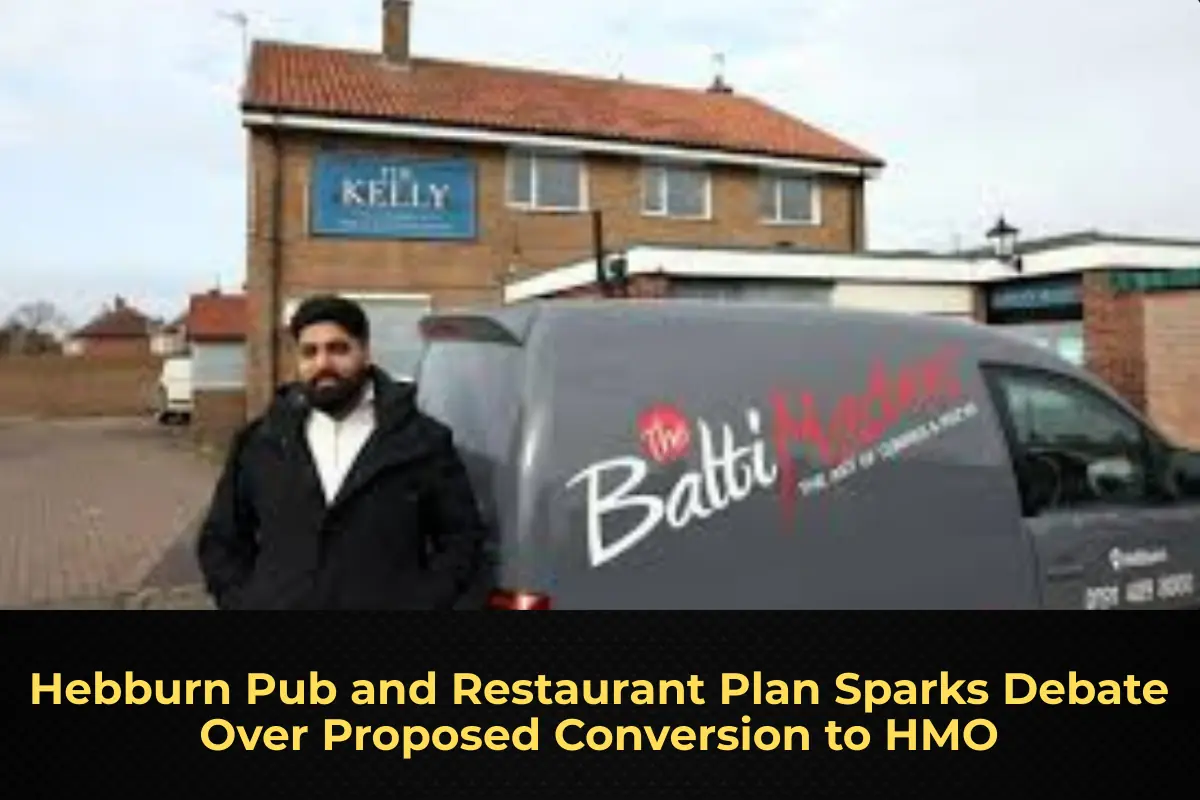
Proposal to Convert Hebburn Pub and Restaurant Into HMO Triggers Local Discussion
A proposal to convert a former pub and restaurant building in Hebburn into a house in multiple occupation (HMO) has prompted discussion among residents and local authorities, highlighting the ongoing transformation of hospitality properties across parts of the United Kingdom. The planning proposal involves repurposing the site into shared accommodation, a move that reflects wider trends in urban development and changing demand for commercial spaces.
The property, which previously operated as a hospitality venue serving food and drinks to the local community, is now at the center of a planning debate as developers seek permission to transform the building into residential accommodation for multiple tenants. The proposal has generated mixed reactions from residents who are weighing the potential benefits and concerns associated with the change.
Changing Use of Hospitality Properties
The conversion of hospitality venues into residential spaces has become increasingly common in several parts of the United Kingdom. Economic pressures, shifts in consumer habits, and evolving local property markets have influenced the viability of some pubs and restaurants, leading property owners to consider alternative uses for buildings that once operated as social gathering spaces.
For many hospitality venues, maintaining profitability has become more challenging in recent years due to rising operational costs, staffing challenges, and changing dining habits. As a result, some operators have closed or relocated, leaving properties available for redevelopment.
The Hebburn building involved in the latest proposal reflects this broader pattern, as developers look to adapt the structure to meet housing demand in the area.
Understanding Houses in Multiple Occupation
Houses in multiple occupation, commonly known as HMOs, are residential properties where several unrelated tenants live in shared accommodation. These types of properties often provide individual bedrooms while residents share facilities such as kitchens and bathrooms.
HMOs are frequently used to address housing demand in urban areas, particularly for students, young professionals, and workers seeking affordable accommodation. Local authorities regulate such properties to ensure that safety, occupancy limits, and living conditions meet required standards.
The proposed conversion of the Hebburn property would involve modifying the building’s layout to create multiple living spaces while maintaining shared communal areas for residents.
Community Reactions to the Proposal
Residents in the surrounding area have expressed a range of views about the proposed change in use. Some members of the community support the development, noting that the building could provide much‑needed housing options while bringing a currently underutilized property back into active use.
Others have raised concerns regarding potential impacts on the neighborhood. Issues such as parking availability, noise levels, and increased residential density are often central to discussions about HMO developments.
Local planning authorities typically review such concerns during the evaluation process, ensuring that proposed developments align with community guidelines and planning regulations.
Role of Local Planning Authorities
Before any redevelopment can proceed, proposals like the Hebburn conversion must undergo a detailed planning review conducted by local authorities. This process includes assessing how the project may affect the surrounding area, infrastructure, and community environment.
Planning officials consider several factors during their evaluation, including building safety standards, parking arrangements, environmental impact, and the overall suitability of the property for residential use.
Public feedback also plays an important role in shaping planning decisions. Residents often have the opportunity to submit comments or objections, allowing community perspectives to be considered alongside technical planning assessments.
Hospitality Industry Property Challenges
The potential conversion of the Hebburn pub and restaurant also highlights ongoing challenges facing parts of the hospitality industry. Across the United Kingdom, some pubs and restaurants have struggled to maintain operations due to increased costs associated with energy, food supplies, and staffing.
While many venues continue to thrive by adapting their menus, service models, and customer experiences, others have found it difficult to sustain long‑term profitability. When businesses close, property owners frequently explore redevelopment opportunities that may offer stronger financial returns.
In some cases, former hospitality buildings are transformed into residential apartments, retail spaces, or mixed‑use developments depending on local planning policies and market demand.
Balancing Community Heritage and Development
Pubs and restaurants often hold cultural significance within their communities. These establishments frequently serve as meeting places where residents gather for meals, celebrations, and social interactions.
When such venues close or face redevelopment, communities may feel a sense of loss connected to the disappearance of familiar social spaces. At the same time, redevelopment projects can provide opportunities to address housing shortages or revitalize unused properties.
The challenge for planning authorities is to balance these competing priorities by considering both community heritage and practical development needs.
Urban Housing Demand Continues to Rise
Demand for housing across many parts of the United Kingdom remains strong, particularly in areas close to employment centers and transportation networks. As property prices rise and rental markets tighten, shared accommodation options such as HMOs have become more common.
For developers, converting existing buildings into shared housing can be a practical solution when new construction opportunities are limited. Repurposing existing structures may also reduce construction costs and make use of buildings that might otherwise remain vacant.
In towns like Hebburn, these developments can play a role in meeting local housing demand while also influencing the character of neighborhoods.
Future of the Hebburn Property
The outcome of the planning process will ultimately determine the future of the former pub and restaurant building. If approved, the conversion would transform the property into a residential space accommodating multiple tenants.
Developers would then proceed with renovation work designed to adapt the building’s internal layout to meet housing regulations and safety standards.
If the proposal faces significant opposition or fails to meet planning requirements, alternative redevelopment options may need to be considered.
Hospitality Properties Continue to Evolve
The situation in Hebburn illustrates how hospitality properties can undergo significant changes as economic conditions, urban development, and housing needs evolve. While some venues remain successful gathering places, others transition into new uses that reflect shifting priorities within local communities.
Across the United Kingdom, similar planning discussions continue as property owners, residents, and local governments navigate the complex relationship between preserving community spaces and meeting growing housing demand.
As the planning review progresses, the future of the Hebburn property remains under consideration, with officials evaluating whether the proposed HMO conversion aligns with local development priorities and community interests.