Waynoka Harvey House Reopens as Restaurant After Decades
Waynoka Harvey House dining room reopens in 2025 as The Station Restaurant, reviving a century-old Fred Harvey legacy in Oklahoma. Read the full story.
 Prajakta Sanjay Warwadkar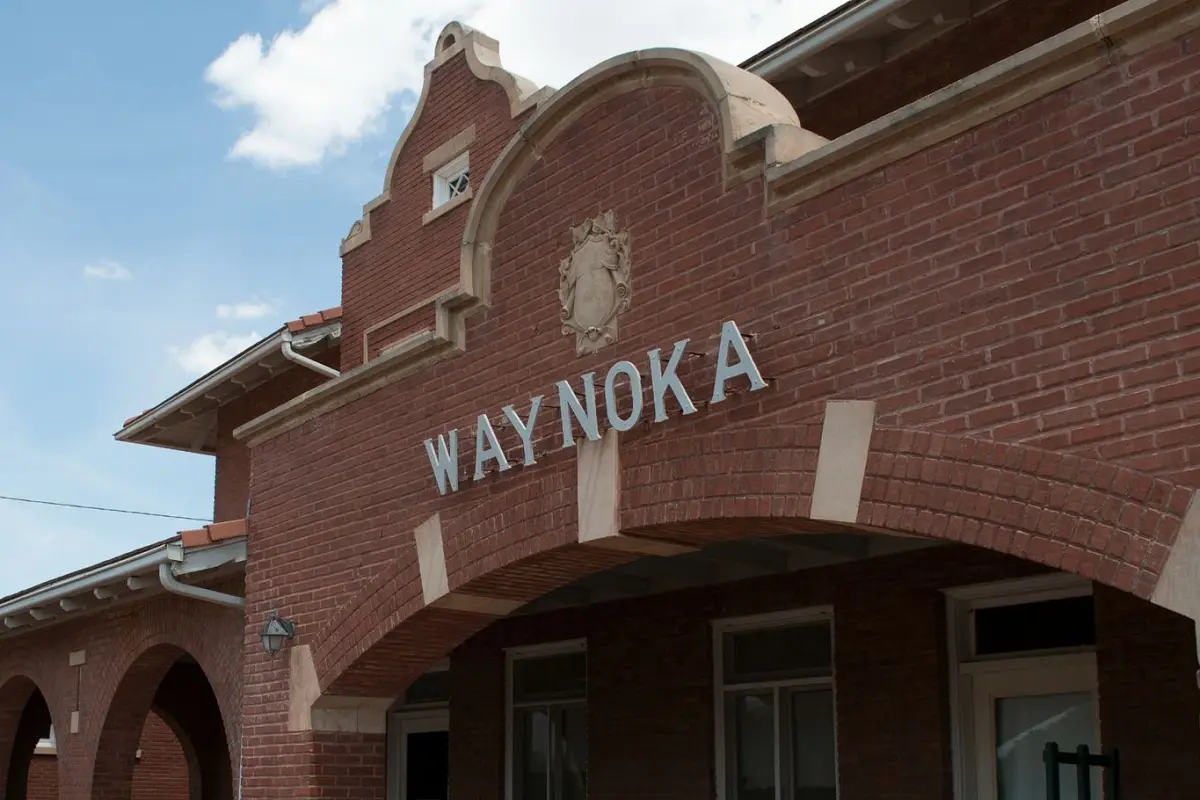
WAYNOKA, Okla., June 13, 2026 — A mother-daughter team has brought the dining room of Waynoka's century-old Harvey House back to life, reopening the space as The Station Restaurant in April 2025 after the historic venue sat idle for years following the COVID-19 pandemic. The revival marks the first time the landmark dining room on the Atchison, Topeka and Santa Fe Railway platform has operated as a full-service restaurant since its previous tenant closed.
Cheyanne Pierce, a Northwest Oklahoma restaurateur whose grandparents grew up in Waynoka, partnered with her mother Sandra Pierce to take over the ground-floor dining space inside the building listed on the National Register of Historic Places. The move connects a personal family history with one of the most storied hospitality legacies in the American West.
The Waynoka Harvey House matters because it stands as a direct, intact piece of Fred Harvey's nationwide dining network — the first restaurant chain in American history. The Waynoka Historical Society, which owns and stewards the building, confirmed the dining room is now operating again under The Station Restaurant.
A Railway Legacy Born in 1876
Fred Harvey launched his network of eating houses along the Santa Fe line in 1876, positioning high-quality dining at a time when rail travel offered little more than poor food at rushed stops. The Waynoka building, constructed in 1910, operated under his company's banner until 1937, feeding passengers traveling the main Chicago-to-Los Angeles corridor.
At its peak, Harvey's operation ran more than 90 properties along the Santa Fe line, staffed primarily by the famed Harvey Girls — thousands of women recruited as servers who lived on the upper floors of houses like the one in Waynoka. The building's second floor dormitory rooms remain intact and are preserved as part of the Waynoka Air and Rail Museum, which occupies the same structure.
After the Harvey dining operation closed in 1937, the building served as crew quarters and a reading room for railroad workers for several decades. Santa Fe donated it to the city of Waynoka in 1995, and restoration of the structure concluded in 1999 at a total cost of approximately $1.1 million. Both the Harvey House and the adjacent Santa Fe Depot have been listed on the National Register of Historic Places since 1974. For food lovers interested in the broader history of classic American cuisine and dining traditions, the Harvey House system represents a formative chapter in the country's food service story.
The Station Restaurant Embraces the Train Theme
The Station Restaurant operates in the original dining room on the ground floor of the Harvey House, directly adjacent to the active BNSF Southern Transcon rail line one of the busiest freight corridors in the United States, with dozens of trains passing daily. The location places diners within feet of the same platform where Harvey Girls once greeted arriving passengers.
The menu ties into the rail setting with train-themed section names: all-aboard appetizers, caboose salad bar, railway signatures for dinner entrees, sidetracks for sides and sweet departures for desserts. Cheyanne sources ingredients locally where possible, with meat supplied by a regional provider and seasonings from a specialist in Woodward.
Candied bacon features across multiple menu items, and the restaurant's onion rings draw repeat visitors. Steaks, grilled and fried chicken, pork chops and smash burgers are available after 4 p.m., alongside daily specials and a soup of the day. One dessert offering draws directly from a Fred Harvey cookbook a bread pudding topping that links the current menu to the original dining room's recipes.
Reopening Built on Personal Roots
Cheyanne Pierce grew up inside the restaurant industry, starting as a dishwasher at age 12 and working through every position in food service over the following years. Her most recent role before opening The Station Restaurant was at a chophouse in the region. Sandra Pierce, her mother and co-owner, previously operated a café in Waynoka before the COVID-19 pandemic forced it to close in 2020.
The Pierce family was approached in late 2024 about the opportunity to open inside the historic dining space. Securing the required licenses and funding took several months, but the restaurant opened its doors in April 2025. "There's a lot of history here for me personally," Cheyanne said in an interview published by the Enid News and Eagle on June 12, 2026.
Charlene Bixler, current curator of the Waynoka Air and Rail Museum and president of the Waynoka Historical Society, oversees the second-floor exhibits that share the building with The Station Restaurant. The museum received funding during Oklahoma's centennial celebration in 2007 to professionally design and install exhibits aligned with Oklahoma Historical Society standards.
Operating Hours and Visitor Information
The Station Restaurant is located at 1393 S. Cleveland, Waynoka, Oklahoma. It is open 11 a.m. to 8 p.m. Thursday through Saturday and 11 a.m. to 2:30 p.m. Sunday through Monday. The restaurant is closed Tuesday and Wednesday.
The Waynoka Air and Rail Museum operates on the second floor of the same building, open Saturdays from noon to 4 p.m. or by appointment. Admission is $5 for adults and $3 for students. The Waynoka Historical Society manages both the museum and the building's preservation.
The restaurant draws patronage from throughout Woods County as well as visitors arriving from Little Sahara State Park approximately one mile south of town and railroad enthusiasts who come to watch freight trains on the active BNSF line.
More information about Indian cuisine and its regional diversity can be explored through Indian cuisine history and traditions.
Businesses monitoring hospitality expansion trends can also explore restaurant industry growth trends for 2026 to understand how regional food concepts are shaping dining markets.