Iconic Indian Restaurant in Singapore Temporarily Shuts After Months of Closure
A well-known Indian restaurant in Singapore that once served Prime Minister Narendra Modi has remained closed for months, raising concerns about operational challenges and industry pressures.
 Prajakta Sanjay Warwadkar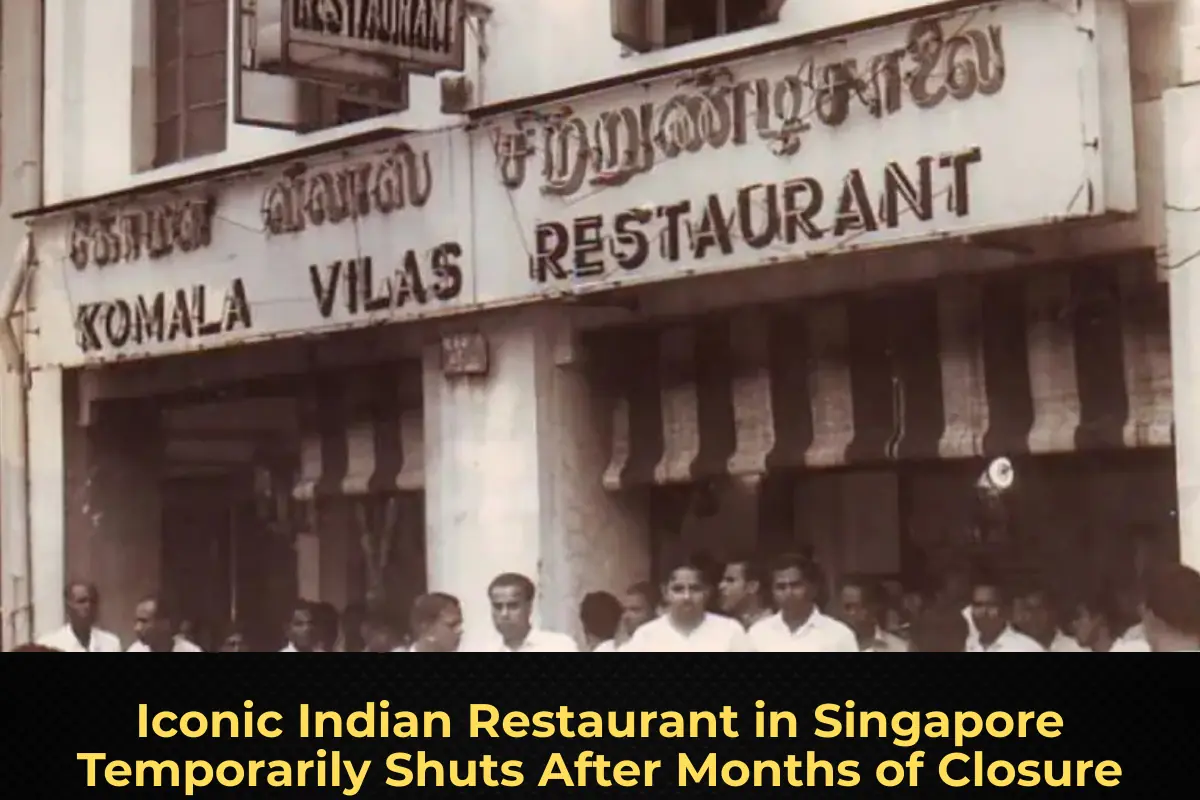
Iconic Indian Restaurant in Singapore Temporarily Shuts After Months of Closure
A prominent Indian restaurant in Singapore, known for hosting Indian Prime Minister Narendra Modi during his visit, has remained shut for several months in 2026, sparking attention within the hospitality industry and among loyal patrons. The closure highlights ongoing operational and economic challenges faced by long-standing restaurants in competitive international markets.
The restaurant, which built its reputation over decades by serving authentic Indian cuisine and attracting high-profile guests, has not resumed operations despite its established brand presence. Its extended closure has raised questions about the sustainability of legacy dining establishments amid evolving market dynamics.
Well-Known Culinary Landmark Faces Uncertainty
The restaurant has long been regarded as a key player in Singapore’s Indian dining scene, drawing both locals and tourists with its traditional menu and consistent quality. Its association with high-profile visits, including that of Prime Minister Narendra Modi, further elevated its status as a cultural and culinary landmark.
However, the prolonged shutdown has left customers uncertain about its future, with no clear timeline for reopening. Industry observers note that even well-established restaurants are not immune to disruptions in today’s rapidly changing hospitality landscape.
The closure underscores how reputation alone may not be sufficient to sustain operations in the face of mounting external pressures.
Operational and Economic Pressures Mount
Restaurants across global markets, including Singapore, have been grappling with a range of challenges such as rising operational costs, labor shortages, and shifting consumer preferences. These factors have made it increasingly difficult for businesses to maintain profitability, particularly for those operating on traditional models.
In the case of long-standing establishments, additional pressures may include maintaining aging infrastructure, adapting to modern dining expectations, and competing with newer, trend-driven concepts. These dynamics can strain resources and complicate recovery efforts following disruptions.
The extended closure of the restaurant reflects how such factors can converge, leading to prolonged operational inactivity.
Impact on Singapore’s Indian Dining Scene
The absence of a well-known Indian restaurant from Singapore’s culinary landscape has created a noticeable gap, particularly among diners seeking authentic and heritage-driven dining experiences. The city’s diverse food scene is known for its blend of traditional and contemporary offerings, and the closure of established venues can affect overall variety.
Indian cuisine remains a significant part of Singapore’s multicultural identity, with numerous restaurants catering to a wide range of tastes and price points. However, the temporary loss of a recognized brand highlights the importance of resilience and adaptability within this segment.
Industry stakeholders are closely monitoring developments, as the reopening or permanent closure of such establishments can influence market dynamics.
Changing Consumer Expectations
Consumer behavior in the dining sector has evolved significantly in recent years, with increased demand for experiential dining, digital engagement, and convenience. Restaurants that fail to adapt to these expectations may face declining relevance, even if they have a strong legacy.
Modern diners often seek a combination of authenticity and innovation, expecting traditional cuisines to be presented in contemporary formats. This shift requires continuous investment in menu development, branding, and customer engagement strategies.
For older establishments, balancing tradition with modernization can be a complex but necessary process to remain competitive.
Role of External Factors in Prolonged Closures
External factors such as supply chain disruptions, regulatory requirements, and economic fluctuations can also contribute to extended restaurant closures. Delays in sourcing ingredients, staffing challenges, or compliance issues may hinder the ability to resume operations quickly.
In some cases, businesses may use temporary closures as an opportunity to restructure, renovate, or reassess their long-term strategy. However, prolonged inactivity can lead to loss of customer engagement and brand visibility.
The situation illustrates how external variables can significantly impact operational continuity in the hospitality sector.
Industry-Wide Implications
The closure of a high-profile restaurant serves as a broader indicator of challenges facing the global hospitality industry. Even well-established brands must navigate economic uncertainties, competitive pressures, and changing consumer expectations to sustain operations.
For industry professionals, the case highlights the importance of adaptability, financial planning, and innovation in maintaining business resilience. It also underscores the need for continuous reinvention to stay relevant in a dynamic market environment.
Such developments can influence investor confidence and strategic decision-making across the sector.
Potential Pathways to Reopening
While the restaurant remains closed, there is potential for reopening if operational challenges are addressed effectively. This could involve restructuring business models, updating menus, or enhancing customer experience through modernization efforts.
Reopening would likely require renewed marketing efforts to reconnect with customers and rebuild momentum. Leveraging the restaurant’s legacy and reputation could play a key role in attracting both returning patrons and new audiences.
The success of any revival will depend on the ability to align traditional strengths with contemporary market demands.
Customer Sentiment and Brand Loyalty
Loyal customers often play a crucial role in supporting long-standing restaurants during periods of uncertainty. The extended closure has prompted discussions among patrons, many of whom express hope for the restaurant’s return.
Strong brand loyalty can provide a foundation for recovery, but it must be complemented by strategic changes to ensure long-term sustainability. Engaging with customers through digital platforms and updates can help maintain interest during downtime.
Maintaining this connection is essential for preserving brand equity and ensuring a successful comeback.
Conclusion
The prolonged closure of a renowned Indian restaurant in Singapore highlights the challenges facing legacy dining establishments, as the industry continues to evolve amid economic pressures and changing consumer expectations, leaving its future uncertain.