IHOP Files Trademark for New BLTAF Menu Concept Featuring Bacon, Lettuce, Tomato and Fries
IHOP files a trademark for BLTAF, a new menu concept combining bacon, lettuce, tomato, and fries, signaling menu innovation in 2026.
 Prajakta Sanjay Warwadkar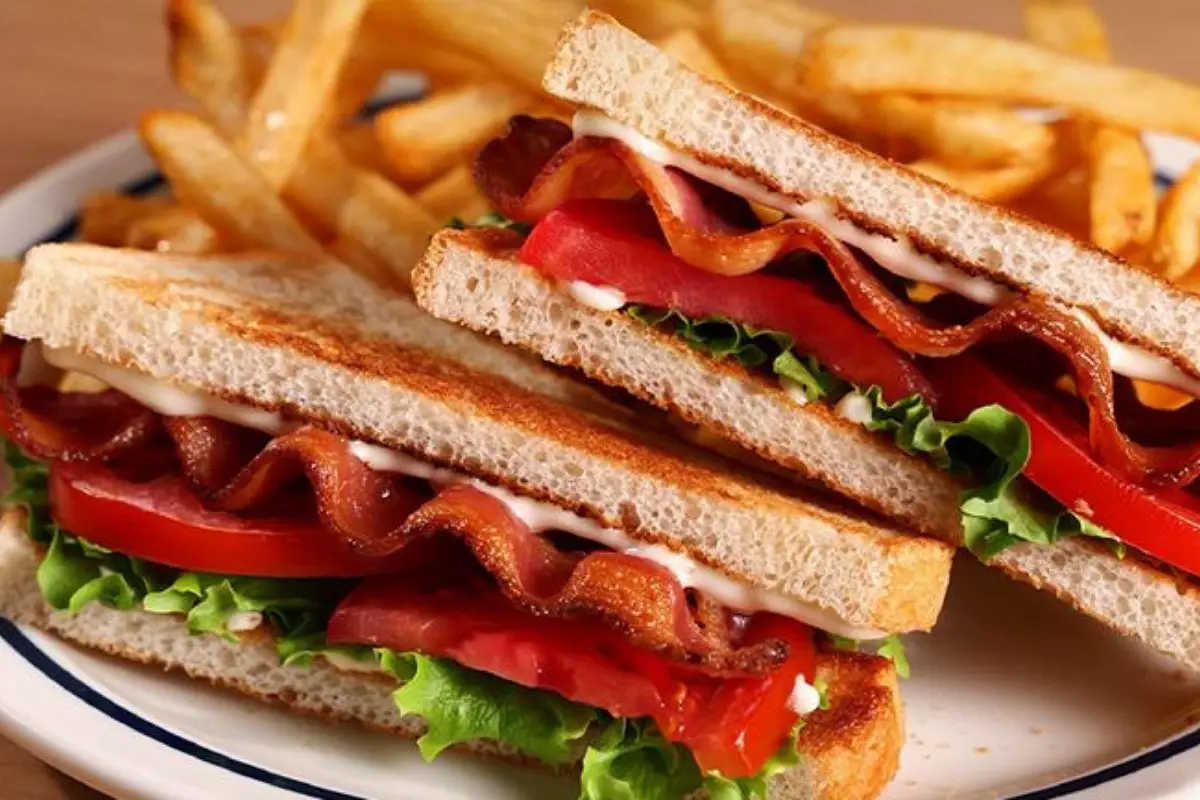
IHOP Files Trademark for New BLTAF Menu Concept Featuring Bacon, Lettuce, Tomato and Fries
IHOP has filed a trademark for “BLTAF,” a new menu concept centered around bacon, lettuce, tomato, and fries, as part of its ongoing strategy to innovate its offerings and attract a broader customer base in 2026. The move highlights the brand’s focus on menu development and competitive positioning within the casual dining segment in the United States.
The trademark filing signals IHOP’s intent to potentially introduce a new product line or menu category that builds on familiar comfort food ingredients while adding a distinctive twist. By combining a classic BLT-style concept with fries, the brand appears to be targeting customers seeking indulgent and shareable dining options.
Expanding Menu Innovation Strategy
IHOP’s trademark application for BLTAF reflects a broader industry trend where restaurant brands are investing in menu innovation to drive traffic and maintain relevance. As consumer preferences evolve, operators are increasingly experimenting with new formats and combinations that offer both familiarity and novelty.
The introduction of a concept like BLTAF aligns with the growing demand for comfort food with a modern twist. By leveraging well-known ingredients such as bacon, lettuce, and tomato, IHOP is able to build on an established flavor profile while differentiating the offering through presentation and format.
This approach allows the brand to minimize risk while still introducing something new to its menu.
Trademark Filing and Brand Protection
Filing a trademark is a strategic step that enables IHOP to secure exclusive rights to the BLTAF name, preventing competitors from using similar branding. In the restaurant industry, trademarks play a crucial role in protecting intellectual property and maintaining brand identity.
The move suggests that IHOP sees potential long-term value in the concept, whether as a limited-time offering or a permanent addition to its menu. Trademark filings often precede product launches, providing an early indication of upcoming innovations.
Such actions also reflect the importance of branding in differentiating menu items in a crowded marketplace.
Targeting Changing Consumer Preferences
Consumers in 2026 are increasingly drawn to menu items that offer both indulgence and convenience. The combination of a sandwich-style concept with fries caters to this demand, providing a complete and satisfying meal option.
Additionally, shareable and customizable dishes are gaining popularity, particularly among younger demographics. Concepts like BLTAF can be adapted to different formats, including platters, sandwiches, or bowls, allowing for flexibility in menu design.
By aligning with these trends, IHOP aims to enhance its appeal across multiple customer segments.
Competitive Landscape in Casual Dining
The casual dining sector remains highly competitive, with brands लगातार introducing new menu items to capture consumer attention. IHOP’s move to trademark BLTAF positions it alongside other operators that are focusing on innovation as a key growth driver.
Menu differentiation is particularly important in a segment where customers have numerous options. Unique offerings can help drive foot traffic, increase average ticket size, and strengthen brand loyalty.
IHOP’s initiative reflects its efforts to stay competitive in an evolving market environment.
Potential Formats and Applications
While details of the BLTAF concept have not been fully disclosed, the trademark opens the possibility for multiple applications. The concept could be introduced as a standalone dish, a menu category, or even a promotional campaign.
Restaurants often use trademarked items to anchor limited-time offers or seasonal menus, creating a sense of urgency and exclusivity. Alternatively, successful concepts may be integrated into the permanent menu lineup.
The versatility of the BLTAF idea provides IHOP with several strategic options for rollout and marketing.
Marketing and Customer Engagement
The introduction of a new concept like BLTAF also presents opportunities for targeted marketing and customer engagement. Social media campaigns, influencer partnerships, and in-store promotions can be used to generate interest and drive trial.
Visually appealing and easily shareable menu items are particularly effective in digital marketing, where presentation plays a key role in attracting attention. The combination of familiar ingredients and a unique name can enhance the concept’s appeal.
Effective marketing will be essential in maximizing the impact of the new offering.
Operational Considerations
Implementing a new menu concept requires careful planning, including ingredient sourcing, staff training, and kitchen workflow adjustments. IHOP will need to ensure that the introduction of BLTAF does not disrupt existing operations while maintaining consistency and quality.
Efficiency in preparation and service will be critical, particularly if the concept is rolled out across multiple locations. Balancing innovation with operational feasibility is a key challenge for restaurant operators.
Successful execution will depend on the brand’s ability to integrate the new offering seamlessly into its existing framework.
Industry Trends Supporting Innovation
The restaurant industry continues to emphasize innovation as a means of driving growth and adapting to changing consumer expectations. Brands are increasingly exploring new menu formats, flavor combinations, and dining experiences to remain competitive.
Comfort food concepts with a creative twist are particularly popular, as they combine familiarity with excitement. IHOP’s BLTAF concept fits within this trend, offering a modern take on a classic combination.
Such innovations are likely to play a significant role in shaping the future of casual dining.
Future Outlook
Looking ahead, IHOP’s trademark filing for BLTAF may signal further experimentation and expansion in its menu strategy. The success of the concept will depend on customer response, execution, and marketing effectiveness.
If well received, the concept could be expanded or adapted to other markets, contributing to the brand’s overall growth. Continued innovation will be essential for maintaining relevance in a competitive industry.
The move underscores IHOP’s commitment to evolving its offerings and meeting the demands of modern consumers.
Conclusion
IHOP’s trademark filing for BLTAF highlights its focus on menu innovation and brand differentiation, as the company explores new concepts to strengthen its position in the casual dining market in 2026.